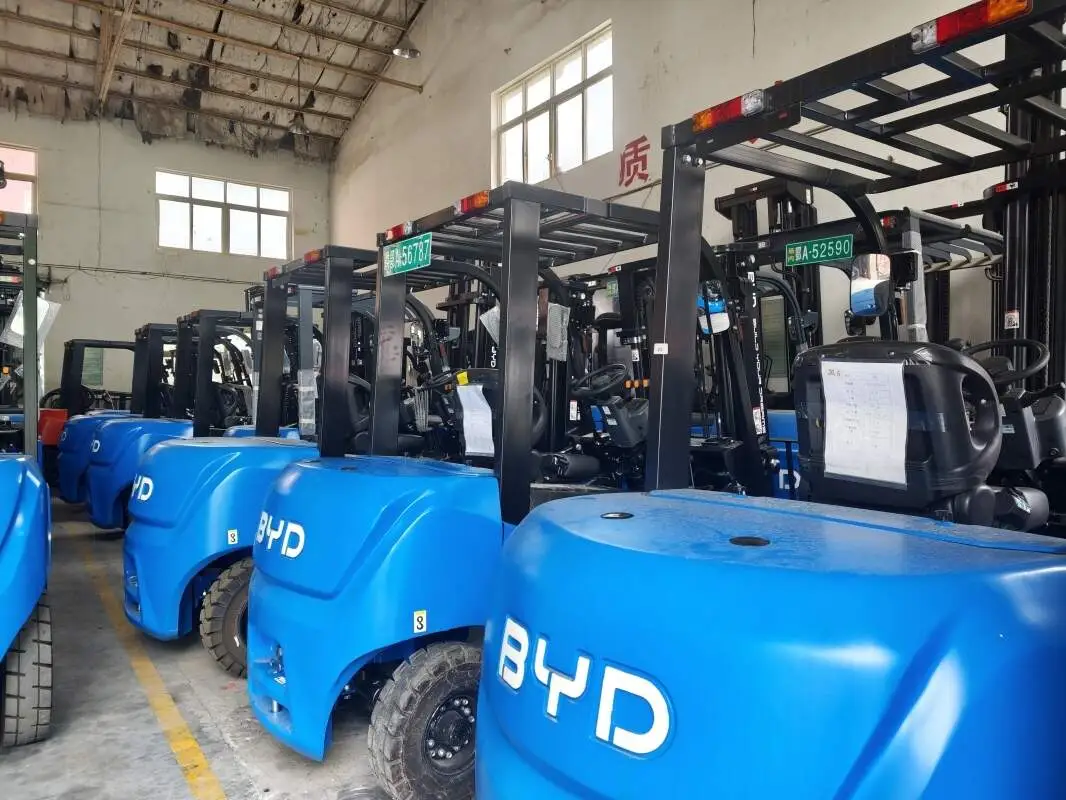
Industrial electric forklifts are essential workhorses in warehouses, distribution centers, and manufacturing facilities, but when alarm codes illuminate on the control panel, they can signal potential issues that disrupt operations and compromise safety. Understanding these codes is crucial for minimizing downtime and keeping your forklift operating efficiently. Below, we break down common alarm codes, their root causes, and step-by-step troubleshooting methods to resolve them.
Low Battery Voltage Alarm is one of the most frequent alerts. It activates when the forklift’s battery charge falls below a safe operational level. Causes may include extended use without charging, a malfunctioning charger, or aging battery cells. To troubleshoot, first check the battery indicator to confirm the charge level. If low, connect the forklift to a compatible charger and allow it to charge fully. If the alarm persists after charging, inspect the battery terminals for corrosion or loose connections—clean terminals with a wire brush and tighten connections if needed. If issues continue, the battery may require replacement.
Motor Overheating Alarm warns of excessive heat in the electric motor, which can lead to irreversible damage if not addressed promptly. Common triggers include transporting heavy loads over long distances, blocked cooling vents, or a faulty temperature sensor. Immediately stop the forklift and turn off the power to let the motor cool down. Once cooled, inspect the cooling vents for dust, debris, or obstructions and clean them thoroughly. If the alarm recurs, check the temperature sensor for proper calibration; a faulty sensor should be replaced to prevent false alarms or missed overheating issues.
Hydraulic System Malfunction Alarm indicates problems with the forklift’s lifting, tilting, or lowering functions. Potential causes include low hydraulic fluid levels, a clogged filter, or leaks in hydraulic lines. Start by checking the hydraulic fluid reservoir and top it up with the manufacturer-recommended fluid if low. Next, inspect the hydraulic filter for debris and replace it if necessary. Finally, examine all hydraulic lines and connections for signs of leaks; tighten loose fittings or repair damaged lines to restore proper function.
Brake System Fault Alarm is a critical safety alert, as faulty brakes pose significant risks. This alarm may activate due to worn brake pads, low brake fluid, or a malfunctioning brake sensor. Begin by inspecting the brake pads—replace them if they are below the minimum thickness specified by the manufacturer. Check the brake fluid level and add fluid if needed, ensuring it matches the required type. If the alarm remains, test the brake sensor to verify its functionality; a faulty sensor should be replaced promptly to maintain safe braking performance.
While basic troubleshooting can resolve many common alarm codes, complex issues may require professional assistance. Jianshu New Energy specializes in BYD electric forklifts, offering comprehensive maintenance, repair, and troubleshooting services. If you encounter persistent alarm codes or need guidance on preventive care, reach out to us at 17399989919@163.com for reliable support. Regular preventive maintenance, including battery checks, motor inspections, and fluid level monitoring, can also help prevent alarm codes from triggering, extending the lifespan of your industrial electric forklift.