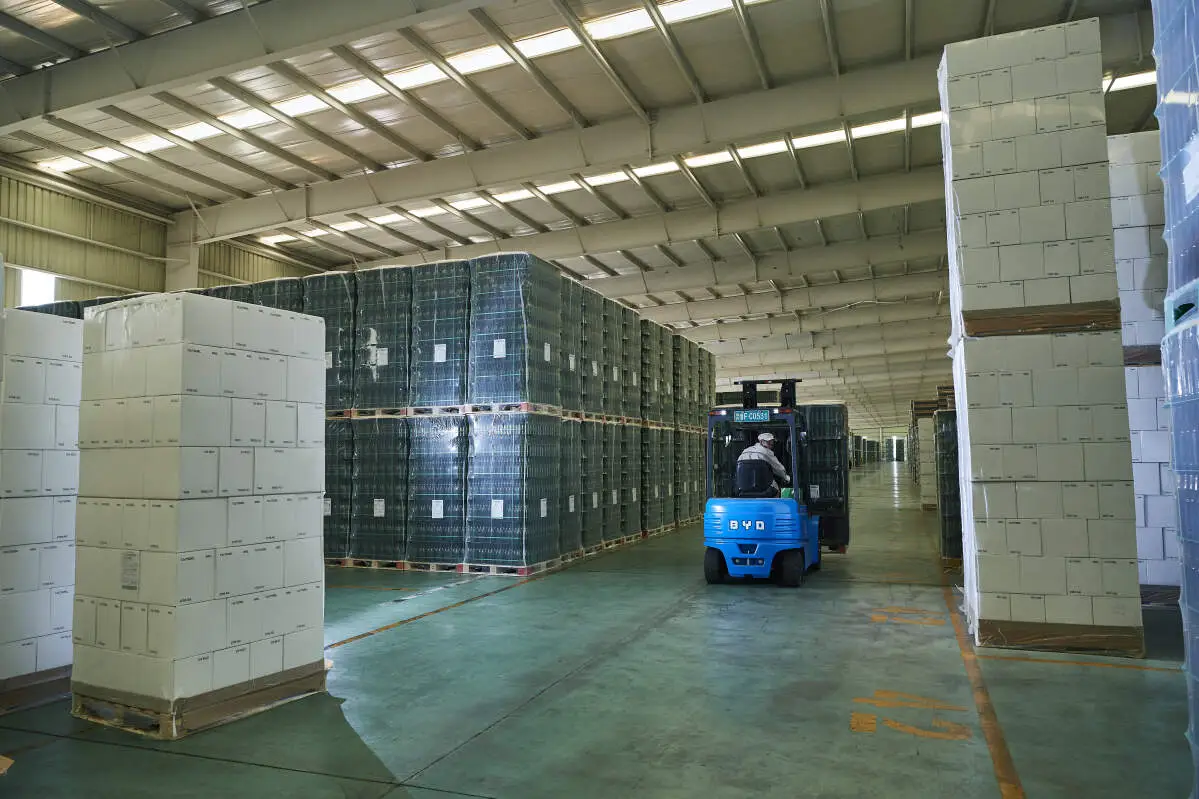
When evaluating material handling equipment options, many businesses consider converting existing internal combustion (IC) forklifts to electric power as a cost-saving alternative to investing in new electric forklifts. However, understanding the performance differences between converted units and purpose-built electric forklifts is critical to making an informed decision.
The core performance gap begins with the power source. Purpose-built electric forklifts are engineered from the ground up to integrate electric motors, batteries, and control systems seamlessly. This integrated design ensures consistent power delivery across all operational speeds, with instant torque that enhances acceleration and load handling capabilities. In contrast, converted IC forklifts often rely on retrofitted electric components that may not align perfectly with the original chassis and weight distribution. This misalignment can lead to inconsistent power output, particularly when lifting heavy loads or operating on uneven terrain, potentially reducing overall productivity.
Energy efficiency is another key area of distinction. Dedicated electric forklifts utilize advanced battery management systems (BMS) that optimize charging cycles and power usage, minimizing energy waste. They typically offer longer operational runtimes on a single charge, especially when paired with high-capacity batteries designed specifically for forklift use. Converted forklifts, on the other hand, often use generic battery systems that may not be tailored to the vehicle’s power demands. This can result in shorter runtimes and more frequent charging, increasing downtime and operational costs over time. Additionally, the original IC forklift’s mechanical components, such as transmission systems, may not be optimized for electric power, leading to higher energy loss during operation.
Maintenance requirements and reliability also differ significantly. Purpose-built electric forklifts have fewer moving parts compared to IC models, reducing the need for regular maintenance like oil changes, filter replacements, and tune-ups. Their electric components are designed for continuous use in material handling environments, with robust construction that resists wear and tear. Converted forklifts, however, retain many of the original IC components that are no longer in use, adding unnecessary weight and potential points of failure. The retrofitted electric parts may also lack the same level of durability as those in purpose-built units, leading to more frequent repairs and longer downtime.
Over the long term, the performance differences translate to tangible cost implications. While converting an IC forklift may have a lower upfront cost, the reduced efficiency, higher maintenance needs, and shorter lifespan of converted units can lead to higher total cost of ownership (TCO) compared to purpose-built electric forklifts. Businesses that prioritize consistent performance, minimal downtime, and long-term cost savings often find that investing in a dedicated electric forklift is a more viable solution.
If you’re exploring reliable electric forklift options for your material handling needs, Jianshu New Energy specializes in BYD electric forklifts, delivering high-performance, tailored solutions to support your operations. For more details, reach out to us at 17399989919@163.com.