


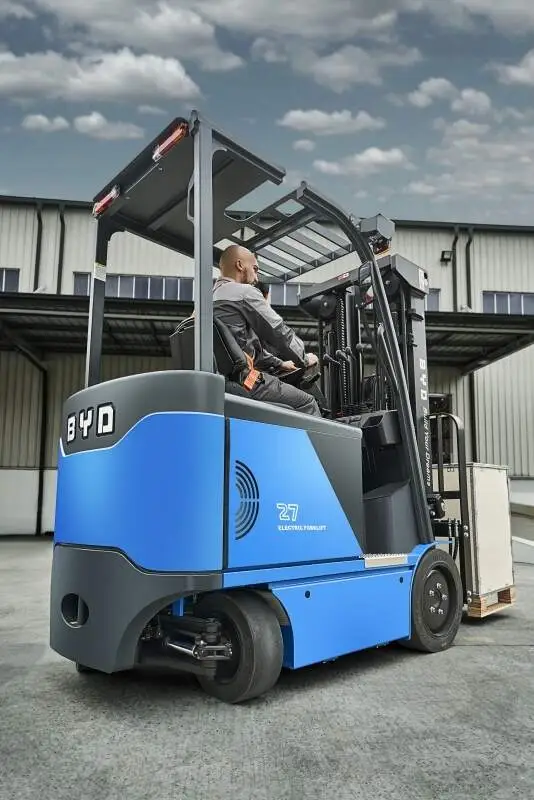
In the complex environment of multi-channel and multi-node operation in the factory, the route planning of AGV directly affects the efficiency and stability of logistics operation. Reasonable planning can effectively avoid congestion, reduce energy consumption, and improve the overall operation rhythm.
Preliminary route survey and environmental analysis
Field environmental data collection
Before planning the route, it is necessary to collect comprehensive environmental data in the factory area, including the width of each channel, the turning radius, the location and size of fixed obstacles, and the distribution law of the temporary operation area. At the same time, record the personal flow and material transportation frequency at different times to provide a real basis for subsequent route design.
Homework requirements sorting
Combined with the material transportation requirements of the factory area, the functional positioning of each operation node is sorted out, such as the transportation frequency and load requirements between the storage area, production workshop, and unloading area, and the peak flow during peak hours is clarified, which is used as the basis for route priority setting.
Core route planning strategy
multipath redundancy design
For the core operation channel, design at least two alternative routes. When the main route is impassable due to temporary obstacles, congestion, etc., the AGV can automatically switch to the alternative route to ensure that the transportation task is not interrupted. At the same time, ensure that the traffic conditions of the alternative route meet the operating requirements of the AGV to avoid problems such as too narrow turns and excessive slopes.
node prioritization
According to the urgency of the job requirements, each node is prioritized. For example, the priority of the material supply node in the production workshop is higher than that of the transit node in the storage area. During route planning, priority is given to ensuring the smooth passage of high-priority nodes to avoid delays in key operation links.
dynamic obstacle avoidance logic embedding
Embedded in the route planning, real-time dynamic obstacle avoidance logic, combined with the sensor data carried by the AGV, can automatically adjust the driving path when a temporary obstacle or person is detected in front, or wait in a safe area, and resume the original route after the obstacle is cleared.
Practical operation debugging and optimization
Simulation practice run
With the help of dedicated simulation software, the collected plant environment data is imported, and the route practice run in the virtual scene is carried out to test the running smoothness, obstacle avoidance response speed, and the rationality of the route switch of the AGV under different working conditions. Adjust the route parameters according to the test results.
Field measurement and fine-tuning
After the simulation test is completed, the on-site measurement is carried out, and the AGV is arranged to perform transportation tasks according to the planned route. The problems such as cards and unreasonable routes in actual operation are recorded, and the route is partially fine-tuned, such as adjusting the docking position of the node and optimizing the turning angle.
Daily maintenance and updates
When the factory layout or operation requirements change, it is necessary to update and adjust the AGV route in a timely manner, and regularly check the adaptability of the route to ensure that the AGV can always complete transportation tasks efficiently and maintain the stable operation of the factory logistics.

