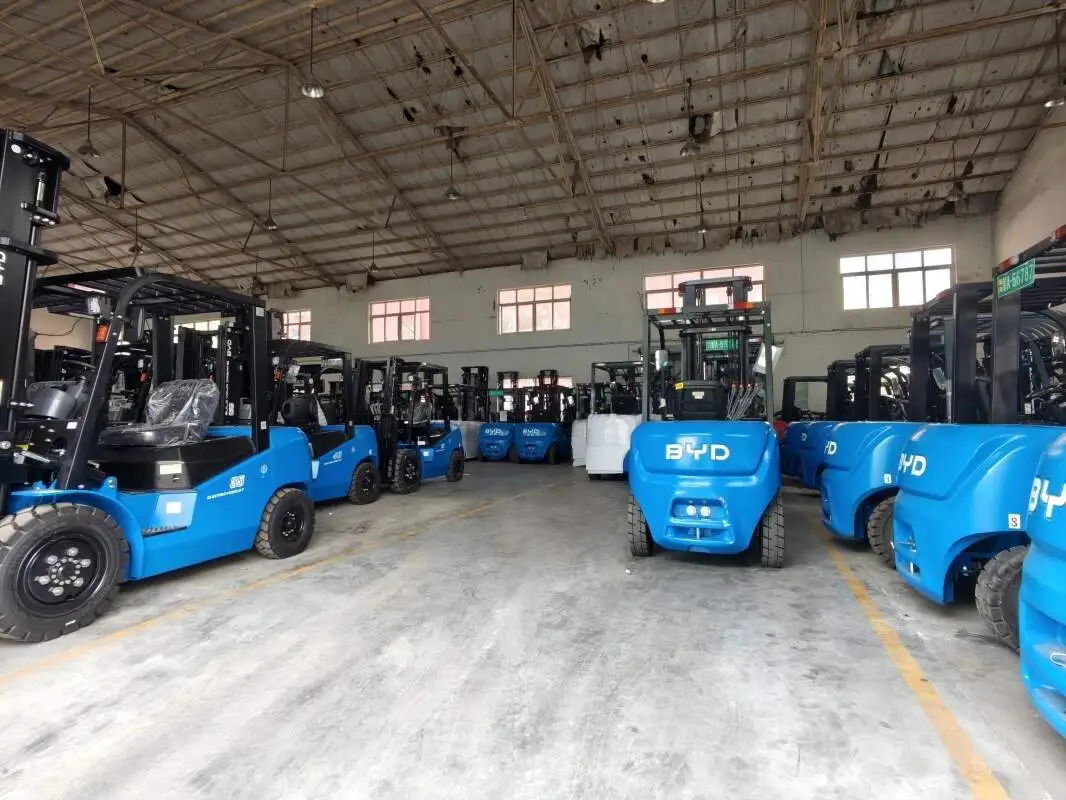
electric forklifts have become a staple in warehouses and industrial settings, thanks to their efficiency and eco-friendliness. At the heart of their performance lies the battery, whose lifespan directly impacts operational costs and productivity. A well-planned maintenance schedule is key to extending this lifespan, ensuring consistent performance and reducing unplanned downtime.
Start each shift with a quick visual inspection of the battery. Look for signs of corrosion on terminals, loose connections, or any physical damage to the battery casing. Wipe away any dirt or debris that may have accumulated, as these can hinder proper charging or cause short circuits. For flooded batteries, check the electrolyte level to ensure it sits between the minimum and maximum markers; top up with distilled water if needed, avoiding overfilling which can lead to electrolyte spillage during charging.
Follow a consistent charging routine to avoid overcharging or undercharging, both of which can shorten battery lifespan. Charge the battery only when it reaches a recommended state of discharge (typically around 20-30% remaining capacity) rather than topping up frequently. Use a charger matched to the battery type, and ensure the charging area is well-ventilated to dissipate heat generated during the process. Once charging is complete, disconnect the charger promptly to prevent overcharging, which can degrade battery cells over time. Avoid charging the battery immediately after heavy use; allow it to cool down for 30 to 60 minutes to maintain cell integrity.
Every 30 to 90 days, depending on usage intensity, perform a more thorough maintenance check. Clean battery terminals with a mixture of baking soda and water to remove corrosion, then rinse with clean water and dry completely to prevent further buildup. Inspect the battery cables for fraying or damage, replacing them if necessary. For flooded batteries, equalize the charge periodically to ensure all cells are balanced, which helps prevent uneven degradation. Consult the battery’s manual for specific equalization procedures to avoid causing harm.
If the forklift will be out of use for an extended period, prepare the battery properly for storage. Charge it to around 80% capacity, then disconnect it from the forklift. Store the battery in a cool, dry area with stable temperatures (between 10°C and 25°C), avoiding extreme heat or cold which can damage cells. Check the battery’s charge level every month, topping it up if it drops below 70% to prevent sulfation, a common issue that reduces battery capacity over time.
By adhering to this reasonable maintenance schedule, you can significantly extend your electric forklift battery’s lifespan, reducing replacement costs and ensuring reliable performance for years to come. If you’re in need of high-quality electric forklifts or professional guidance on battery maintenance, reach out to Jianshu New Energy, a specialist in BYD electric forklifts. You can contact us via email at 17399989919@163.com for more information.