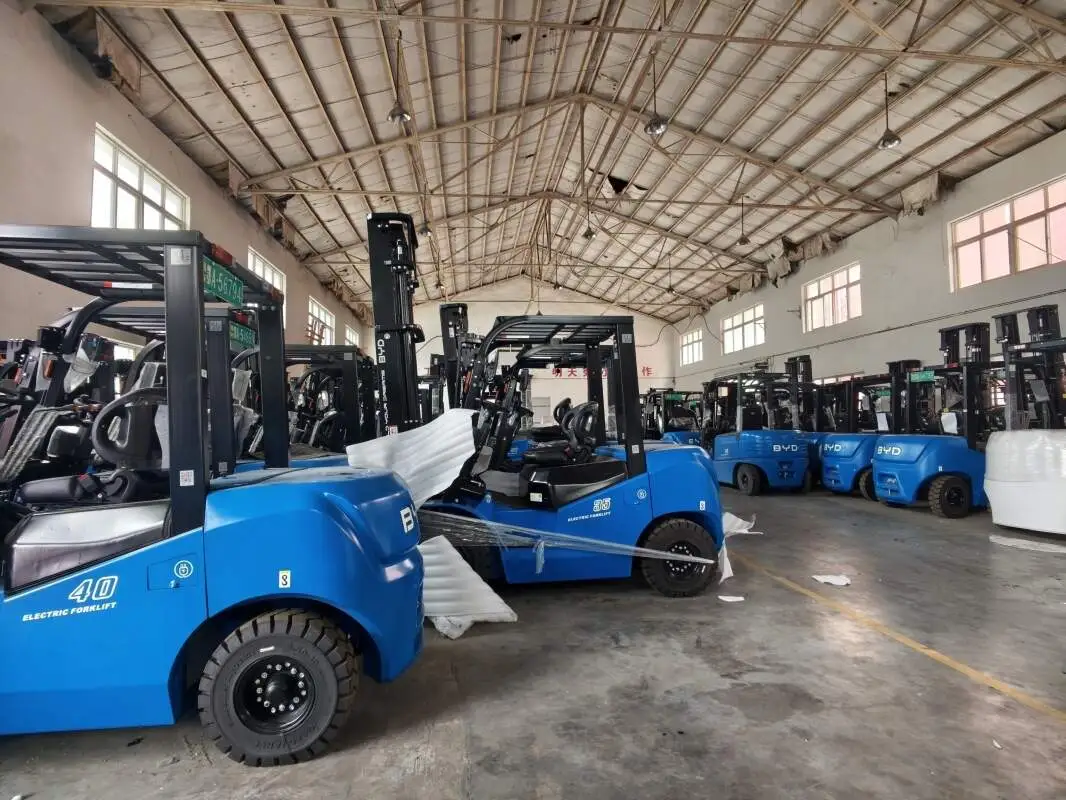
When it comes to material handling operations, electric forklifts are indispensable tools, but improper use or oversight can lead to preventable incidents. Analyzing past electric forklift incident cases provides invaluable insights to refine safety protocols and protect both personnel and assets. As an electric forklift expert, I’ve compiled key safety improvement measures based on real-world incidents to help organizations elevate their operational safety standards.
Enhance Operator Training Programs
Many incidents stem from insufficient operator training. For example, a case where an operator failed to recognize a wet floor surface led to a forklift skidding and colliding with a storage rack. This highlights the need for comprehensive training that goes beyond basic operation. Training should include hazard identification, such as detecting slippery floors or low overhead clearances, as well as proper load handling techniques and emergency stop procedures. Regular refresher courses are also critical, as skills can fade over time and new safety guidelines may be introduced.
Implement Proactive Equipment Maintenance
A common cause of incidents is neglected equipment maintenance. In one incident, a faulty brake system resulted in a forklift failing to stop in time, causing a collision with a pedestrian. To address this, organizations should establish a scheduled maintenance plan that includes daily pre-operation checks by operators and periodic professional inspections. Key areas to focus on include brake systems, battery health, steering mechanisms, and load stability features. Ensuring all components are in optimal working condition reduces the risk of mechanical failures leading to accidents.
Optimize Worksite Environment and Signage
Poorly organized workspaces often contribute to electric forklift incidents. A case involving a forklift hitting an unmarked obstacle underscores the importance of clear signage and well-structured work areas. Organizations should mark pedestrian walkways, forklift travel lanes, and hazard zones with high-visibility signs. Additionally, maintaining clear sightlines by keeping storage racks properly arranged and removing clutter can prevent collisions. Regular site audits to identify and address environmental hazards, such as uneven floors or blocked pathways, are essential to creating a safe operating environment.
Strengthen Emergency Response Protocols
Even with preventive measures, incidents can occur, so having robust emergency response protocols is vital. A past incident where delayed response to a battery leak led to unnecessary environmental damage shows the need for well-defined procedures. Organizations should train staff on how to handle common emergencies, including battery fires, spills, and collision injuries. Having readily accessible emergency kits, fire extinguishers, and clear communication channels ensures that any incident is managed quickly and effectively, minimizing harm and downtime.
At Jianshu New Energy, we specialize in BYD electric forklifts, which are designed with multiple safety features to support these improvement measures. Our commitment to safety extends beyond providing reliable equipment—we also offer guidance on implementing effective safety protocols tailored to your operations. For more information, please contact us at 17399989919@163.com. By learning from past incidents and implementing these targeted safety measures, organizations can significantly reduce the risk of electric forklift accidents and create a safer workplace for everyone.