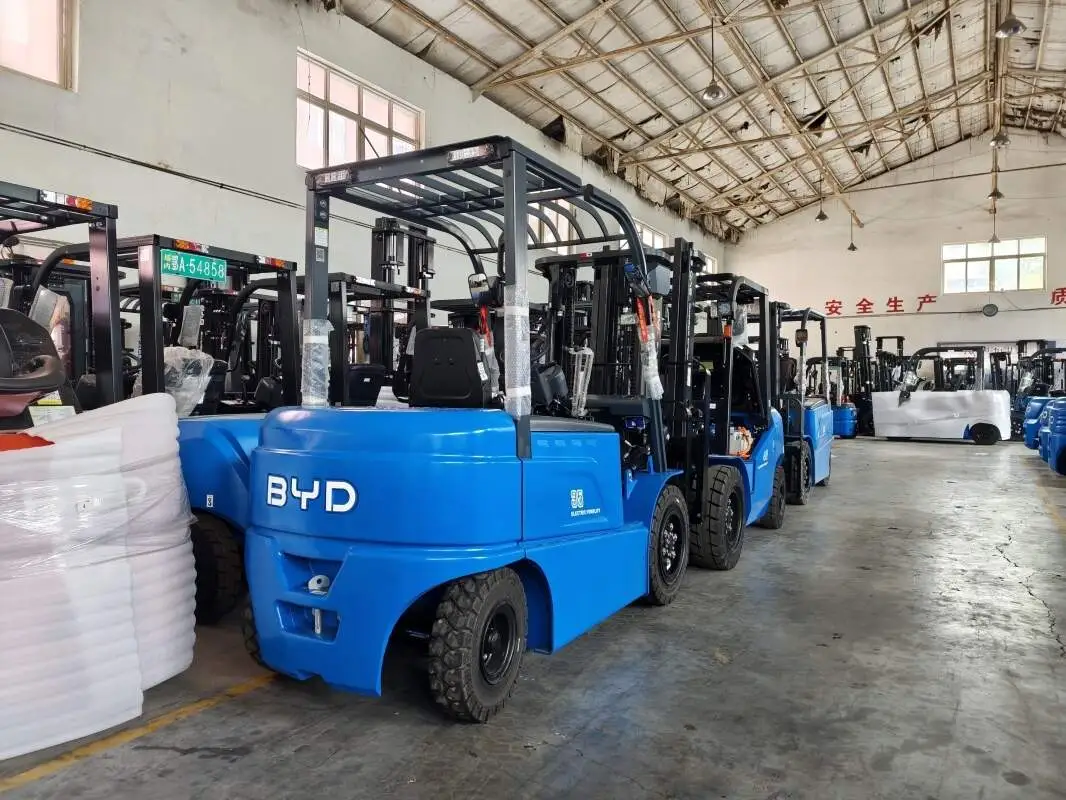
Losing the original key to your electric forklift can bring daily operations to a grinding halt, resulting in costly downtime and workflow disruptions. For warehouse managers, logistics teams, and forklift operators, addressing this issue promptly is critical to maintaining productivity. As an electric forklift expert, let’s break down the most effective, quick solutions for replacing lost original equipment keys, along with preventive strategies to avoid future mishaps.
Immediate Steps to Take When You Lose Your Forklift Key
Before jumping into replacement options, it’s important to follow a few immediate steps to minimize disruption and ensure safety. First, secure the forklift to prevent unauthorized access or accidental movement—engage the parking brake, lower the forks to the ground, and disconnect the power source if applicable. Next, conduct a thorough search of the area where you last used the forklift: check pockets, toolboxes, workstations, and any nearby storage areas. Sometimes keys are misplaced rather than lost, so a systematic search can save time and money.
If the key isn’t found, notify your facility’s management or maintenance team right away. They may have a record of duplicate keys or access to approved service providers. It’s also important to document the loss for security purposes, especially in shared work environments where multiple operators use the same equipment.
Quick Replacement Solutions for Lost Forklift Keys
When a thorough search doesn’t yield the original key, you have several reliable replacement options to get your forklift back in operation quickly.
#1. Use an Existing Duplicate Key
Many facilities keep at least one duplicate forklift key on hand for emergencies. If your organization has a key management system, check designated storage locations such as a locked cabinet in the maintenance office or a secure key box. Using a pre-made duplicate is the fastest and most cost-effective solution, as it requires no additional processing or programming.
#2. Consult a Professional Forklift Locksmith
Professional locksmiths with experience in industrial equipment can create replacement keys for most forklift models. These experts have the tools and knowledge to decode the lock cylinder or create a key based on the forklift’s serial number. Before hiring a locksmith, verify that they have experience working with electric forklifts and can provide reliable, timely service. Most locksmiths can respond on-site, reducing downtime significantly.
#3. Order an OEM Replacement Key
For forklifts with specialized keys or electronic ignition systems, ordering a replacement directly from the original equipment manufacturer may be necessary. To do this, you’ll need to provide the forklift’s serial number, model number, and proof of ownership to ensure security. While OEM keys are designed to match the equipment perfectly, they may take longer to arrive than a locksmith-created key, so this is best suited for non-urgent situations or when other options aren’t available.
#4. Program Electronic Forklift Keys
Modern electric forklifts often use electronic keys with transponder chips that communicate with the vehicle’s ignition system. If you lose this type of key, a replacement will need to be programmed to sync with the forklift’s onboard computer. This can be done by a trained technician from the OEM or a specialized industrial equipment service provider. Programming ensures that only authorized keys can start the forklift, adding an extra layer of security to your operations.
Preventive Measures to Avoid Future Key Loss
Taking proactive steps to prevent key loss can save your team time, money, and frustration in the long run. Here are some effective strategies:
#1. Create Multiple Duplicate Keys
Make at least two duplicate keys for each forklift and store them in separate, secure locations. One duplicate can be kept in the maintenance office, while another might be with a designated supervisor or manager. Avoid storing all keys in the same place, as this defeats the purpose of having backups.
#2. Implement a Key Management System
Establish a formal key management policy for your facility. This can include signing keys in and out when they’re used, keeping a log of who has each key, and conducting regular audits to ensure all keys are accounted for. Digital key management systems, such as electronic key boxes with access codes, can add an extra level of security and accountability.
#3. Train Operators on Key Care
Educate forklift operators on the importance of proper key handling. Encourage them to keep keys in a dedicated, secure pocket or lanyard instead of leaving them on the forklift or in easily accessible areas. Remind operators to report lost or misplaced keys immediately to prevent security risks or operational delays.
#4. Consider Keyless Entry Systems
For facilities with multiple forklifts or high turnover of operators, keyless entry systems can be a valuable investment. These systems use access codes, key fobs, or biometric authentication to start the forklift, eliminating the need for physical keys altogether. While this requires an upfront investment, it can reduce the risk of key loss and improve overall security.
Conclusion
Losing an original forklift key doesn’t have to result in prolonged downtime. By taking immediate steps to secure the equipment and exploring quick replacement options—from using a pre-made duplicate to working with a professional locksmith or OEM—you can get your forklift back in operation quickly. Additionally, implementing preventive measures such as key management systems and operator training can help avoid future key loss and keep your logistics operations running smoothly. As an electric forklift expert, prioritizing key security and preparedness is a simple yet effective way to maintain productivity and minimize operational disruptions.