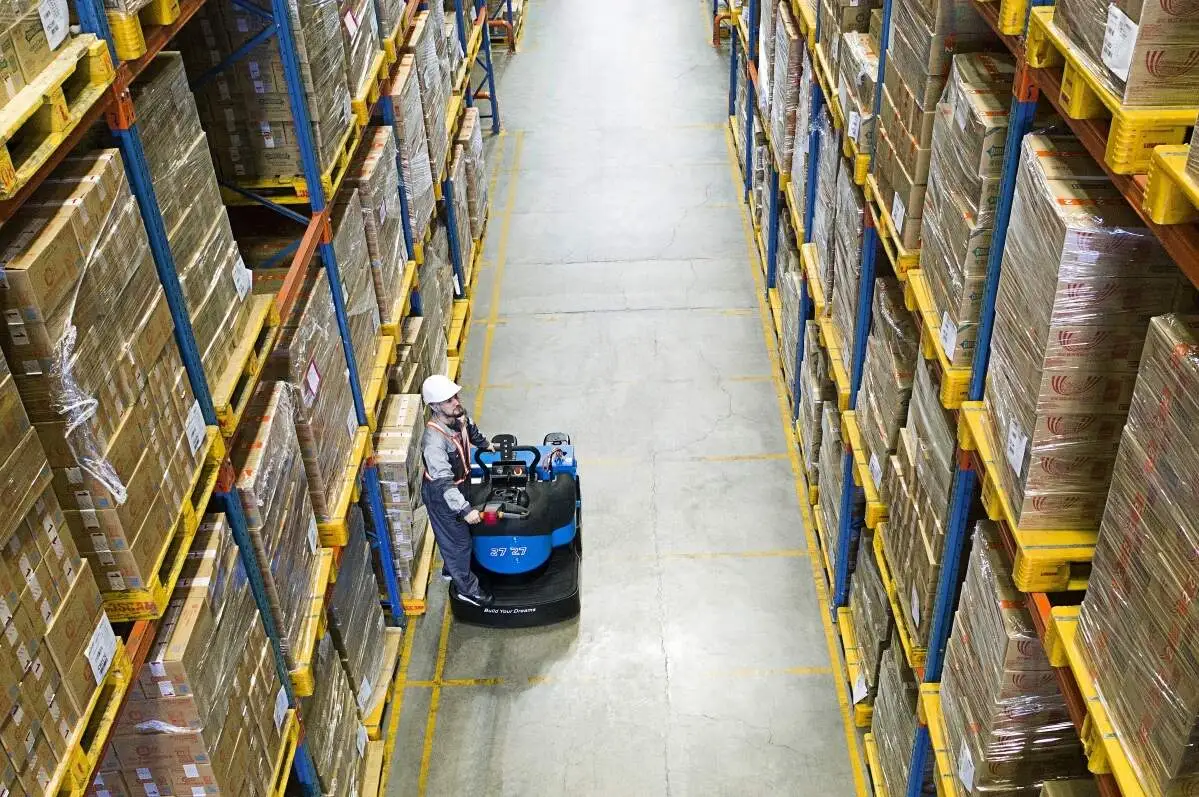
In busy warehouses, distribution centers, and logistics facilities, long-hour light load operations—such as picking, sorting, and moving small palletized goods—are a daily staple. For operators who spend 6 to 8 hours or more standing on a forklift each shift, physical fatigue, muscle strain, and reduced focus become significant challenges. This is where ergonomic design in stand-up electric forklifts plays a critical role, addressing these issues while enhancing productivity and safety.
The foundation of ergonomic comfort for stand-up forklift operators lies in the standing platform. Unlike traditional sit-down models, stand-up forklifts require operators to remain upright throughout most tasks, so the platform must be engineered to distribute body weight evenly and reduce pressure on the feet and legs. Many designs incorporate shock-absorbent rubber matting that cushions the impact of uneven warehouse floors, minimizing vibration transfer to the operator’s lower body. Additionally, adjustable footrests allow operators to shift their stance, relieving tension on specific muscles and preventing static load fatigue. Non-slip surfaces ensure stable footing even during quick turns or sudden stops, adding an extra layer of safety while reducing the risk of accidental slips that could cause strain.
Intuitive control layout is another key ergonomic feature tailored for long-hour operations. Controls are positioned within easy reach, eliminating the need for operators to overstretch their arms or twist their bodies to access levers, buttons, or displays. The design prioritizes natural hand and wrist positions, with ergonomically shaped grip handles that reduce hand fatigue over extended periods. For example, lift and tilt controls are often integrated into the armrests, allowing operators to manipulate them without lifting their elbows or altering their standing posture. Clear, backlit displays provide essential information—such as battery level, load weight, and travel speed—at a glance, reducing the need for operators to squint or lean forward, which can strain the neck and eyes.
Enhanced visibility is not only a safety feature but also an ergonomic one. Stand-up electric forklifts are designed with narrow profiles and unobstructed lines of sight, enabling operators to see the load, surrounding obstacles, and pedestrian traffic without having to crane their necks or adjust their position frequently. Transparent overhead guards, when present, are made from high-strength materials that do not compromise visibility while protecting operators from falling objects. Some models also incorporate adjustable mirrors positioned to cover blind spots, further reducing the need for awkward head movements that can lead to neck and shoulder strain over time.
Vibration and noise reduction are often overlooked but crucial ergonomic elements. Electric forklifts already produce less noise than their internal combustion counterparts, but advanced designs go further by isolating the operator platform from the forklift’s drivetrain and wheels. Rubber mounts and dampening materials absorb vibration generated during travel and load handling, preventing it from reaching the operator’s body. Low-noise motors and hydraulic systems ensure that operators are not exposed to prolonged high-decibel levels, which can cause auditory fatigue and reduce concentration. A quieter working environment also allows operators to communicate more effectively with colleagues, reducing stress and improving overall workflow.
Auxiliary features further mitigate fatigue during long-hour shifts. Some stand-up forklifts include fold-down mini-seats that operators can use during brief breaks or when traveling longer distances across the warehouse, giving their legs a chance to rest. Built-in storage compartments for water bottles or small tools eliminate the need to bend down or reach awkwardly, reducing strain on the back and shoulders. Adjustable armrests provide support for the operator’s arms, preventing shoulder fatigue when holding controls for extended periods.
In conclusion, ergonomic design in stand-up electric forklifts is not just about comfort—it’s about protecting operator health, reducing the risk of work-related musculoskeletal disorders, and improving operational efficiency. By prioritizing features like supportive standing platforms, intuitive controls, enhanced visibility, and fatigue-reduction elements, these forklifts are tailored to meet the demands of long-hour light load operations. For facilities relying on continuous material handling, investing in ergonomically designed stand-up electric forklifts can lead to happier, healthier operators and more consistent, productive workflows.