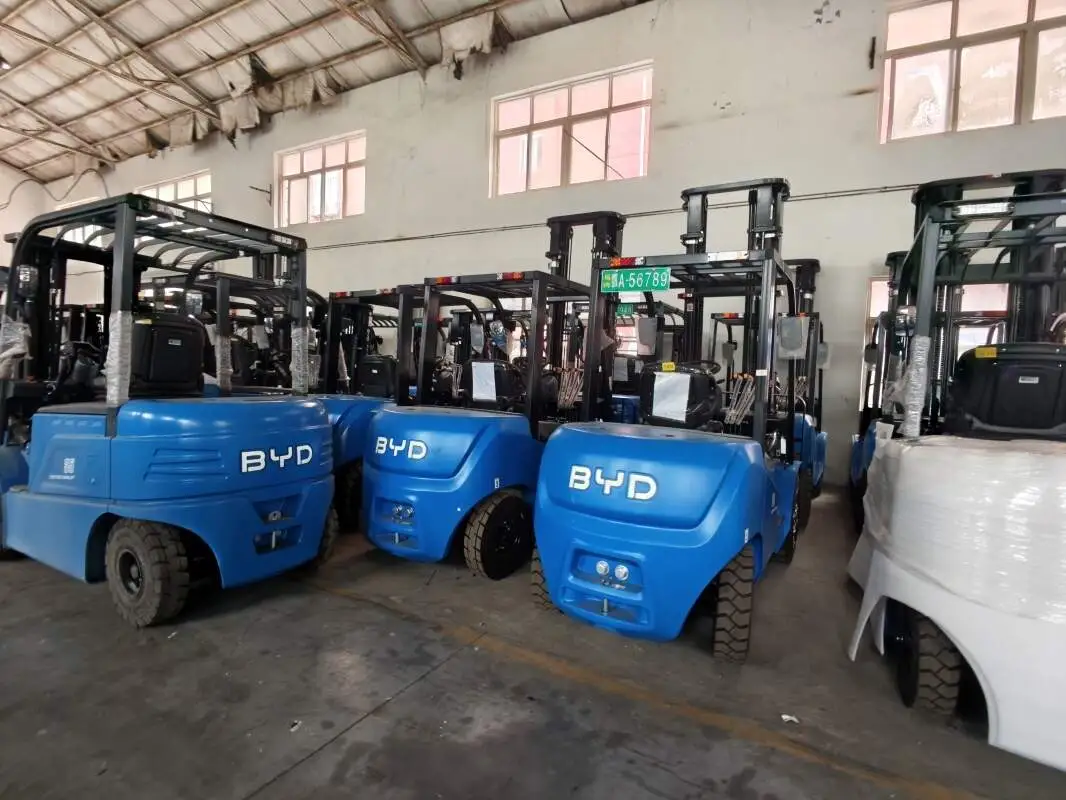
forklift rotators are critical attachments that enhance the versatility of electric forklifts, enabling efficient handling of various loads like barrels, crates, and pallets. However, improper control of rotation angles and disregard for load limits can lead to operational risks, equipment damage, and safety hazards. This guidance provides practical, compliance-focused insights to help operators use rotators safely and effectively on electric forklift units.
Rotation Angle Guidance
The safe rotation angle of a forklift rotator depends on multiple factors, including load type, forklift stability, and operational environment. For most electric forklifts, the standard maximum rotation range is typically 180 to 360 degrees, but operators must adjust based on real-time conditions. When carrying fully loaded attachments, it is recommended to limit rotation angles to 180 degrees or less to maintain forklift balance. Avoid rotating the rotator when the forklift is on an incline or uneven surface, as this increases the risk of tipping over. Additionally, ensure there is sufficient clearance around the forklift before initiating rotation to prevent collisions with surrounding objects or personnel.
Load Limit Management
Load limits for forklift rotators are not static; they vary with the rotation angle and the position of the load. As the rotator turns, the load’s center of gravity shifts, which can reduce the forklift’s safe lifting capacity. For example, when the rotator is at a 90-degree angle, the effective load limit may drop by 20% to 30% compared to when the load is in a straight, forward-facing position. Operators must refer to the electric forklift’s official operation manual to identify the load limit corresponding to each rotation angle. Overloading, even within the forklift’s base capacity, can strain the rotator’s hydraulic system and compromise the forklift’s structural integrity over time.
Operational Best Practices and Maintenance
To ensure long-term safe operation, operators should receive regular training on rotator usage, including angle control and load limit assessment. Conduct pre-operation checks to inspect the rotator’s hydraulic connections, locking mechanisms, and overall condition. If any abnormal sounds or movements are detected during operation, stop immediately and perform a thorough inspection. Periodic maintenance by qualified technicians helps keep the rotator in optimal condition, reducing the risk of unexpected failures.
Jianshu New Energy, a specialist in BYD electric forklifts, offers comprehensive support for forklift operators, including training sessions and operational guidance tailored to electric units. For more information or professional advice, you can reach out to us via email at 17399989919@163.com.