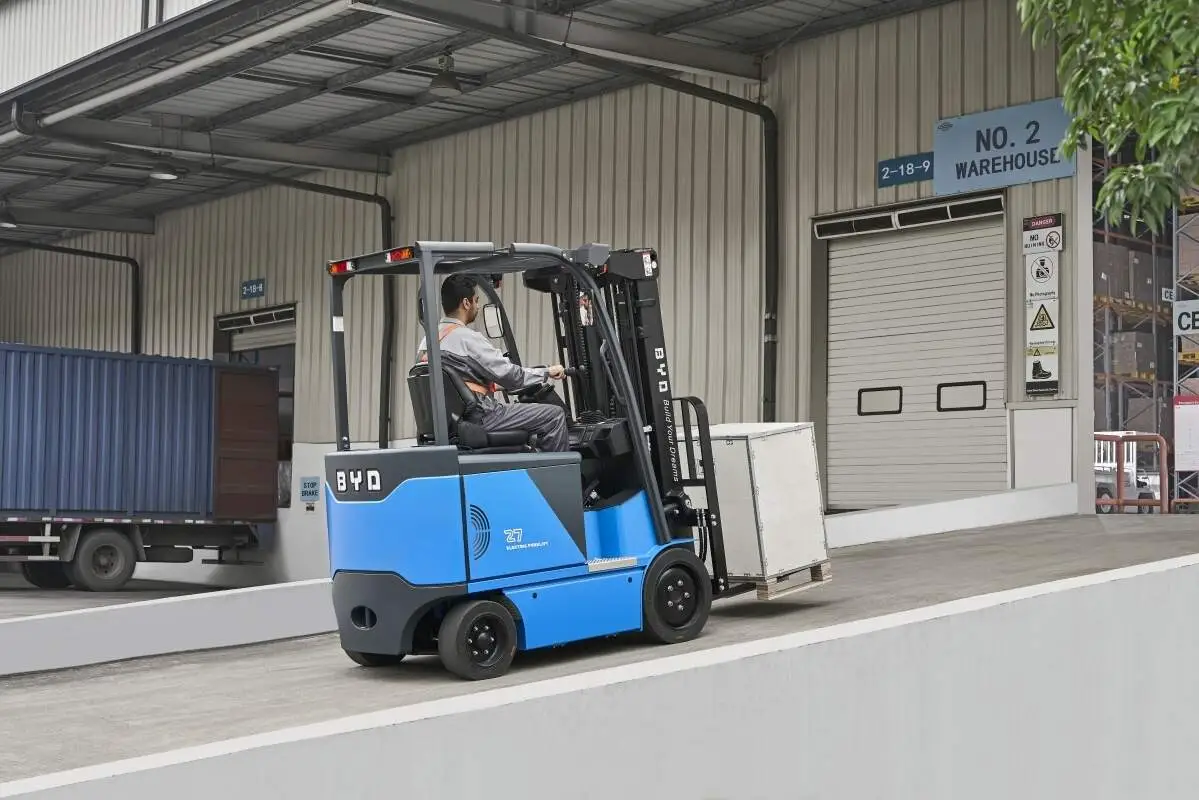
Barrel transfer is a common task in warehouses, manufacturing facilities, and logistics centers, and doing it safely is crucial to prevent workplace accidents and protect both personnel and goods. When paired with a drum lifter, electric forklifts offer an efficient and secure way to move heavy barrels. Below is a comprehensive step-by-step guide to ensure safe barrel transfer operations.
Pre-Operation Preparation
Before starting any transfer task, conduct a thorough inspection of both the electric forklift and the drum lifter. Check the forklift’s battery level, brakes, steering, and lifting mechanisms to ensure they are in good working condition. For the drum lifter, inspect for any signs of wear, cracks, or loose components. Additionally, assess the work area: clear away obstacles, ensure adequate lighting, and verify that the floor is flat and free of slip hazards. If you need a reliable electric forklift for such operations, Jianshu New Energy specializes in BYD electric forklifts; you can reach us at 17399989919@163.com for tailored solutions.
Properly Attach the Drum Lifter to the Electric Forklift
Position the electric forklift close to the drum lifter, aligning the forklift’s forks with the lifter’s mounting brackets. Slowly insert the forks into the designated slots until they are fully seated. Secure the lifter to the forks using the locking mechanisms provided to prevent any movement during operation. Double-check the connection to ensure it is tight and stable before proceeding.
Secure the Barrel to the Drum Lifter
Approach the barrel slowly, positioning the drum lifter’s clamping arms around the top edge of the barrel. Operate the lifter’s controls to tighten the arms firmly around the barrel, ensuring a secure grip. Avoid over-tightening, as this could damage the barrel. Confirm that the barrel is centered on the lifter and that there is no wobbling before initiating the lift.
Lift and Transport the Barrel
Once the barrel is securely clamped, use the forklift’s lifting controls to raise the barrel to a height just enough to clear the ground—typically 10 to 15 centimeters. Avoid lifting the barrel higher than necessary, as this increases the risk of instability. When transporting, drive the forklift at a slow, steady speed, maintaining a safe distance from obstacles and personnel. Avoid sudden stops, starts, or turns, which could cause the barrel to shift or fall.
Lower and Unload the Barrel
When reaching the desired location, position the barrel directly above the designated spot. Slowly lower the barrel until it rests gently on the ground. Operate the drum lifter’s controls to loosen the clamping arms, ensuring the barrel remains stable as you release it. Once the arms are fully retracted, carefully back the forklift away from the barrel, taking care not to bump it.
Post-Operation Tasks
After completing the transfer, inspect the drum lifter and electric forklift again for any signs of damage or wear. Clean any debris from the equipment and return it to its designated storage area. Document the operation if required by your workplace’s safety protocols, noting any issues encountered during the process.
Following these step-by-step procedures ensures that barrel transfer operations using a drum lifter on an electric forklift are carried out safely and efficiently. Prioritizing regular equipment inspections and adhering to safe handling practices minimizes the risk of accidents and protects your workforce and assets. For high-quality BYD electric forklifts suitable for such tasks, contact Jianshu New Energy at 17399989919@163.com to learn more about our offerings.