Makitid na channel warehouse handling, electric at fuel forklift practical performance comparison

2026-06-30

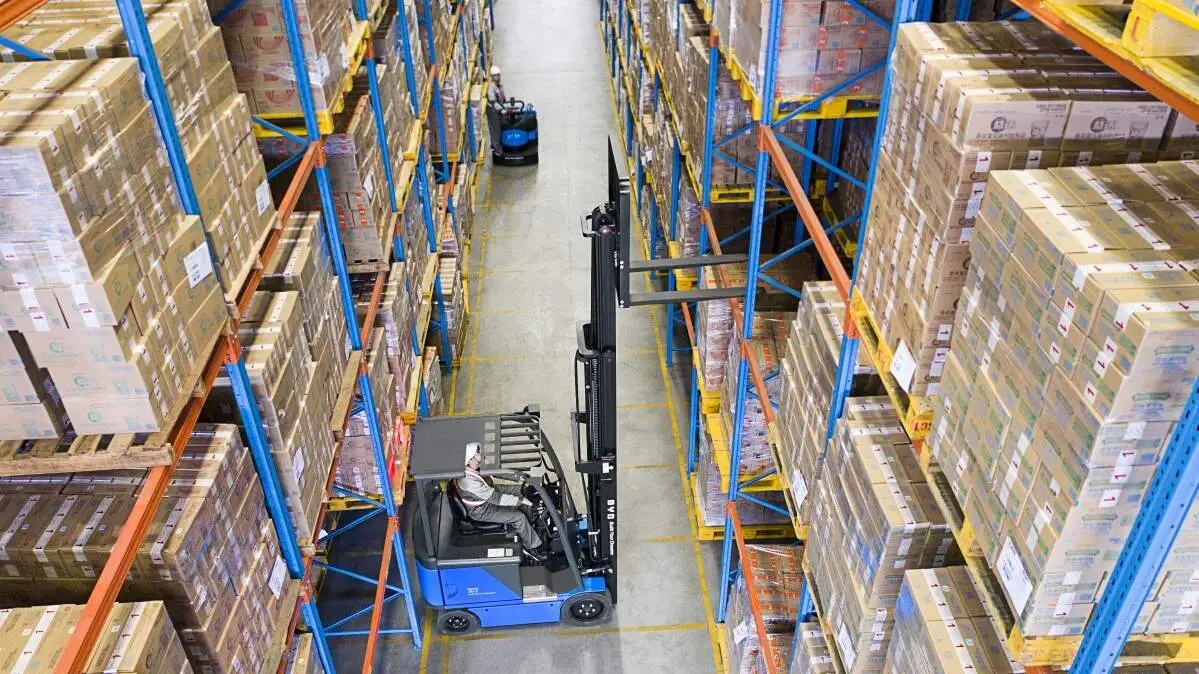
Makitid na channel warehouse handling, electric at fuel forklift practical performance comparison(larawan1)

Sa ngayon, ang mga bodega ng makitid na channel ay naging pagpipilian ng maraming kumpanya ng imbakan dahil maaari nilang i-maximize ang paggamit ng espasyo sa imbakan. Sa ganitong mga sitwasyon, ang aktwal na pagganap ng paghawak ng kagamitan ay direktang nakakaapekto sa kahusayan at gastos sa pagpapatakbo. Ang mga electric forklift at fuel forklift ay ang mga pangunahing opsyon, bawat isa ay may sariling mga pakinabang at disadvantages.

Paghahambing ng kakayahang umangkop sa espasyo

Mga kalamangan ng makitid na channel adaptation para sa mga electric forklift

Ang lapad ng daanan ng makitid na channel warehouse ay karaniwang 2-3 metro. Ang electric forklift ay may compact na katawan at mas maliit na radius ng pagliko. Maaari nitong kumpletuhin ang mga operasyon tulad ng in-situ steering at right-angle na pagliko sa isang makitid na espasyo nang walang labis na kalabisan espasyo, at maaaring ganap na magamit ang lugar ng imbakan. Kasabay nito, ang taas ng katawan ay nakokontrol, at hindi madaling scratch ang istante kapag ito ay angkop para sa mataas na antas ng pag-access sa istante.

Mga limitasyon sa espasyo para sa mga fuel forklift

Dahil sa istraktura ng power system, ang fuel forklift ay may malaking sukat ng katawan at mas malaking turning radius kaysa sa electric forklift. Nangangailangan ito ng mas malawak na espasyo kapag nagpapatakbo sa isang makitid na channel, na naglilimita sa paggamit ng storage area. Ang mga tubo ng tambutso ng ilang mga modelo ay kitang-kita, at madaling scratch ang mga istante o mga kalakal kapag nagtatrabaho sa isang makitid na espasyo, na nagdudulot ng panganib sa kaligtasan.

Paghahambing ng kahusayan at katatagan ng pagpapatakbo

Mga kalamangan ng pagpapatuloy ng operasyon ng mga electric forklift

Ang electric forklift ay hinihimok ng mga baterya, na maaaring magsimula nang mabilis at bumilis nang tuluy-tuloy. Maaari itong mapanatili ang isang matatag na ritmo ng pagpapatakbo sa makitid na channel na madalas na nagsisimula, humihinto, at lumiliko na mga sitwasyon. Mababa ang ingay, hindi ito magdudulot ng labis na polusyon sa saradong bodega, at mababawasan ang interference sa mga operator. Ang pang-araw-araw na pagpapanatili ay simple, hindi na kailangang palitan ang langis at elemento ng filter nang madalas, ang downtime ay maikli, at ang oras ng pagtatrabaho ay mas garantisadong.

Ang kapangyarihan at maikling board ng mga fuel forklift

Ang mga forklift ng gasolina ay may malakas na kapangyarihan at angkop para sa mabigat na paghawak. Gayunpaman, ang madalas na pagsisimula at paghinto sa mga makitid na daanan ay magpapataas ng pagkonsumo ng gasolina. Ang output ng kuryente ay hindi kasing stable ng mga electric forklift, na madaling maging sanhi ng pagyanig ng mga kalakal. Bilang karagdagan, ang mga operasyon sa mga saradong bodega ay maglalabas ng maubos na gas, magpaparumi sa hangin, makakaapekto sa kalusugan ng mga tauhan, at mangangailangan ng karagdagang kagamitan sa bentilasyon, na magpapataas ng mga gastos sa pagpapatakbo.

Paghahambing ng pagkonsumo ng enerhiya at gastos

Pangmatagalang kalamangan sa gastos ng mga electric forklift

Ang mga electric forklift ay gumagamit ng kuryente bilang pinagmumulan ng enerhiya, at ang gastos ay mas mababa kaysa sa gasolina. Ang pagsingil sa mababang presyo ng kuryente sa gabi ay maaaring higit pang mabawasan ang mga gastos sa pagkonsumo ng enerhiya. Kahit na ang paunang gastos sa pagbili ay bahagyang mas mataas, ang pangmatagalang paggamit at mababang gastos sa pagpapanatili ay ginagawa itong mas mapagkumpitensya sa pangkalahatan. Ang buhay ng serbisyo ng baterya ay mahaba, at ang ikot ng pagpapalit ay matatag, na maginhawa para sa pagpaplano ng gastos ng negosyo.

Mga panandaliang katangian ng gastos ng mga fuel forklift

Ang paunang halaga ng pagbili ng mga forklift ng gasolina ay mababa, ngunit ang pang-araw-araw na gastos sa pagkonsumo ng gasolina ay mataas, at mahirap kontrolin ang gastos kapag nagbabago ang presyo ng langis. Ang dalas ng pagpapanatili ay mataas, at ang langis ng makina ay kailangang palitan at suriin nang regular. Ang gastos sa pagpapanatili ay hindi maaaring balewalain. Sa ilalim ng makitid na channel at high-intensity na operasyon, tumataas ang pagkonsumo ng gasolina, at ang pangmatagalang gastos sa pagpapatakbo ay mas mataas kaysa sa mga electric forklift.

Sa kabuuan, sa narrow-aisle warehouse handling scenario, ang mga electric forklift ay may higit na mga pakinabang sa mga tuntunin ng space adaptation, operation continuity, at pangmatagalang gastos. Ang mga ito ay angkop para sa mga kumpanyang tumutuon sa paggamit ng espasyo, kahusayan, at kontrol sa gastos; fuel forklift ay angkop para sa mabibigat na pangangailangan sa pagkarga. Sa mga sitwasyong may maluwag na espasyo, kailangang pumili ng mga modelo ang mga negosyo ayon sa kanilang sariling mga pangangailangan.

We use cookie to improve your online experience. By continuing to browse this website, you agree to our use of cookie.

Cookies

Please read our Terms and Conditions and this Policy before accessing or using our Services. If you cannot agree with this Policy or the Terms and Conditions, please do not access or use our Services. If you are located in a jurisdiction outside the European Economic Area, by using our Services, you accept the Terms and Conditions and accept our privacy practices described in this Policy.
We may modify this Policy at any time, without prior notice, and changes may apply to any Personal Information we already hold about you, as well as any new Personal Information collected after the Policy is modified. If we make changes, we will notify you by revising the date at the top of this Policy. We will provide you with advanced notice if we make any material changes to how we collect, use or disclose your Personal Information that impact your rights under this Policy. If you are located in a jurisdiction other than the European Economic Area, the United Kingdom or Switzerland (collectively “European Countries”), your continued access or use of our Services after receiving the notice of changes, constitutes your acknowledgement that you accept the updated Policy. In addition, we may provide you with real time disclosures or additional information about the Personal Information handling practices of specific parts of our Services. Such notices may supplement this Policy or provide you with additional choices about how we process your Personal Information.


Cookies

Cookies are small text files stored on your device when you access most Websites on the internet or open certain emails. Among other things, Cookies allow a Website to recognize your device and remember if you've been to the Website before. Examples of information collected by Cookies include your browser type and the address of the Website from which you arrived at our Website as well as IP address and clickstream behavior (that is the pages you view and the links you click).We use the term cookie to refer to Cookies and technologies that perform a similar function to Cookies (e.g., tags, pixels, web beacons, etc.). Cookies can be read by the originating Website on each subsequent visit and by any other Website that recognizes the cookie. The Website uses Cookies in order to make the Website easier to use, to support a better user experience, including the provision of information and functionality to you, as well as to provide us with information about how the Website is used so that we can make sure it is as up to date, relevant, and error free as we can. Cookies on the Website We use Cookies to personalize your experience when you visit the Site, uniquely identify your computer for security purposes, and enable us and our third-party service providers to serve ads on our behalf across the internet.

We classify Cookies in the following categories:
 ●  Strictly Necessary Cookies
 ●  Performance Cookies
 ●  Functional Cookies
 ●  Targeting Cookies


Cookie List
A cookie is a small piece of data (text file) that a website – when visited by a user – asks your browser to store on your device in order to remember information about you, such as your language preference or login information. Those cookies are set by us and called first-party cookies. We also use third-party cookies – which are cookies from a domain different than the domain of the website you are visiting – for our advertising and marketing efforts. More specifically, we use cookies and other tracking technologies for the following purposes:

Strictly Necessary Cookies
These cookies are necessary for the website to function and cannot be switched off in our systems. They are usually only set in response to actions made by you which amount to a request for services, such as setting your privacy preferences, logging in or filling in forms. You can set your browser to block or alert you about these cookies, but some parts of the site will not then work. These cookies do not store any personally identifiable information.

Functional Cookies
These cookies enable the website to provide enhanced functionality and personalisation. They may be set by us or by third party providers whose services we have added to our pages. If you do not allow these cookies then some or all of these services may not function properly.

Performance Cookies
These cookies allow us to count visits and traffic sources so we can measure and improve the performance of our site. They help us to know which pages are the most and least popular and see how visitors move around the site. All information these cookies collect is aggregated and therefore anonymous. If you do not allow these cookies we will not know when you have visited our site, and will not be able to monitor its performance.

Targeting Cookies
These cookies may be set through our site by our advertising partners. They may be used by those companies to build a profile of your interests and show you relevant adverts on other sites. They do not store directly personal information, but are based on uniquely identifying your browser and internet device. If you do not allow these cookies, you will experience less targeted advertising.

How To Turn Off Cookies
You can choose to restrict or block Cookies through your browser settings at any time. Please note that certain Cookies may be set as soon as you visit the Website, but you can remove them using your browser settings. However, please be aware that restricting or blocking Cookies set on the Website may impact the functionality or performance of the Website or prevent you from using certain services provided through the Website. It will also affect our ability to update the Website to cater for user preferences and improve performance. Cookies within Mobile Applications

We only use Strictly Necessary Cookies on our mobile applications. These Cookies are critical to the functionality of our applications, so if you block or delete these Cookies you may not be able to use the application. These Cookies are not shared with any other application on your mobile device. We never use the Cookies from the mobile application to store personal information about you.

If you have questions or concerns regarding any information in this Privacy Policy, please contact us by email at . You can also contact us via our customer service at our Site.