
 简体中文
简体中文 繁体中文
繁体中文 Deutsch
 日本語
日本語 한국어
한국어 Tiếng Việt
 Русский
 ไทย
ไทย Bahasa Indonesia
 Bahasa Melayu
 Filipino
 لالعربية
 Français

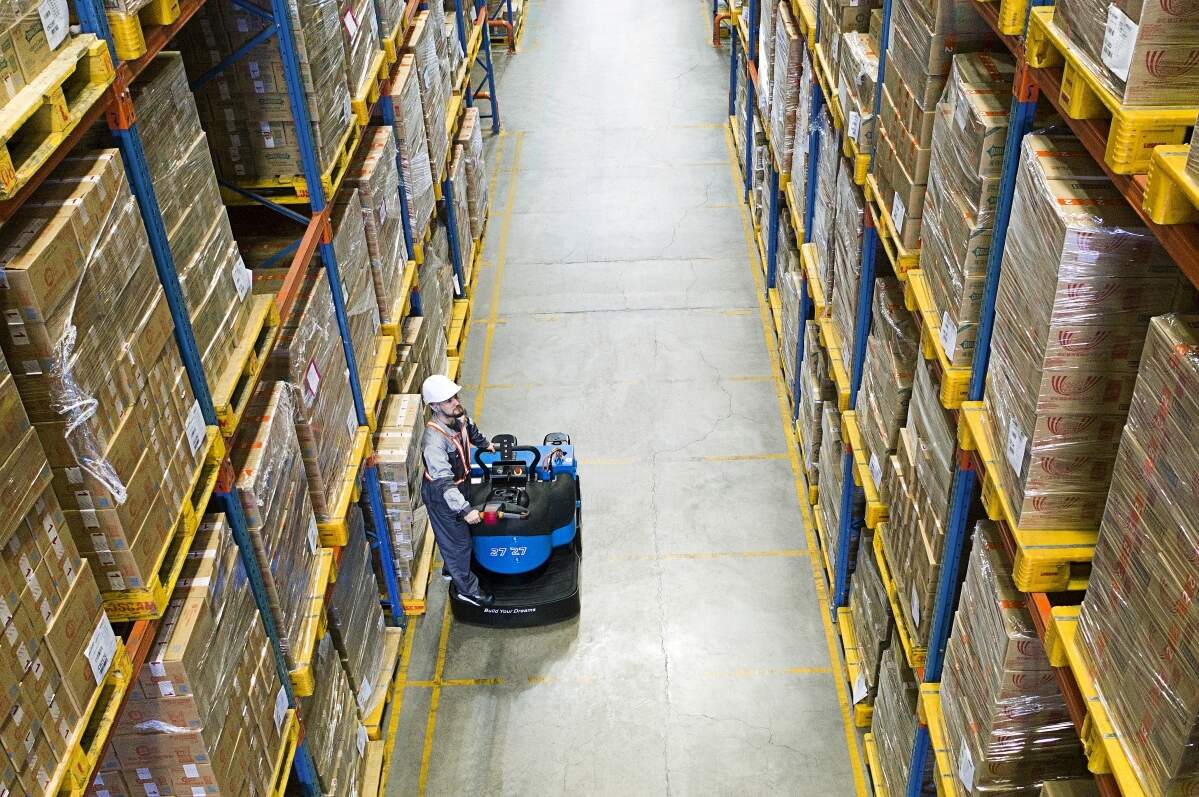
In the field of auto parts warehousing, the combination of high-rise shelves and narrow aisles is a common solution to improve space utilization, but this type of scenario requires extremely high operating accuracy of storage equipment. The narrow-channel lithium-ion stacker car has become a suitable choice due to its flexible steering and stable battery life. The following are the key points to share in the practical operation process.
Preparation before operation
Before the formal operation, a multi-dimensional inspection needs to be completed to ensure the safety and efficiency of the operation. The first is the vehicle status inspection to confirm that the lithium battery is sufficient, the braking system is sensitive and effective, the fork is not deformed and worn, and the steering mechanism operates smoothly; the second is the storage environment inspection to verify that the width of the narrow passage meets the requirements of vehicle traffic, the high-rise shelf structure is stable and not loose, and the ground is flat without debris blocking; the last is the goods inspection to confirm that the auto parts goods are well packaged and the center of gravity is clear to avoid operational risks caused by the deviation of the goods.
Core practical skills
Narrow channel steering and alignment
When driving in a narrow passage, it is necessary to plan the driving route in advance, maintain a low-speed and smooth driving, use the vehicle rearview mirror to clearly observe the situation on both sides of the passage, and reserve a sufficient safe distance when turning to avoid scratching the shelves or goods. When aligning the shelf space, slowly adjust the vehicle position to keep the fork parallel to the cargo space to ensure accurate subsequent picking and unloading operations.
High-rise shelf pick-and-place operation
After approaching the shelf, first adjust the fork to the same height as the cargo space, slowly advance the fork to the bottom of the goods, confirm that the fork is fully loaded with the goods, and then rise to the target height smoothly. During this period, avoid sudden acceleration or sudden braking to prevent the goods from shaking and falling. When placing the goods, slowly lower the goods in alignment with the cargo space, and then retrieve the fork after confirming that the goods are safely placed.
load balancing control
Auto parts goods have various specifications, and the center of gravity of some parts may be offset. During operation, it is necessary to ensure that the center of gravity of the goods is close to the root of the fork to avoid excessive load on one side. If the goods are large in size, it is necessary to confirm that the fork spacing is suitable for the width of the goods to ensure stable load.
Safety operation precautions
Operators need to hold relevant operating qualifications, wear safety helmets and other protective equipment throughout the operation, strictly abide by the rated load requirements of the equipment, and prohibit overloading operations. When the line of sight is blocked or the operating space is narrow, special personnel need to be arranged to command and cooperate. During the operation, personnel are prohibited from staying under the fork or in the vehicle's driving path.
Daily maintenance points
In order to ensure the long-term stable operation of the lithium battery stacker, it is necessary to regularly maintain the lithium battery, follow the standard charging process, and avoid overcharging or overdischarging. At the same time, regularly check the tire wear, fork tightness, and timely clean the surface of the vehicle and lithium battery parts to prevent dust accumulation from affecting the performance of the equipment.


