
 简体中文
简体中文 繁体中文
繁体中文 Deutsch
 日本語
日本語 한국어
한국어 Tiếng Việt
 Русский
 ไทย
ไทย Bahasa Indonesia
 Bahasa Melayu
 Filipino
 لالعربية
 Français

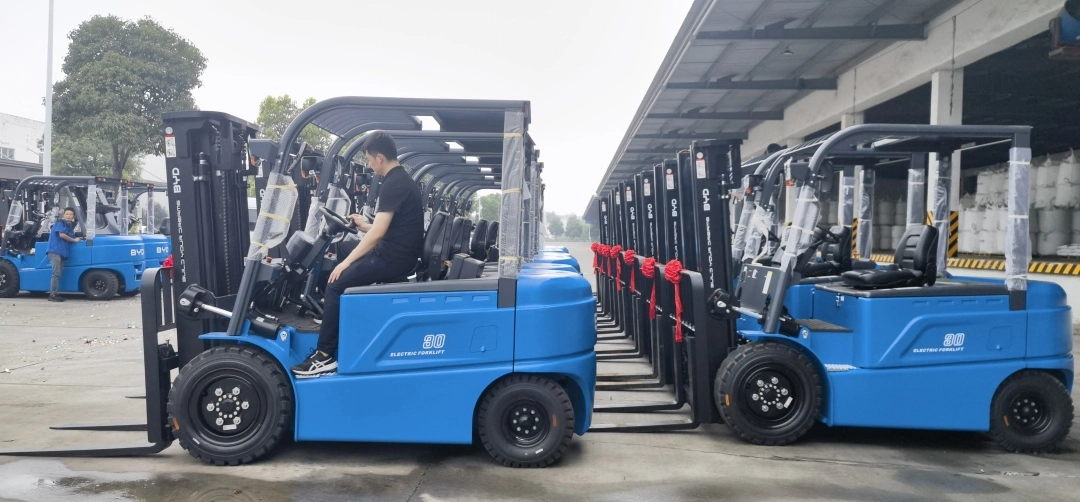
Cold storage is constantly in a low-temperature and high-humidity environment, and various parts of lithium-ion forklifts are prone to aging and performance degradation. Doing a good job in cold-proof replacement and standardized maintenance is the key to ensuring the stable operation of forklifts and prolonging the service life of equipment.
Key accessories cold protection replacement points
Battery component cold replacement
Low temperature environment will accelerate the capacity attenuation of lithium batteries. When replacing battery components, it is necessary to choose battery products suitable for low temperature working conditions. Before operation, disconnect the forklift power supply and transfer the components to be replaced to the normal temperature transition area for 1-2 hours to avoid direct contact with normal temperature air to produce condensation. After the replacement is completed, the battery management system needs to be recalibrated to ensure that the low temperature operating parameters are adapted.
Hydraulic system parts replacement
Low temperature will increase the viscosity of hydraulic oil, and seals are prone to leakage problems due to embrittlement. When replacing seals, choose cold-resistant and low-temperature resistant materials, and check the aging degree of hydraulic YouTube. If cracks appear, they need to be replaced synchronously. After replacement, the air in the hydraulic system needs to be emptied to avoid air resistance affecting the operation at low temperatures.
Electrical parts replacement
The low temperature and high humidity environment in the cold storage can easily lead to brittle cracking of the cable insulation layer and oxidation of the joints. When replacing electrical accessories, it is necessary to choose cold-resistant and moisture-resistant cables, and multi-layer insulation protection should be done at the joints to prevent condensation from causing short-circuit failures.
Precautions for maintenance operations
Operating environment protection
During maintenance, priority is given to transferring the forklift to the room temperature workshop. If it needs to be operated in the cold storage due to special circumstances, the operator needs to wear cold protection equipment. At the same time, start the forklift to warm up for 10-15 minutes in advance to allow the equipment to gradually adapt to the working environment.
test specification
Before maintenance, a special testing instrument should be used to check the low temperature tolerance of the parts, such as the low temperature discharge capacity of the battery, the low temperature pressure parameters of the hydraulic system, etc., to ensure that the replacement parts meet the requirements of the cold storage conditions.
After-work maintenance
After the replacement and maintenance are completed, the forklift needs to be put back into the cold storage for 30 minutes of trial operation to check for leakage, loose wiring, abnormal noises, etc. A daily maintenance ledger for parts should be established, the replacement time and parts parameters should be recorded, and preventive inspections should be carried out regularly to check potential faults in a timely manner.


