
 简体中文
简体中文 繁体中文
繁体中文 Deutsch
 日本語
日本語 한국어
한국어 Tiếng Việt
 Русский
 ไทย
ไทย Bahasa Indonesia
 Bahasa Melayu
 Filipino
 لالعربية
 Français

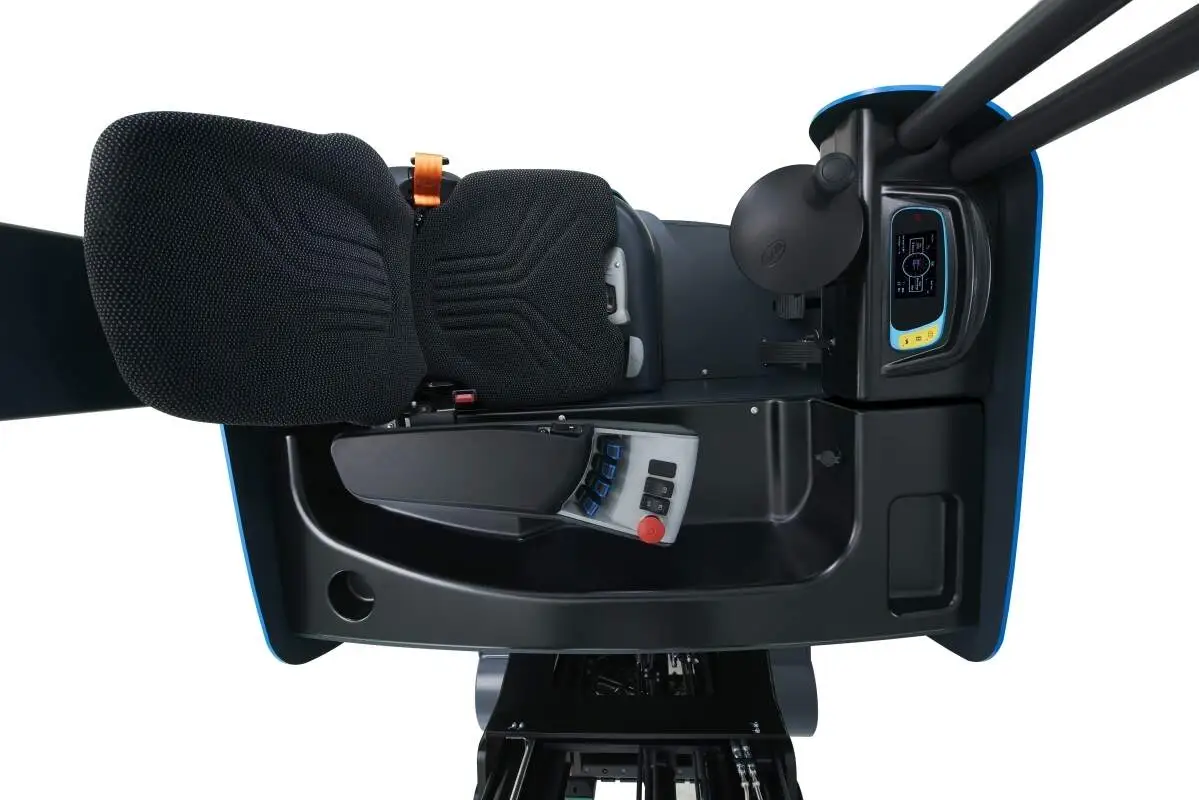
Initial procurement cost comparison
In the storage scenario, the initial purchase price of lithium-ion forklifts is usually higher than that of lead-acid forklifts. This is mainly due to the higher material cost of lithium batteries and the more sophisticated electronic control systems. Lead-acid forklifts have high technical maturity, low manufacturing costs, and relatively low procurement thresholds. For small and medium-sized enterprises with limited budgets, the initial investment pressure is less.
Daily use cost analysis
Energy cost difference
In daily operations, the energy efficiency of lithium-ion forklifts is more advantageous. The energy conversion rate of lithium batteries is higher, and the power consumption of lithium-ion forklifts is significantly lower than that of lead-acid forklifts under the same operating hours. At the same time, lithium batteries support fast charging mode, which can generally be charged in 1-2 hours, which can greatly shorten the downtime, improve the efficiency of warehousing operations, and reduce the hidden costs caused by downtime. The charging time of lead-acid forklifts usually takes 8-10 hours, and additional cooling down is required, which makes the operation continuity weak.
Charging and management costs
Lithium forklifts do not require special charging rooms and acid treatment facilities, and can be recharged between operations, making site requirements more flexible. Lead-acid forklifts, on the other hand, require a dedicated charging area and regular electrolyte inspection and replenishment, which increases site management and material consumption costs.
Maintenance cost comparison
The maintenance requirements of lithium-ion forklifts are relatively low. Lithium batteries do not have problems such as plate vulcanization and electrolyte leakage of lead-acid batteries. There is no need to add water or adjust acid regularly. They only need to check the appearance of the battery and the electronic control system regularly. The maintenance process is simple and the labor cost is low. Lead-acid forklifts, on the other hand, require regular battery cleaning, electrolyte replenishment, plate maintenance, etc., which is not only time-consuming and labor-intensive, but also requires professional maintenance personnel. In addition, the service life of lead-acid batteries is usually 2-3 years, while the service life of lithium batteries can reach 5-8 years. The difference in battery replacement costs further widens the maintenance cost gap between the two.
comprehensive life cycle cost comparison
From the perspective of the whole life cycle, although the initial procurement cost of lithium-ion forklifts is relatively high, its cost advantages in energy consumption, maintenance, battery replacement, etc. are gradually highlighted during long-term use, and the overall life cycle cost is lower than that of lead-acid forklifts. For warehousing scenarios with high work intensity and high frequency of use, the cost-effectiveness of lithium-ion forklifts is more obvious; for small warehouses with low work intensity and low frequency of use, the initial low cost of lead-acid forklifts may be more attractive.


