
 简体中文
简体中文 繁体中文
繁体中文 Deutsch
 日本語
日本語 한국어
한국어 Tiếng Việt
 Русский
 ไทย
ไทย Bahasa Indonesia
 Bahasa Melayu
 Filipino
 لالعربية
 Français

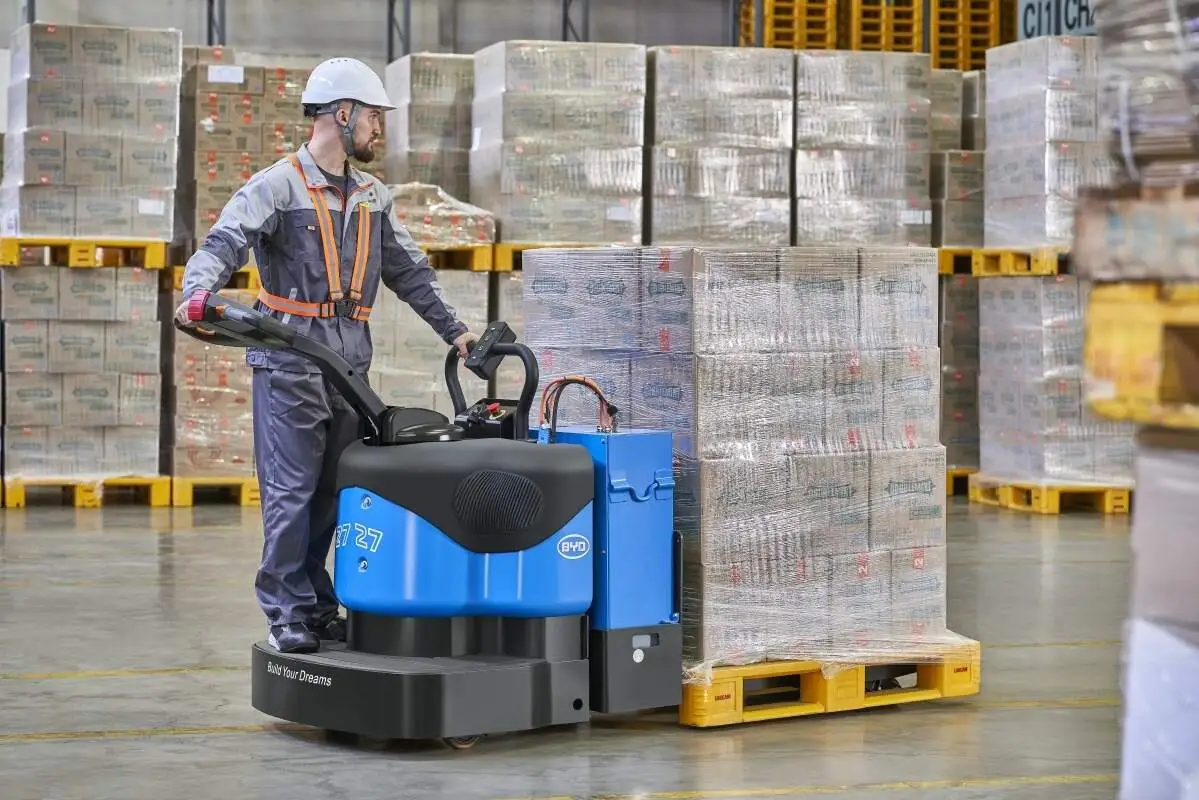
With the intelligent upgrade of the warehousing and logistics industry, lithium-ion forklifts have become common equipment in enterprise warehouses due to their environmentally friendly and efficient characteristics. Many companies often fall into the dilemma of leasing and purchasing when introducing lithium-ion forklifts. To make a suitable choice, it is necessary to rationally weigh from multiple dimensions.
Weighing leasing and procurement from a cost perspective
The long-term cost advantage of procurement
The purchase of lithium-ion forklifts requires a one-time payment of higher equipment purchase costs, but in the long run, if the enterprise warehouse has a stable demand for forklifts, after the equipment is depreciated, only maintenance costs will be borne later, and the overall cost will gradually decrease. Especially when the service life exceeds 5 years, the average annual cost of procurement is often lower than that of leasing.
The short-term cost of leasing is flexible
Leasing does not require a large amount of capital to be invested at one time, and only needs to pay rent on a regular basis, which can effectively reduce the cash flow pressure of enterprises. For start-ups or companies with tight capital turnover, leasing can quickly obtain the right to use equipment without taking up too much liquidity, while avoiding the risk of asset loss caused by idle equipment.
Combining requirements matching patterns
Fixed high frequency scenarios are suitable for procurement
If the cargo handling volume of the enterprise warehouse is stable, and the daily use time of the forklift is fixed and high-frequency, it is more suitable to purchase a lithium-ion forklift. Fixed usage scenarios can make full use of the equipment, and enterprises can also customize the equipment according to their own operating habits to improve operating efficiency.
Temporary fluctuation scenario preferred lease
When there is a seasonal handling peak in the enterprise warehouse, or there are short-term projects that require additional forklift support, the leasing model is more advantageous. Enterprises can flexibly adjust the number and cycle of leases according to demand, and return equipment in time after the peak to avoid waste of resources caused by idle equipment.
The differences between operation and maintenance and management
Autonomous operation and maintenance responsibility for procurement
After purchasing a lithium-ion forklift, companies need to undertake the daily maintenance, battery maintenance, and fault repair of the equipment themselves, which requires them to provide professional operation and maintenance personnel or cooperate with third-party operation and maintenance agencies. Although this increases management costs, companies have a higher degree of control over the equipment.
The hassle-free advantage of leasing
When choosing a leasing model, the operation and maintenance of the equipment is usually the responsibility of the leasing party, and the enterprise does not need to worry about the maintenance and repair of the equipment, which can save manpower and management effort. At the same time, the leasing party generally provides equipment replacement services. If the equipment fails, it can quickly obtain replacement equipment to ensure the continuity of warehouse operations.
Overall, when choosing a leasing or procurement model for lithium-ion forklifts, enterprise warehouses need to consider various factors such as their own financial situation, usage needs, and operation and maintenance capabilities to find the most suitable solution for their own development.


