
 简体中文
简体中文 繁体中文
繁体中文 Deutsch
 日本語
日本語 한국어
한국어 Tiếng Việt
 Русский
 ไทย
ไทย Bahasa Indonesia
 Bahasa Melayu
 Filipino
 لالعربية
 Français

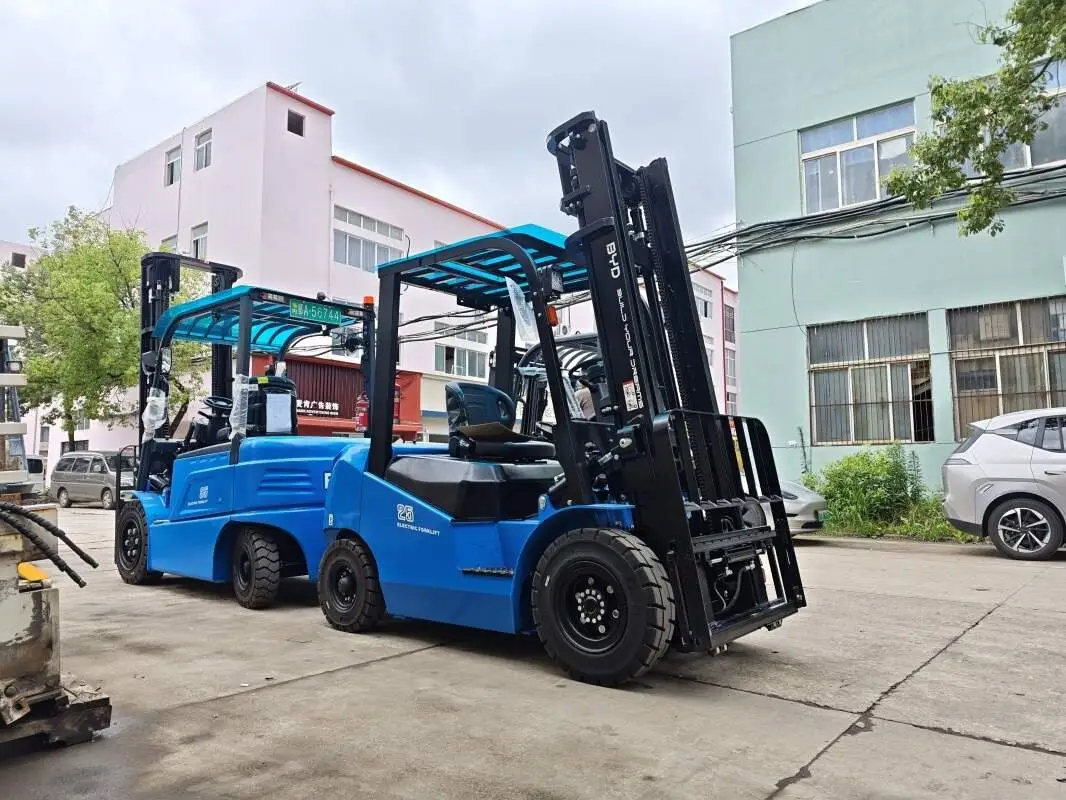
In modern warehousing and logistics systems, lithium-ion forklifts have become common equipment for various warehousing scenarios due to their characteristics of zero emissions, low noise, and low energy consumption. Lithium-ion forklifts with different load specifications have obvious differences in operating capacity and adaptation scenarios. Reasonable selection can effectively improve the efficiency of warehousing operations.
Light-duty storage lithium forklift (1.5 tons and below)
This type of forklift is small in size and flexible in operation, making it suitable for storage scenarios where space is limited and small goods are mainly handled. For example, the small distribution warehouse of e-commerce is mainly used for dismantling and picking and transshipment of small goods. The narrow operation channel and frequent short-distance handling needs just match the flexible characteristics of light-duty forklifts. In the back-end storage area of small supermarkets, the goods are mostly scattered goods. During replenishment and tally operations, light-duty forklifts can easily shuttle between shelves to complete the handling of small batches of goods. In addition, in the parts storage area of some precision manufacturing enterprises, light-duty forklifts will not cause additional pressure on fragile and precise parts, which is suitable for assisting in the fine management of materials.
Medium-load storage lithium forklift (1.5-3 tons)
Medium-load lithium-ion forklifts take into account both flexibility and bearing capacity, and are the mainstream choice for medium-sized warehousing scenarios. Medium-sized e-commerce warehousing centers mainly handle palletized goods on a daily basis. Medium-load forklifts can easily carry standard palletized goods and complete operations such as shelf stacking and warehouse area turnover. In the raw material storage area of the manufacturing industry, all kinds of packaging raw materials are mostly stored in pallet units. Medium-load forklifts can meet the transshipment needs of bulk raw materials and are suitable for stacking operations with shelf heights within 6 meters. At the same time, in the cargo sorting process of urban distribution centers, medium-load forklifts can cooperate with sorting equipment to complete the loading, unloading and short-distance transshipment of goods, balancing operation efficiency and site utilization.
Heavy-duty storage lithium forklift (more than 3 tons)
Heavy-duty lithium-electric forklifts have strong carrying capacity and are suitable for large-scale warehousing and heavy cargo handling scenarios. The container unloading area of a large logistics hub needs to handle heavy pallet goods in the container. The high bearing capacity of heavy-duty forklifts can meet the needs of such high-intensity operations. Industrial raw material storage bases store heavy goods such as steel and large equipment accessories, relying on heavy-duty forklifts to complete long-distance transshipment and high-shelf stacking operations, with a shelf height of more than 8 meters. In addition, in the port's supporting storage area, heavy-duty lithium-electric forklifts can cooperate with port loading and unloading equipment to complete the on-site transshipment of large-scale goods and improve the overall logistics flow speed.
When selecting a lithium-ion forklift for storage, enterprises need to consider factors such as their own storage scale, average weight of goods, operating channel width, and shelf height to ensure that the forklift is highly compatible with the operating scene, and then optimize the warehousing operation process and improve overall operating efficiency.


