
 简体中文
简体中文 繁体中文
繁体中文 Deutsch
 日本語
日本語 한국어
한국어 Tiếng Việt
 Русский
 ไทย
ไทย Bahasa Indonesia
 Bahasa Melayu
 Filipino
 لالعربية
 Français

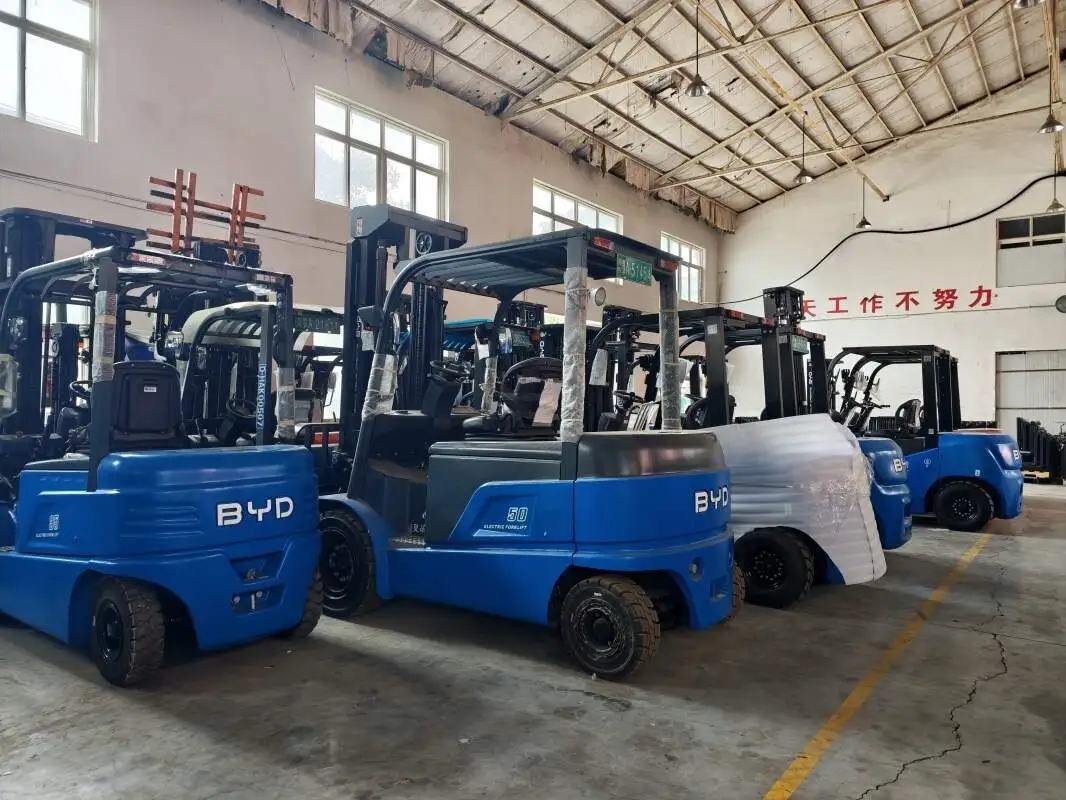
In the enterprise logistics operation scenario, the selection of forklifts often requires comprehensive consideration of various factors, among which the cost of use is one of the core decision-making bases. Lithium-ion counterbalanced forklifts and internal combustion forklifts are the mainstream categories in the market, and there is a significant difference in the cost performance of the two.
Initial procurement cost comparison
The initial purchase price of lithium-ion counterbalanced forklifts is usually higher than that of internal combustion forklifts, mainly due to the cost of core components such as lithium batteries and high-performance electronic control systems. However, with the continued popularity of lithium-ion technology and the maturation of the industrial chain, the price gap between the two is gradually narrowing.
Daily operating cost comparison
Daily operation is the main link of forklift cost consumption. Internal combustion forklifts rely on fuel drive, their cost is greatly affected by fluctuations in international oil prices, and the energy conversion efficiency of fuel combustion is low, and the energy consumption cost in actual operation is relatively high. Lithium-ion balance forklifts rely on electric power, and the electricity price is relatively stable, and the energy conversion efficiency is higher. The energy consumption expenditure under the same amount of work is significantly lower than that of internal combustion forklifts. In addition, lithium-ion forklifts do not need to visit the refueling point frequently during operation, saving the waiting time for refueling and indirectly improving the overall operating efficiency.
Maintenance cost comparison
The power system of an internal combustion forklift has a complex structure, including multiple precision components such as the engine, gearbox, and fuel supply system. It requires regular oil replacement, filter cleaning, spark plug maintenance, and other maintenance items. Maintenance frequency is high, and consumables and labor costs are relatively high. The power system of a lithium-ion balance forklift is more concise, mainly composed of lithium batteries and permanent magnet motors. Daily maintenance only needs to pay attention to the state detection of the battery, surface cleaning, and routine inspection of the motor. Maintenance items are few and frequent, which can save a lot of maintenance costs for enterprises in the long run.
Life Cycle Comprehensive Cost Comparison
From the perspective of the entire equipment life cycle, although the initial procurement cost of lithium-ion forklifts is higher, with lower daily operating costs and maintenance costs, the comprehensive life cycle cost is more advantageous. In addition, the lifespan of lithium-ion forklifts is usually longer, and lithium batteries still have a certain residual value after the end of their service life, further reducing the comprehensive cost expenditure.
When selecting a forklift, an enterprise should comprehensively evaluate the cost performance of the two forklifts based on its own operating scenarios, usage frequency, and energy supply conditions, in order to make a selection decision that is more in line with its own needs.


