
 简体中文
简体中文 繁体中文
繁体中文 Deutsch
 日本語
日本語 한국어
한국어 Tiếng Việt
 Русский
 ไทย
ไทย Bahasa Indonesia
 Bahasa Melayu
 Filipino
 لالعربية
 Français

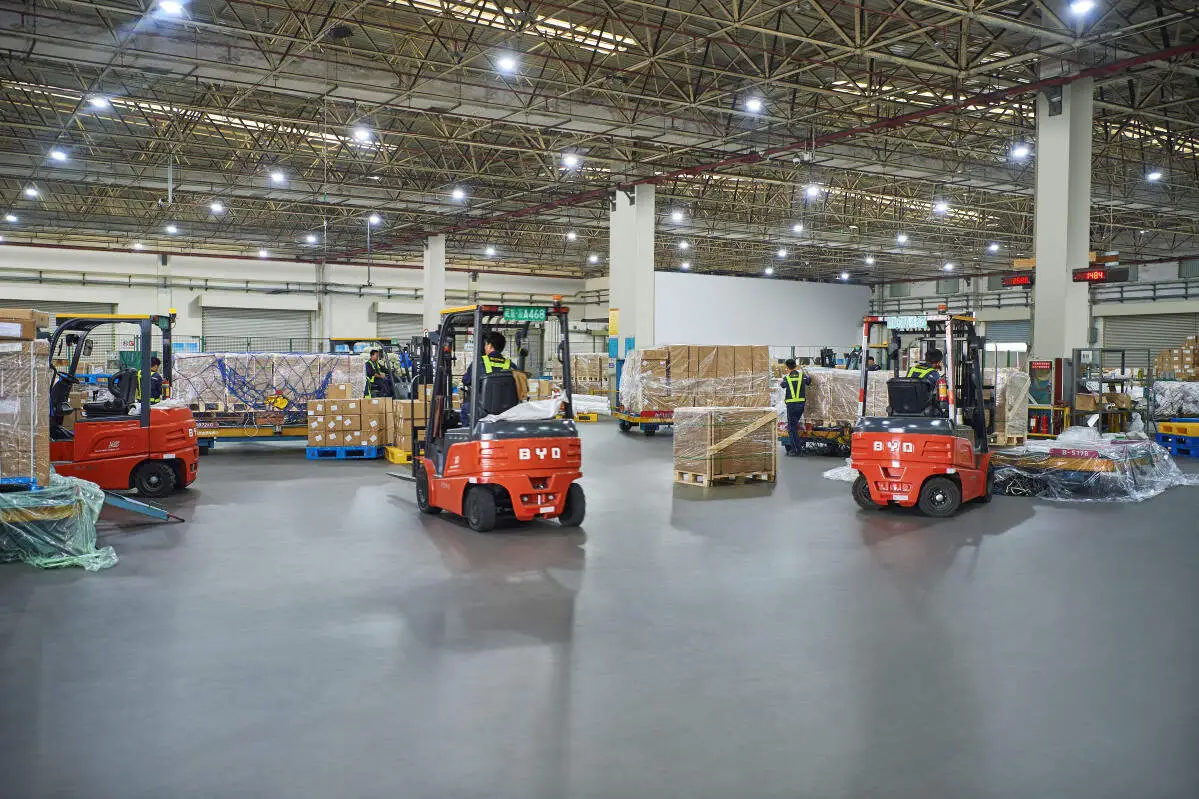
With the growth of heavy-duty demand for industrial logistics, large-tonnage electric forklifts have become the core equipment for bulk cargo transshipment in factories due to their environmental protection and low noise. Choosing the right equipment can effectively improve operational efficiency, reduce operating costs, and ensure production safety.
Key points for purchasing large-tonnage electric forklifts
Precise matching of load and operating conditions
When purchasing, it is necessary to combine the maximum load, operating frequency and scene characteristics of daily operations to avoid the waste of resources caused by the blind pursuit of large tonnage. If there are ramps and narrow passages in the operation area, it is also necessary to pay attention to the climbing ability and steering flexibility of the forklift to ensure stable passage through complex working conditions.
Reasonable selection of power system
The current mainstream power is lithium batteries and lead-acid batteries. Lithium batteries have the advantages of long battery life and fast charging, making them suitable for continuous high-intensity operation scenarios; lead-acid batteries have lower procurement costs but shorter cycle life, making them more suitable for scenarios with moderate operation frequency. Enterprises need to choose comprehensively based on their own charging conditions and operation time.
Pay attention to security configuration details
Heavy-duty operations pose a high risk, and it is necessary to pay attention to safety facilities such as the anti-rollover system, emergency braking device, and visual field assistance configuration of forklifts. These configurations can effectively reduce safety hazards during operations and ensure the safety of operators and goods.
Evaluate long-term operation and maintenance costs
In addition to the purchase price, it is also necessary to consider the cost of battery replacement, parts maintenance, and the after-sales service response efficiency of the equipment, and choose equipment with controllable operation and maintenance costs and perfect after-sales guarantee to reduce additional expenses in long-term operations.
Suggestions for adapting heavy-duty operations in the factory
Optimize the layout of the work site
The ground in the heavy-duty operation area should be kept flat and solid, and the load-bearing capacity should meet the total weight requirements of the forklift and the cargo. At the same time, it is necessary to reasonably plan the turning radius and the width of the working channel, and remove obstacles in the area to avoid affecting the normal driving and operation of the forklift.
Standardize overload workflow
Operators need to hold relevant qualification certificates, formulate a clear heavy load operation process, including the lifting height limit of goods, speed control and other content, strictly prohibit overloading, emergency braking and other dangerous operations, to ensure the safety of the operation process compliance.
Strengthen daily operation and maintenance management
Regularly conduct a comprehensive inspection of the forklift, focusing on battery status, braking system, tire wear, and carry out maintenance and parts replacement in a timely manner. Establish an operation and maintenance ledger to record equipment failure and maintenance information to prolong the service life of the equipment.


