
 简体中文
简体中文 繁体中文
繁体中文 Deutsch
 日本語
日本語 한국어
한국어 Tiếng Việt
 Русский
 ไทย
ไทย Bahasa Indonesia
 Bahasa Melayu
 Filipino
 لالعربية
 Français

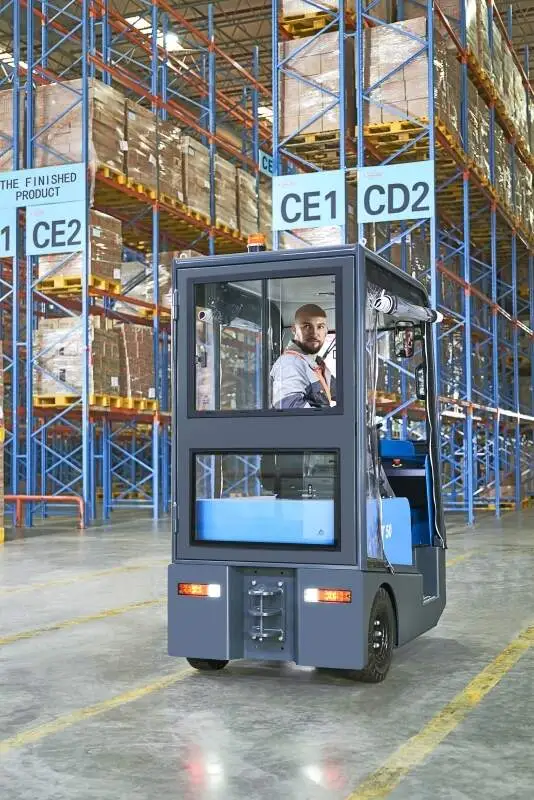
As the core place of drug production and inspection, the pharmaceutical clean workshop has strict grading standards for environmental cleanliness, and also has clear requirements for emissions, noise, and easy cleaning of the equipment running in the workshop. Low-emission 3.5-ton lithium-ion forklift trucks have gradually become one of the more commonly used handling equipment in this type of scene due to their own characteristics.
The core requirements of the handling equipment in the pharmaceutical clean workshop are, firstly, emission control, which cannot produce visible smoke, dust or oil pollutants, so as to avoid pollution to the medicine, work in progress and production environment. Secondly, the design of the surface of the equipment should try to avoid dead corners and gaps that are difficult to clean, which is convenient for daily cleaning and disinfection, and meets the requirements of GMP and other relevant specifications. In addition, the operating noise of the equipment also needs to be controlled within a certain range to reduce the interference to the operators in the workshop, and at the same time avoid damage to the drug packaging or precision instruments caused by excessive vibration.
Low-emission 3.5-ton lithium-ion forklifts are suitable for a wide range of applications. In the raw material storage area of the workshop, such forklifts can be used to carry pallets containing medicinal raw materials. These raw material pallets are usually heavy, and the 3.5-ton rated load can meet most of the demand. Moreover, the use of lithium batteries does not produce exhaust emissions and does not pollute the environment of the raw material storage area. In the material transfer process inside the production workshop, since the space in the production area may be relatively limited, the flexibility of forklifts is also very important. Such forklifts generally have a small turning radius, which can be used to run smoothly in narrow passages. At the same time, the smooth design of the surface also facilitates regular wiping and disinfection.
In the temporary storage area before the finished product leaves the warehouse, the low-emission 3.5-ton lithium-ion forklift can be used to transport the already packaged drug pallets from the end of the production line to the designated shelves in the temporary storage area, or from the temporary storage area to the delivery channel. In this process, the smooth operation of the forklift can effectively avoid damage to the drug packaging and ensure the quality of the drug. In addition, the charging time of the lithium battery is relatively short, and the battery life is relatively long, which can meet the needs of the workshop for continuous operation of multiple shifts. There is no need to replace the battery frequently, reducing the risk of dust pollution caused by battery replacement.
It is important to note that when using a low-emission 3.5-ton lithium-ion forklift in a pharmaceutical clean workshop, the appropriate protection level should be selected according to the specific cleanliness level of the workshop, and the forklift should be cleaned and maintained regularly to ensure that it meets the requirements of relevant regulations.


