
 简体中文
简体中文 繁体中文
繁体中文 Deutsch
 日本語
日本語 한국어
한국어 Tiếng Việt
 Русский
 ไทย
ไทย Bahasa Indonesia
 Bahasa Melayu
 Filipino
 لالعربية
 Français

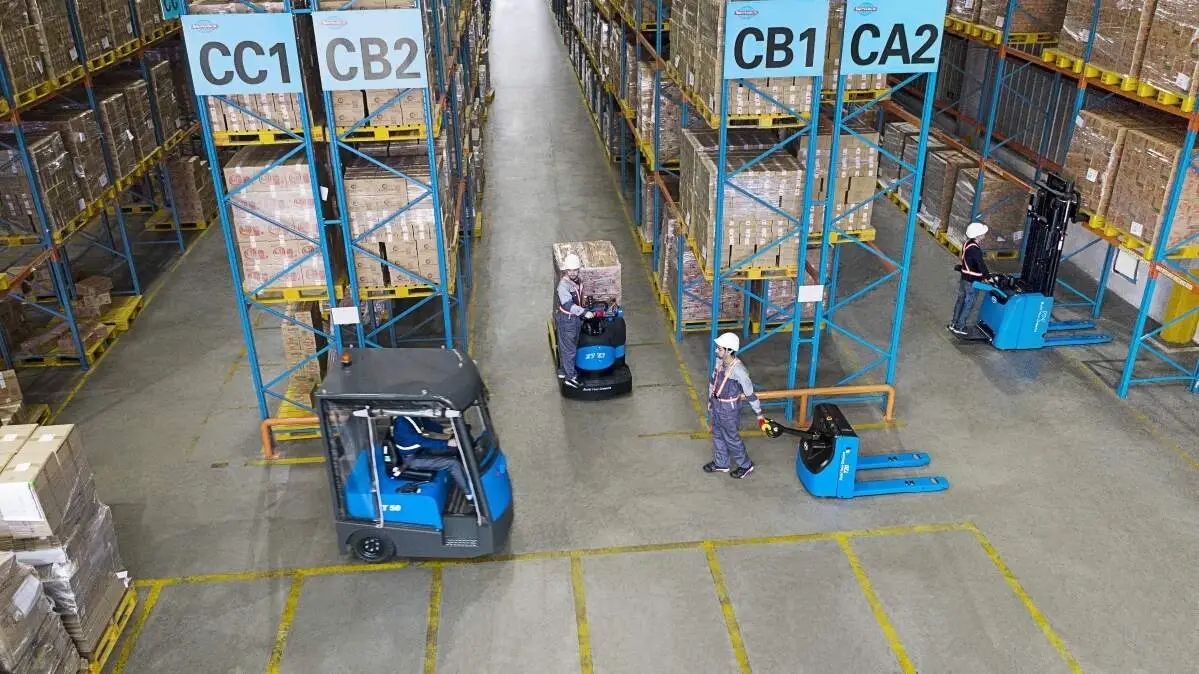
In the field of warehousing and logistics, narrow roadway operation scenarios have high requirements for forklift flexibility and space utilization. As a device suitable for such scenarios, BYD RTR16i is often faced with the choice of leasing and procurement models when selecting. Understanding the cost difference between the two models helps to make a reasonable choice based on their own operating needs.
Cost Component Calculation of Procurement Model
From the perspective of long-term use, the cost of purchasing the BYD RTR16i mainly covers the initial purchase expenditure, daily maintenance and maintenance expenses, equipment depreciation costs and operating energy consumption costs. The initial purchase expenditure is a one-time large investment, including the cost of the equipment body and necessary supporting accessories. Daily maintenance needs to be carried out on a regular basis, covering items such as replacement of parts, troubleshooting, regular cleaning, etc., and the cost gradually increases with the service life. Equipment depreciation is allocated year by year according to the service life, and can usually be calculated according to the depreciation standard common in the industry. The operating energy cost is based on the actual use time and energy efficiency of the equipment, and the overall expenditure is obtained by combining the local energy price.
Calculation of the cost composition of the leasing model
Under the leasing model, the enterprise does not need to bear a large initial investment, and the cost is mainly fixed rent. The rent is usually paid monthly or quarterly, including the basic right to use the equipment and some basic maintenance services. Some leasing plans may also involve additional value-added service costs, such as emergency repair, special project technical support, etc., which need to be confirmed according to actual needs. In addition, under the leasing model, the enterprise does not need to bear the risk of residual value of the equipment. After the lease expires, the company can choose to return the equipment or renew the lease, which is more flexible.
Comparison of the two modes and applicable scenarios
Through the cost calculation of the two modes, it can be seen that if the enterprise has long-term stable narrow lane operation needs and sufficient funds, the long-term unit time cost of the procurement mode is relatively low and more economical. If the enterprise's operation needs are phased and temporary, or want to reduce the pressure of capital occupation, the leasing mode is more suitable. Because of its compact body design and flexible steering performance, BYD RTR16i can effectively improve the operation efficiency in the narrow lane dojo scene, no matter which mode is selected, it can provide strong support for warehousing operations.


