
 简体中文
简体中文 繁体中文
繁体中文 Deutsch
 日本語
日本語 한국어
한국어 Tiếng Việt
 Русский
 ไทย
ไทย Bahasa Indonesia
 Bahasa Melayu
 Filipino
 لالعربية
 Français

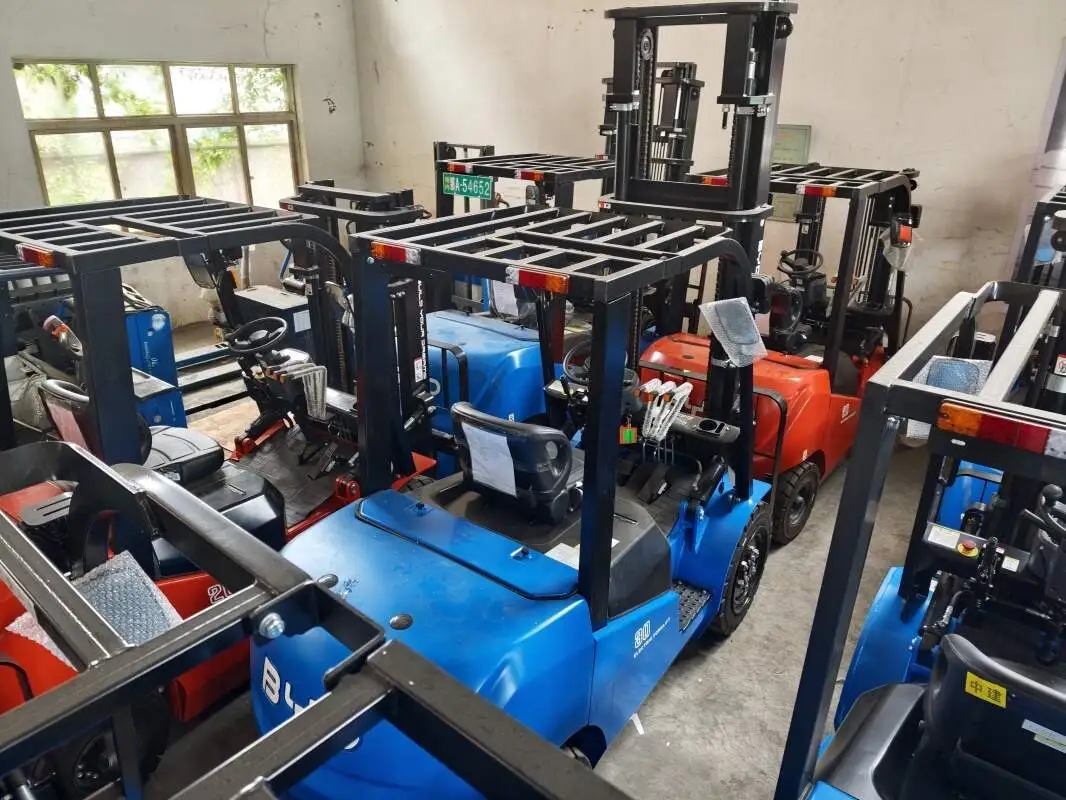
Small and medium-sized enterprise warehousing generally faces the pain points of limited space, high operational efficiency requirements, and strict control of procurement costs. Choosing suitable warehousing equipment has become a key link in improving operational efficiency. The BYD RTR20i three-way stacker has attracted the attention of many enterprises because it fits the characteristics of small and medium-sized enterprise warehousing scenarios.
The core advantages of adapting to SME warehousing scenarios
The BYD RTR20i three-way stacker has the function of three-way operation, which can complete the pick-and-place and stacking operations of goods in a narrow channel, and can realize the operation without major steering. It can effectively improve the utilization rate of storage space, especially suitable for small and medium-sized enterprise warehouses with dense shelves and limited channel widths. At the same time, its operation convenience is strong, the threshold for getting started is low, and it can be quickly mastered by warehouse management personnel without complex training, adapting to the current situation of relatively streamlined staffing of small and medium-sized enterprises.
Key information for quotation consultation
When consulting the quotation of BYD RTR20i three-way stacking truck, enterprises need to sort out the core parameters of their own warehousing in advance, including warehouse channel width, shelf maximum stacking height, average daily operation volume, etc. This information will affect the configuration selection of equipment, which in turn will affect the quotation. In addition, it is necessary to clarify the service content included in the quotation, such as whether it includes door-to-door installation, operation training, free maintenance services for a certain period of time, etc., to avoid additional hidden costs in the future. Consultation channels can choose service providers officially authorized by the brand or online official consulting platforms to ensure that the quotation information obtained is accurate and time-sensitive.
Reference points for purchasing decisions
In addition to paying attention to the quotation, SMEs also need to review the long-term applicability of the equipment in combination with their own actual features. For example, whether the maintenance cost of the equipment is within the company's affordability, and whether the brand's after-sales response speed can match the emergency needs of warehouse operations. At the same time, you can refer to the feedback from enterprises of the same size in the same industry to further confirm whether the equipment can meet the core needs of daily warehousing operations, and avoid blindly using price as a single decision-making criterion.


