
 简体中文
简体中文 繁体中文
繁体中文 Deutsch
 日本語
日本語 한국어
한국어 Tiếng Việt
 Русский
 ไทย
ไทย Bahasa Indonesia
 Bahasa Melayu
 Filipino
 لالعربية
 Français

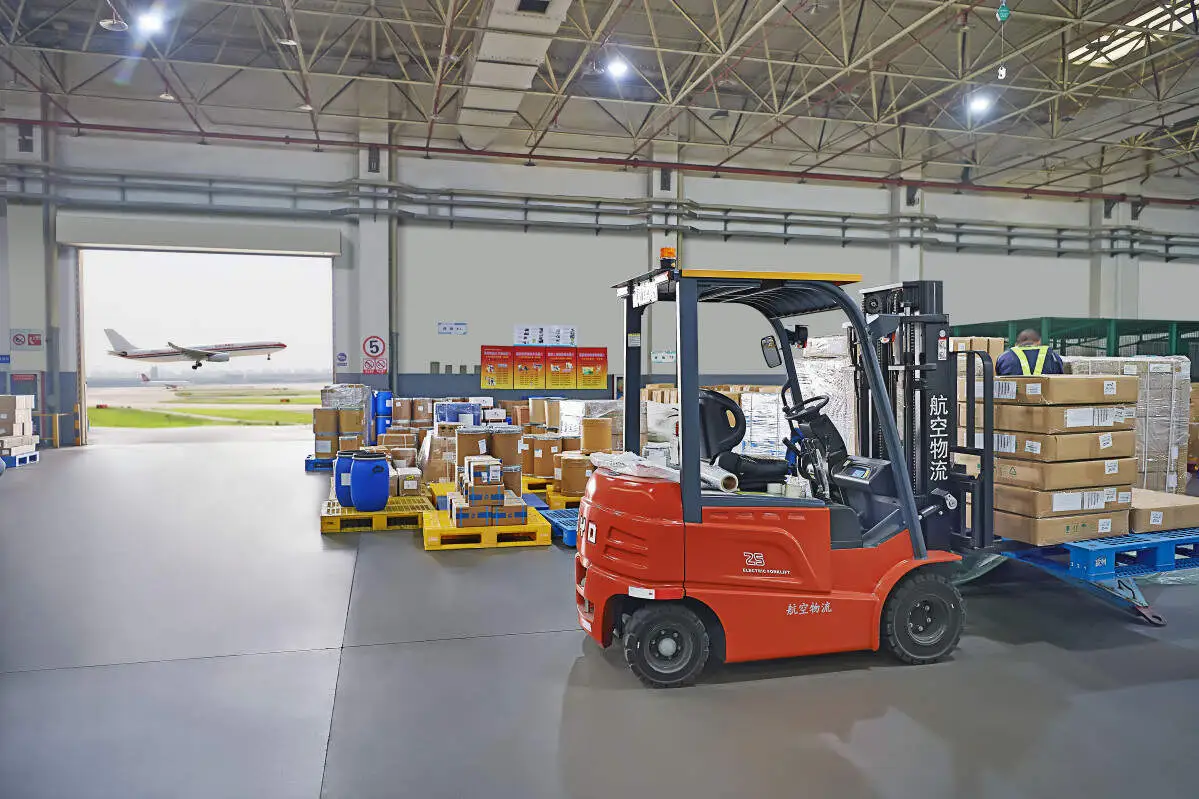
For warehousing enterprises with bulk procurement requirements, the procurement negotiation process of lithium-ion forklifts directly affects the efficiency and operating costs of subsequent operations. It is necessary to focus on various details to ensure that procurement decisions are scientific and reasonable.
Clarify your own procurement needs
Warehouse scene adaptation is the basis of procurement negotiations. There are differences in the requirements for forklifts in different storage environments. For example, narrow aisle warehouses need to turn to flexible small forklifts, while high-shelf warehouses need forklifts with large lifting heights. Before negotiation, it is necessary to sort out the warehouse layout, goods weight and size, operation aisle width and other information, and clearly communicate these requirements to the supplier to ensure that the recommended forklifts can be adapted to the actual operation scene.
The use of scale matching cannot be ignored. The number, battery life and charging efficiency of the forklifts required should be determined in combination with the daily operation volume, shift arrangement, and charging facility layout. For example, in the warehousing scenario of multi-shift operations, the fast charging capacity of the forklift or the backup battery configuration should be considered to avoid affecting the continuity of the operation due to insufficient power.
Refine the cost accounting dimension
When negotiating procurement, we should not only focus on the total price of a single purchase, but also comprehensively calculate the long-term operating costs. First, clarify the preferential range of bulk procurement, negotiate a reasonable unit price according to the purchase quantity, and compare the price differences of different configurations to avoid paying additional costs for unnecessary functions.
Secondly, consider the long-term use cost, including battery life, maintenance costs, energy consumption level, etc. For example, the cycle life of the battery directly affects the subsequent replacement cost. During negotiation, suppliers can be required to provide battery performance parameters to calculate long-term investment and choose more cost-effective products.
Implement quality and after-sales guarantee
The quality of the core components of a lithium-ion forklift directly determines the service life and operation stability. When negotiating, it is necessary to pay attention to the performance indicators of core components such as batteries, motors, and control systems, and require suppliers to provide relevant performance testing instructions to ensure that the products meet the requirements of high-intensity warehousing operations.
The after-sales services system also focuses on confirming the content. It is necessary to clarify the after-sales response time, the coverage of maintenance outlets, the quality assurance period and the quality assurance content. For example, in warehouses in remote areas, it is necessary to ensure that suppliers can provide timely on-site maintenance services to avoid long-term stagnation due to equipment failure.
Confirm the core terms of the contract
Contract terms are the key to protecting the rights and interests of both parties, and the core content needs to be confirmed one by one during negotiation. The first is the delivery and acceptance terms, which clarify the delivery time and place, as well as the acceptance standards and procedures, such as on-site test machine testing, performance parameter verification, etc., to avoid the situation of wrong delivery.
Secondly, there are provisions for the division of responsibilities, which clarify the responsibility for damage during transportation, the attribution of responsibility for installation and commissioning, and solutions to quality problems of equipment, such as return and exchange processes, maintenance compensation methods, etc., to ensure that there is a clear basis for solving subsequent problems.


