
 简体中文
简体中文 繁体中文
繁体中文 Deutsch
 日本語
日本語 한국어
한국어 Tiếng Việt
 Русский
 ไทย
ไทย Bahasa Indonesia
 Bahasa Melayu
 Filipino
 لالعربية
 Français

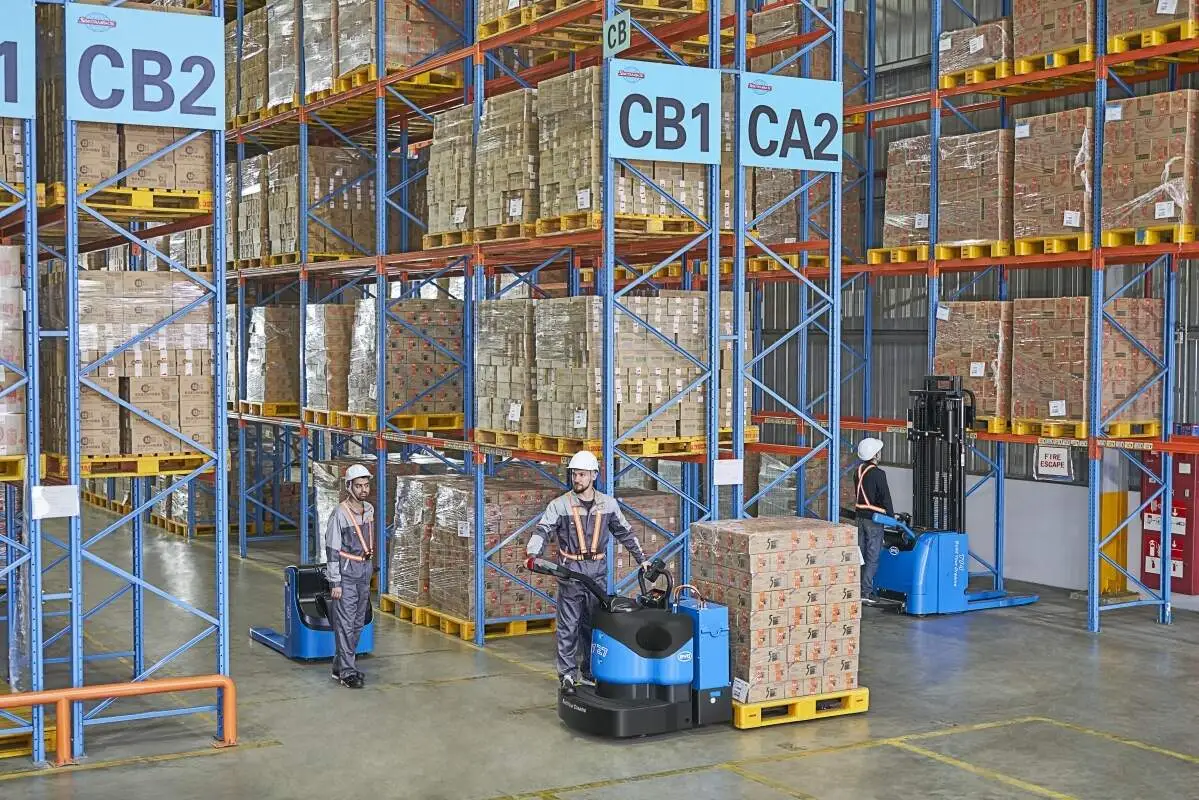
Daily maintenance process of reach lithium battery forklift
Daily use of front-moving lithium battery forklifts, do a good job of periodic inspection and maintenance can effectively extend the life of equipment and reduce the risk of failure. The first is the basic inspection before daily use. You need to go around the car to check whether there are bumps and deformations in the appearance of the body, whether the tire air pressure is normal, whether the rubber tires have cracks or excessive wear marks, and whether the rims are tight and not loose. Then check the door frame system to see if the rollers between the inner and outer door frames rotate smoothly, whether there are abnormal card noises, whether the chain tension is consistent, and whether there are rust or deformation on the surface of the chain. If necessary, you can gently pull the chain to assist in judgment. Then check the operation-related parts, press the brake pedal to confirm the braking effect, turn the steering wheel to check whether the steering is flexible and free of jams, lift and lower the fork to see if the lifting and lowering process is smooth, and whether the operating handles are reset normally. Finally, check the battery part to see if the appearance of the battery is clean and dry, whether the electrode column has an oxide layer, and whether the battery power meets the needs of the day's operation. If the power is too low, it needs to be charged in time according to the specifications.
A more detailed maintenance can be added once a week, focusing on cleaning the dust impurities in the door frame roller track, chain and other parts, wiping the electrode column with a clean soft cloth and applying a small amount of special protective grease to prevent oxidation, checking whether the liquid level of brake fluid and hydraulic oil is within the standard range, and observing whether there is leakage. Lubricate the chain every month, use the lubricating oil suitable for the equipment to evenly apply to the surface of the chain, and check whether the welds of the door frame, fork and other load-bearing parts are cracked, and whether the torque of the tire bolts meets the requirements.
Introduction of Vulnerable Parts of Reach Lithium Battery Forklift
There are several main categories of vulnerable parts for forward-moving lithium-ion forklifts. The fork sleeve is an important part to protect the front end of the fork. It is prone to wear and tear during long-term operation with the goods and the ground. When the wear is serious, it needs to be replaced in time to avoid affecting the load-bearing capacity of the fork and the stability of the goods. The gantry chain will gradually stretch during frequent lifting and descending. When the tensile amount exceeds the specified range, it needs to be adjusted or replaced. At the same time, attention should be paid to lubrication in place. Tires are also high-frequency wearing parts. Local wear and tear or cracks may occur when solid tires are rolled for a long time. Pneumatic tires may leak or have unstable air pressure. Replacement needs to be selected The micro switch, brake pad and other components of the operating handle will also wear out after the number of uses increases, affecting the operating sensitivity and safety, and need to be checked and replaced regularly.


