
 简体中文
简体中文 繁体中文
繁体中文 Deutsch
 日本語
日本語 한국어
한국어 Tiếng Việt
 Русский
 ไทย
ไทย Bahasa Indonesia
 Bahasa Melayu
 Filipino
 لالعربية
 Français

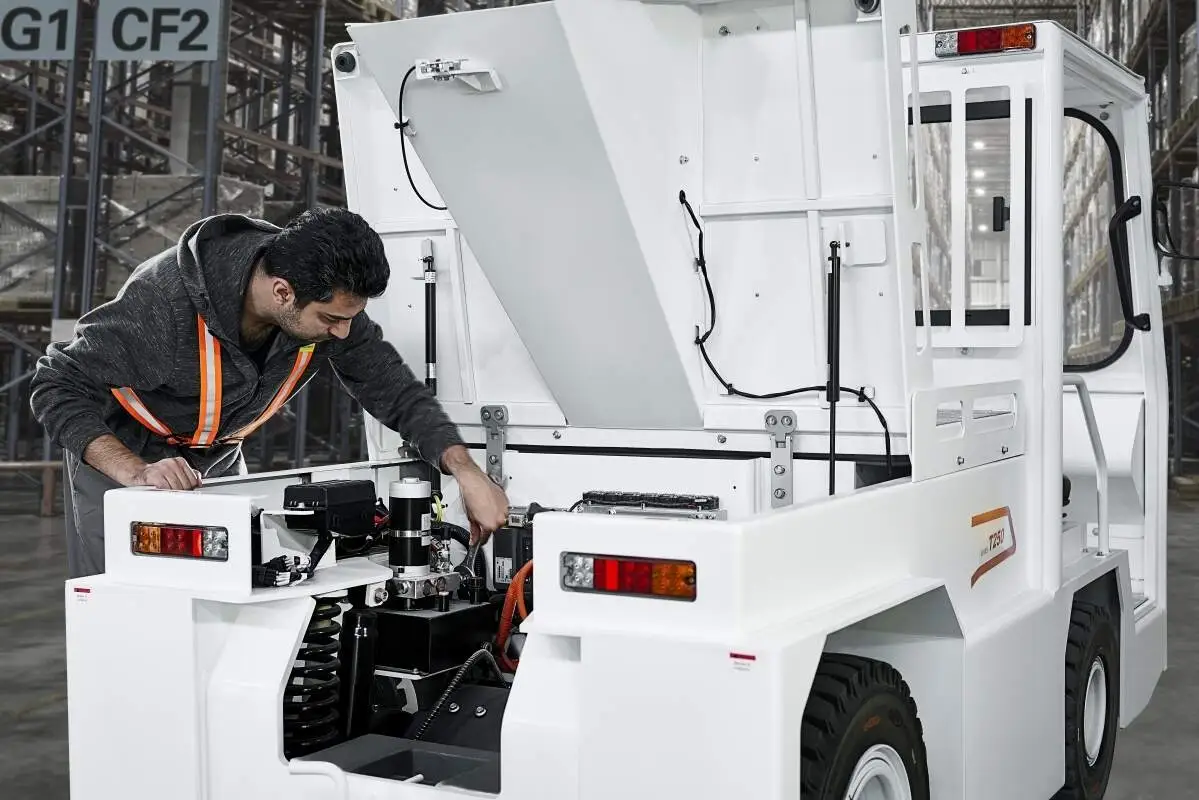
In logistics and warehousing scenarios, the frequent handling of small goods is one of the core aspects of daily operations. Traditional manual handling or large forklift operations are often difficult to balance efficiency and flexibility. Small lithium-ion forklifts are an ideal choice for such scenarios due to their own characteristics.
Small lithium forklift adapts to the core advantages of logistics small handling
Flexible adaptation to narrow channel operations
Small lithium-ion forklifts are compact in size, with a steering radius much smaller than that of large forklifts. They can easily shuttle through the narrow passages between storage shelves. Even small warehouses with limited space can complete the rapid transfer of small goods, effectively improving space utilization.
Lithium battery power environmental protection and energy saving
Unlike fuel forklifts, small lithium-ion forklifts are powered by lithium batteries, which have no exhaust emissions during operation, fully adapt to the environmental protection requirements of indoor storage, and operate with low noise, which will not interfere with other operation processes in the warehouse. In addition, lithium-ion batteries have high energy utilization and relatively low daily use costs.
Low operating threshold and easy to use
This type of forklift mostly adopts an electronically controlled operation mode, with simple and intuitive operation logic. Novices can operate independently after a short period of basic training, without the need for professional driving qualifications. It can quickly supplement handling manpower and reduce the labor cost of enterprises.
Recommended points for the selection of small lithium battery forklifts
Match small cargo loading requirements
The weight of a single batch of small goods is usually in the range of hundreds of kilograms. When selecting a model, there is no need to blindly pursue a large load. The model with a matching carrying capacity should be selected according to the weight range of the goods handled daily, which can not only meet the needs of the operation, but also avoid wasting resources.
Focus on battery life and charging convenience
According to the daily operation frequency and duration, the model with battery life that can cover all-day operation is preferred. At the same time, you can pay attention to products with fast charging function, and you can complete the replenishment during fragmented times such as lunch breaks to ensure that the operation process is not interrupted.
Consider the suitability of the operating space
If the passage in the warehouse is narrow or there are many corners, it is necessary to pay attention to the turning radius parameters of the forklift, and choose a model with flexible steering to avoid affecting the handling efficiency due to space limitations.
Precautions for the use and maintenance of small lithium forklifts
Regularly check the battery status
Before and after daily operation, check whether the voltage and charging interface of the lithium battery are normal to avoid excessive discharge, and charge according to the specifications to prolong the service life of the battery.
Standardized operation to avoid overload
Operate strictly according to the rated load of the forklift to avoid damage to the forklift structure or potential safety hazards due to overloading, and ensure the safety of workers and goods.
Do a good job in daily cleaning and maintenance
Regularly clean the dust and debris on the body and battery surface of the forklift to prevent dust accumulation from affecting the electronic control system and battery performance of the forklift, and maintain the stable operation of the forklift.


