
 简体中文
简体中文 繁体中文
繁体中文 Deutsch
 日本語
日本語 한국어
한국어 Tiếng Việt
 Русский
 ไทย
ไทย Bahasa Indonesia
 Bahasa Melayu
 Filipino
 لالعربية
 Français

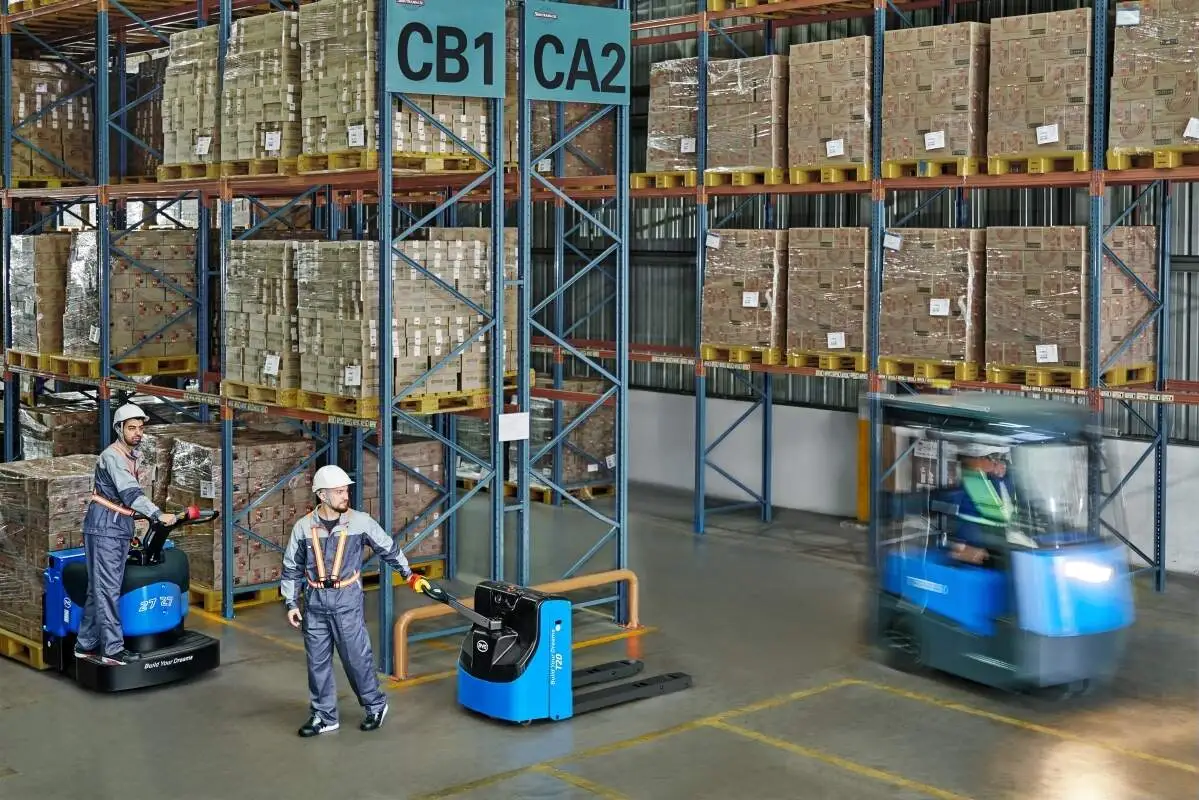
Electric forklifts, as common equipment in industrial operations, require regular safety technical inspections, and 1.5-ton lithium-ion forklifts are no exception. Doing annual compliance inspections can not only check potential safety hazards in time, reduce the risk of equipment failure, but also ensure that operations comply with relevant laws and regulations and avoid violations and penalties.
First of all, it is necessary to clarify the annual inspection time of the 1.5-ton lithium-ion forklift. According to the current national safety technical specifications for special equipment, electric forklifts belong to special motor vehicles in the field (factory). The first inspection should be completed before or within 30 days after being put into use. After that, the regular inspection cycle is once a year. If the equipment exceeds the valid period of inspection due to deactivation, maintenance, etc., it is also necessary to apply for inspection in advance before being put back into use.
The second is the preparation requirements for the annual inspection of 1.5-ton lithium-ion forklifts. On the one hand, it is necessary to check the status of the equipment itself to ensure that there is no obvious rust or deformation in the appearance, the fastening of the connecting parts is not loose, the tire pressure is sufficient and the tread wear does not exceed the safety specifications, the brake system and steering system operate flexibly and effectively, the lighting, warning lights, horns and other signal devices are complete and intact, the forks, chains, door frames and other bearing parts are free of cracks, deformation and serious wear, the electrical system is well insulated, the appearance of the lithium battery pack is neat and firm, the charging interface and cable are not damaged, and the battery management system can normally display key parameters such as power, voltage and temperature. On the other hand, it is necessary to prepare materials such as the registration certificate for the use of special motor vehicles in the field (factory), the inspection report of the previous year, the latest daily maintenance records of the equipment, and the operator's special equipment operator certificate to ensure that all materials are true and effective without alteration.
Then there is the specific annual inspection procedures process. The first step is to apply to the local qualified special equipment inspection agency. You can submit relevant materials through the online platform or offline window, fill in the inspection application form, and clarify the equipment model, use location, application time and other information. The second step is to make an appointment for the inspection time. After the inspection agency receives the application and approves the review, it will negotiate with the user unit to determine the specific inspection date and time. The third step is to cooperate with the inspection. Within the agreed time, arrange the presence of licensed operators, clean up the inspection site, and ensure that the inspection environment is safe and tidy. At the same time, provide all the prepared materials for the inspection personnel to consult, and operate the equipment according to the requirements of the inspection personnel. Cooperate with the completion of various testing items. The fourth step is to receive the inspection report. After the inspection is completed, the inspection agency will issue the inspection report within the specified time. The user needs to receive it in time. If the inspection fails, it should be rectified according to the rectification opinions in the inspection report. After the rectification is completed, apply for a re-inspection again. After the re-inspection, you can continue to use the equipment.
Finally, it is necessary to pay attention to the fact that the user should fix the inspection mark in the obvious position of the equipment, and at the same time establish a complete equipment file, and properly keep the inspection reports, maintenance records and other materials over the years for daily management and supervision.


