
 简体中文
简体中文 繁体中文
繁体中文 Deutsch
 日本語
日本語 한국어
한국어 Tiếng Việt
 Русский
 ไทย
ไทย Bahasa Indonesia
 Bahasa Melayu
 Filipino
 لالعربية
 Français

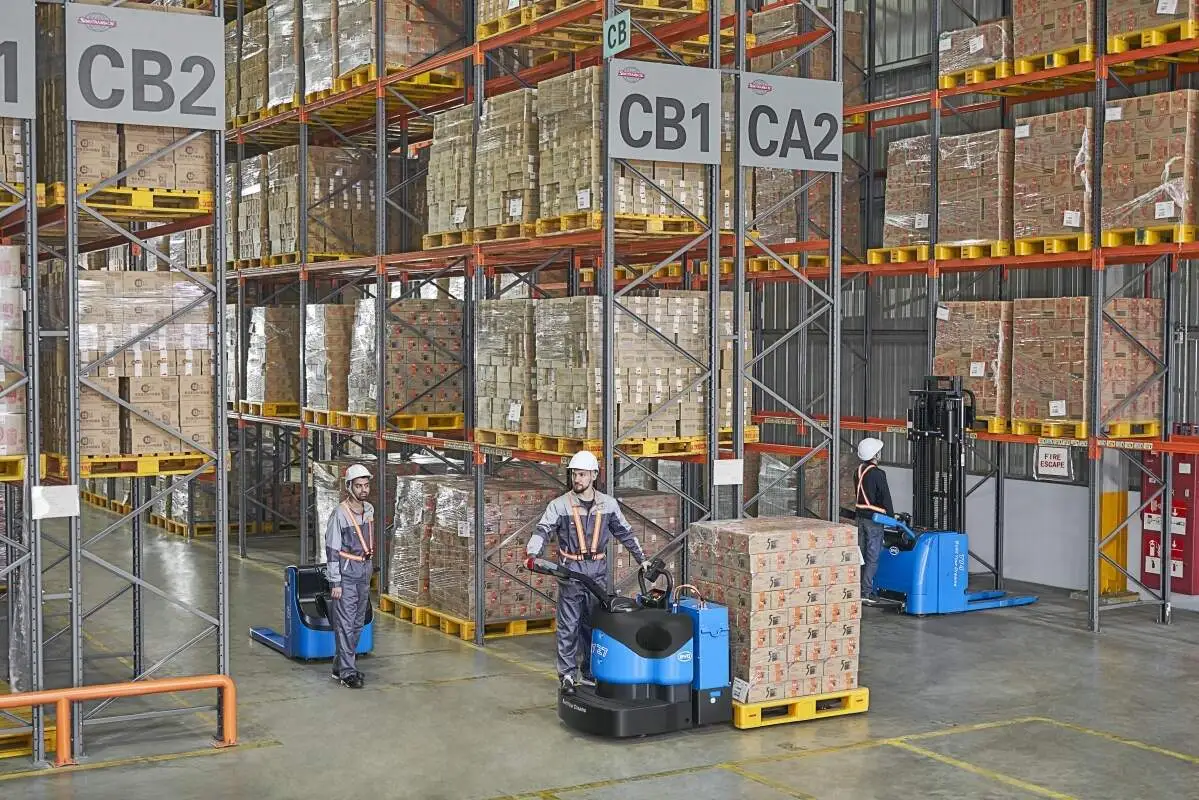
Ride-on lithium forklifts have become common equipment for warehousing and distribution due to their convenient operation, environmental protection and efficiency. Some companies or individuals will turn their attention to the second-hand market for cost control reasons. However, the condition of second-hand equipment varies greatly, and the right choice can meet the demand. The wrong choice may increase the later maintenance cost and even affect the production. Next, let's talk about the precautions for vehicle condition detection when purchasing from several dimensions.
Second-hand seat-driven lithium battery forklift appearance and basic parts inspection. Appearance inspection is the first step. You can first circle the car to check whether there is obvious deformation of the body structure and welding repair marks. If the repair area is large or the location is at the key point of load-bearing, you need to choose carefully. Then check the operating parts of the vehicle, including whether the steering wheel rotates flexibly without a card, whether the stroke of the brake pedal and the accelerator pedal is reasonable, whether the handbrake brake is sensitive and reliable, whether the seat back and armrest adjustment functions are normal, and whether the basic display of the instrument panel is clear. In addition, the degree of tire wear also needs to be paid attention to. Excessive wear of tires not only affects the driving stability, but also incurs additional costs for replacement.
Second-hand ride-on type lithium battery forklift core power components condition inspection. Core power is the key to second-hand ride-on type lithium battery forklift, first check the lithium battery pack. You can check whether the battery pack shell is bulging, damaged, seepage, and whether the battery interface is oxidized and rusted. If conditions permit, you can ask the seller or check the number of charge and discharge cycles of the battery on site. Batteries with too many cycles may have a significant decrease in battery life. Secondly, check the motor and controller to see if the appearance of the two is clean and tidy, whether there are traces of oil accumulation and burning, and whether the wiring is firm. When trying to charge, you can pay attention to whether there is abnormal sound or serious heating during the charging process.
Second-hand ride-on lithium battery forklift use traces and maintenance records verification. The hour table is an important reference for judging the intensity of vehicle use, but it is necessary to pay attention to check whether the hour table has traces of being adjusted. It can be comprehensively judged in combination with tire wear, seat use marks, and the degree of wear of the body pedals. In addition, try to ask the seller to provide the daily maintenance records of the vehicle to know whether the vehicle is maintained on time, which core components have been replaced, and the vehicle with complete maintenance records has a relatively controllable failure rate in the later stage.
The trial operation of the second-hand ride-on type lithium battery forklift verifies the condition of the vehicle. The previous inspection is static, and the dynamic trial operation can better reflect the condition of the vehicle. First, carry out the no-load test, and test whether the forward and backward, steering, lifting, braking and other functions of the vehicle are normal in a flat and open field, and whether there is any abnormal shaking or sound during operation. Then carry out the test of the nominal reasonable load to observe whether the power of the vehicle under the load state is sufficient, whether the lifting speed is smooth, and whether the tires and chassis have obvious signs of deformation. If you are not familiar with the test, it is recommended to find a professional electric forklift inspector to assist to avoid unnecessary losses.


