
 简体中文
简体中文 繁体中文
繁体中文 Deutsch
 日本語
日本語 한국어
한국어 Tiếng Việt
 Русский
 ไทย
ไทย Bahasa Indonesia
 Bahasa Melayu
 Filipino
 لالعربية
 Français

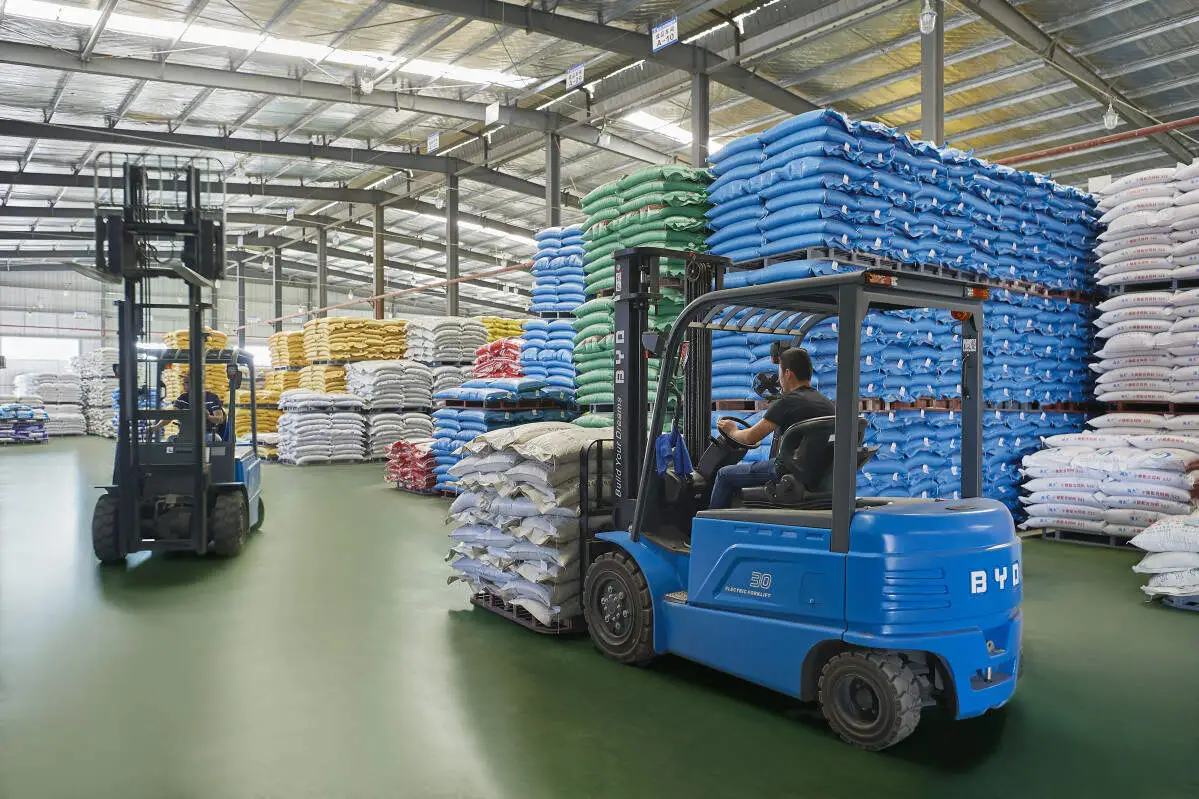
Hygiene compliance requirements are the core prerequisites for the selection of food processing workshops. Electric forklifts need to be made of materials that meet food contact standards, such as stainless steel and other materials that are easy to clean and corrosion-resistant. The body structure should avoid the design of easy to hide dirt and dirt such as gaps and grooves. The welds need to be seamlessly treated to facilitate daily cleaning and disinfection, and prevent the growth of bacteria from contaminating food raw materials or finished products. At the same time, the hydraulic system and battery components of the forklift need to be sealed and protected to avoid leakage of oil or electrolyte from contacting food-related areas.
The requirements for adapting to the workshop environment cannot be ignored. Different types of food processing workshops have different environments. Low-temperature refrigeration workshops need to choose electric forklifts with low-temperature adaptability, and the battery can maintain stable battery life and performance in low-temperature environments. Dust-free workshops require forklifts to have good sealing performance to prevent dust from being generated during the operation of the forklift, which affects the cleanliness of the workshop. Workshops involving flammable and explosive dust need to choose electric forklifts that meet the corresponding explosion-proof grades to avoid safety hazards.
Safety performance is the key to ensure orderly production. In the food processing workshop, the movement lines of personnel and goods cross frequently. Electric forklifts need to be equipped with reliable braking systems and anti-collision warning devices to avoid collisions with personnel or food storage equipment. At the same time, the lifting system of the forklift needs to be stable to prevent the goods from falling and leaking and polluting the food production environment. Some workshop floors may have water or oil stains, and the tires of the forklift need to have good anti-skid performance to ensure stable operation.
The ease of operation and maintenance also needs to be taken into account. Food processing and production are fast-paced, and electric forklifts need to be easy to operate, reducing staff training costs and improving operational efficiency. Daily maintenance needs to be convenient, the modular design of components is convenient for quick maintenance, and the waste and consumables generated during maintenance need to meet environmental protection and food hygiene requirements, and will not cause secondary pollution to the workshop environment.


