
 简体中文
简体中文 繁体中文
繁体中文 Deutsch
 日本語
日本語 한국어
한국어 Tiếng Việt
 Русский
 ไทย
ไทย Bahasa Indonesia
 Bahasa Melayu
 Filipino
 لالعربية
 Français

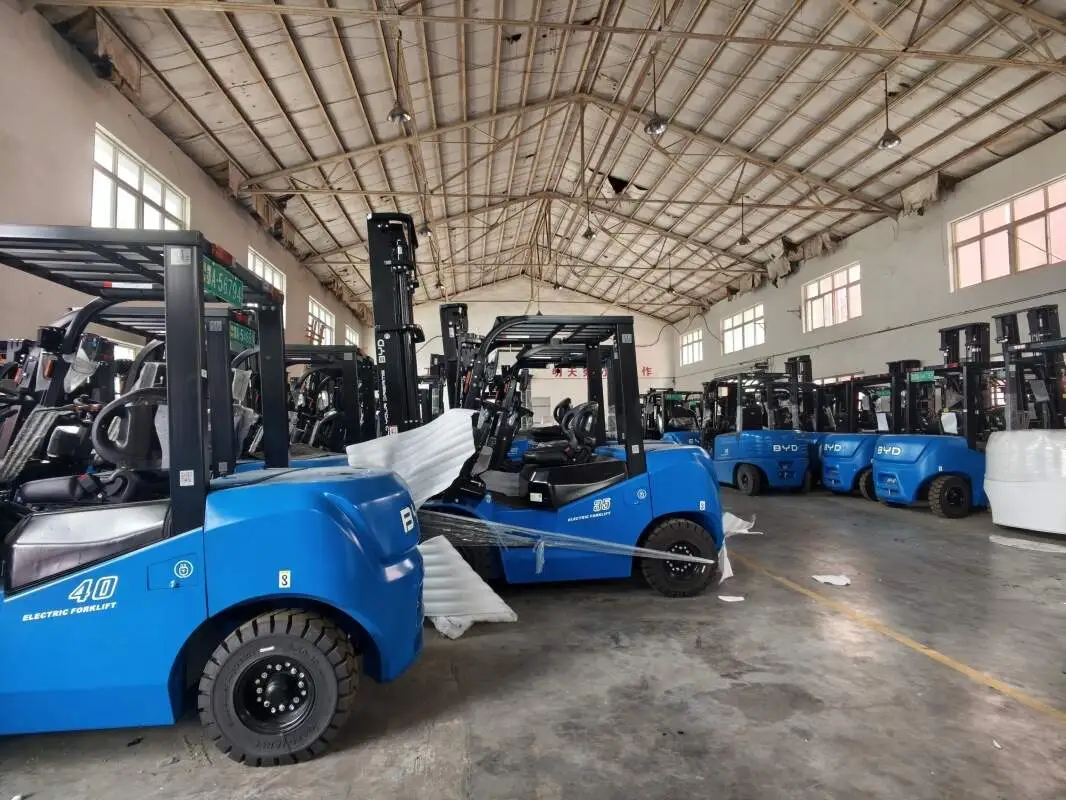
For the balanced heavy lithium battery forklift that plans to export to the European Union market, CE certification is the core entry threshold for the product to enter the market, and the company also needs to meet a series of basic requirements to ensure the smooth compliance of the export process.
Core certification compliance requirements are the first prerequisite for export. Enterprises need to ensure that the CE certification they hold complies with relevant European Union regulations. The scope of certification needs to fully cover the exported counterweight lithium forklift models, and the certificate is within the valid period, and there is no alteration or forgery. In addition, products need to strictly follow the European Union Machinery Directive, Electromagnetic Compatibility Directive and other relevant standards to ensure that the whole process of design and production meets the certification requirements to avoid customs clearance obstruction caused by certification discrepancies.
The technical level of the product needs to meet the basic safety specifications. As a lithium-powered counterweight forklift, the battery system needs to comply with the corresponding lithium battery safety standards of the European Union, with safety devices such as overcharge protection, overdischarge protection, and short circuit protection. At the same time, the packaging and installation of the battery need to meet the mechanical protection requirements. The counterweight structure needs to be professionally measured and tested to ensure the stability of the forklift under full load and no load, and to prevent the risk of rollover. In addition, the forklift's braking system, emergency stop device, protective fence and other safety components need to be fully functional and comply with the European Union machinery safety standards.
Export documents and process preparation need to be meticulous and thorough. In addition to a copy of the CE certification certificate, enterprises need to prepare a multilingual version of the product instruction manual, which should contain key information such as safety operation guidelines and maintenance instructions. At the same time, a European Union compliance statement needs to be issued to clarify that the product complies with relevant regulations and standards. Customs declaration also requires the preparation of commercial invoices, packing lists, bills of lading and other conventional documents to ensure that the information is consistent with the actual product, which is convenient for customs verification.
Follow-up traceability and service requirements cannot be ignored. Enterprises need to establish a complete product production record, covering raw material procurement, production processing, testing and other links, so that European Union regulators can trace the source of products. For export forklifts, they need to have corresponding after-sales technical support capabilities, which can provide European Union customers with repair and maintenance guidance to meet the service requirements of the local market.


