
 简体中文
简体中文 繁体中文
繁体中文 Deutsch
 日本語
日本語 한국어
한국어 Tiếng Việt
 Русский
 ไทย
ไทย Bahasa Indonesia
 Bahasa Melayu
 Filipino
 لالعربية
 Français

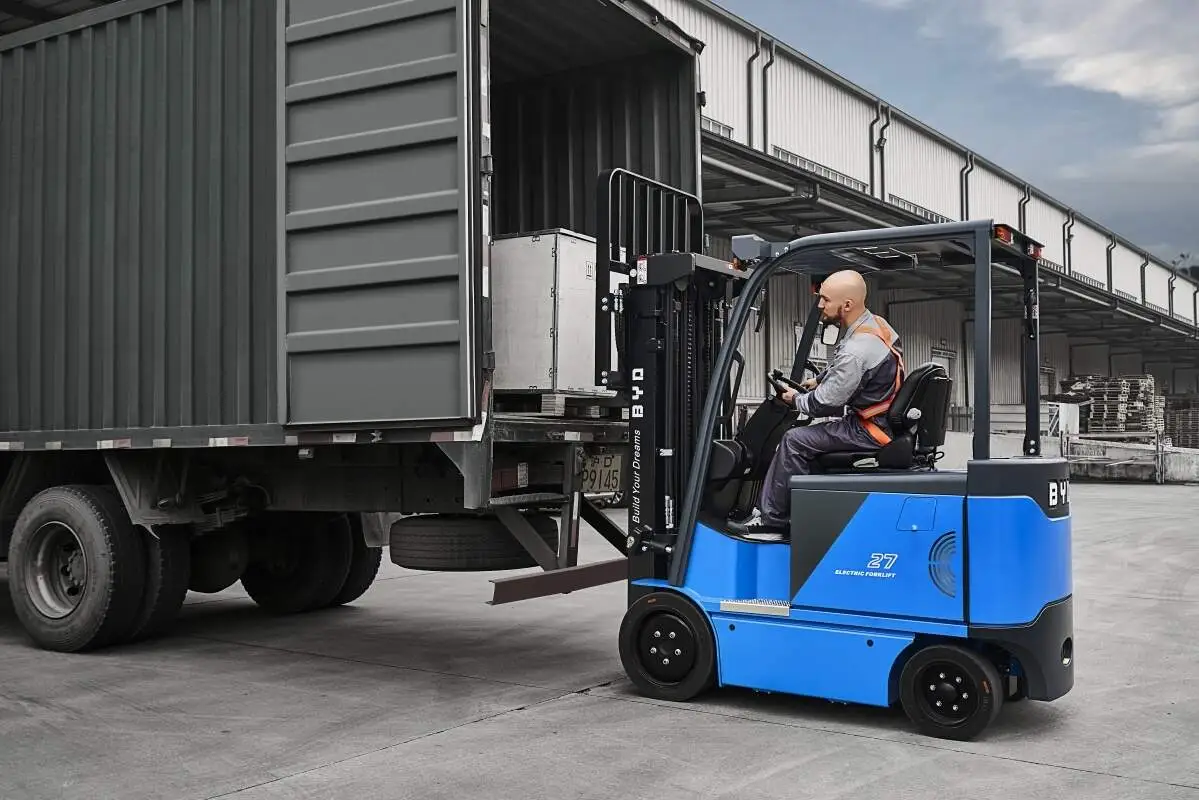
In the workshop logistics operations, lithium-ion forklifts become the main equipment with their environmentally friendly and efficient characteristics, and batteries as core components, their service life is directly related to the operation efficiency of the equipment and the maintenance cost of the enterprise. Understanding the key factors affecting the battery life of lithium-ion forklifts and mastering scientific maintenance skills can effectively prolong the battery service life and avoid unnecessary waste of resources.
Core Factors Affecting the Battery Life of Lithium Battery Forklifts in Workshops
Charging habits are one of the important factors affecting battery life. Frequent overcharging and overdischarging will accelerate the attenuation of active substances inside the battery, which will greatly shorten the service life of the battery in the long run. The ambient temperature cannot be ignored either. Excessive temperature will cause the chemical reaction rate inside the battery to accelerate, causing the electrolyte to evaporate; too low temperature will reduce the battery activity and affect the charging and discharging efficiency, both of which will damage the battery life. In addition, unreasonable operations in daily use, such as long-term heavy-duty operations and frequent emergency stops, will also increase the load of the battery and accelerate the aging of components.
Practical skills for daily maintenance of lithium battery forklift in workshop
Daily cleaning and maintenance is the basic link of maintaining the battery. Regularly wipe the surface of the battery and the connector with a dry soft cloth to avoid dust and electrolyte residues from corroding parts. While keeping the appearance of the battery clean, it can also reduce the occurrence of problems such as poor contact. Charging operations should follow the specifications. Control the charging time according to the equipment instructions to avoid continuous charging for a long time. When charging, try to choose a well-ventilated and suitable temperature environment to avoid charging under high temperature exposure or low temperature and cold conditions. At the same time, pay attention to the use environment of the forklift. Park the forklift in a moderate temperature area during operation to avoid the battery being exposed to extreme temperatures for a long time.
Key points of regular in-depth maintenance
In addition to daily maintenance, regular in-depth maintenance is also essential. Check the firmness of the battery cable every month to ensure that the joint is not loose or corroded. If any abnormalities are found, tighten or deal with them in time to prevent abnormal discharge caused by poor contact. The voltage, internal resistance and other parameters of the battery can be tested every quarter, and the health status of the battery can be judged through the data. Potential problems can be found in time and corresponding measures can be taken. If the forklift needs to be idle for a long time, the battery should be charged to 50% -70% of the power in advance and recharged every 1-2 weeks to avoid damage to the battery due to power loss.
Through the above scientific maintenance methods, it can not only effectively extend the service life of the lithium-ion forklift battery in the workshop, but also ensure the stable operation of the forklift, and continuously empower the logistics operation of the enterprise.


