
 简体中文
简体中文 繁体中文
繁体中文 Deutsch
 日本語
日本語 한국어
한국어 Tiếng Việt
 Русский
 ไทย
ไทย Bahasa Indonesia
 Bahasa Melayu
 Filipino
 لالعربية
 Français

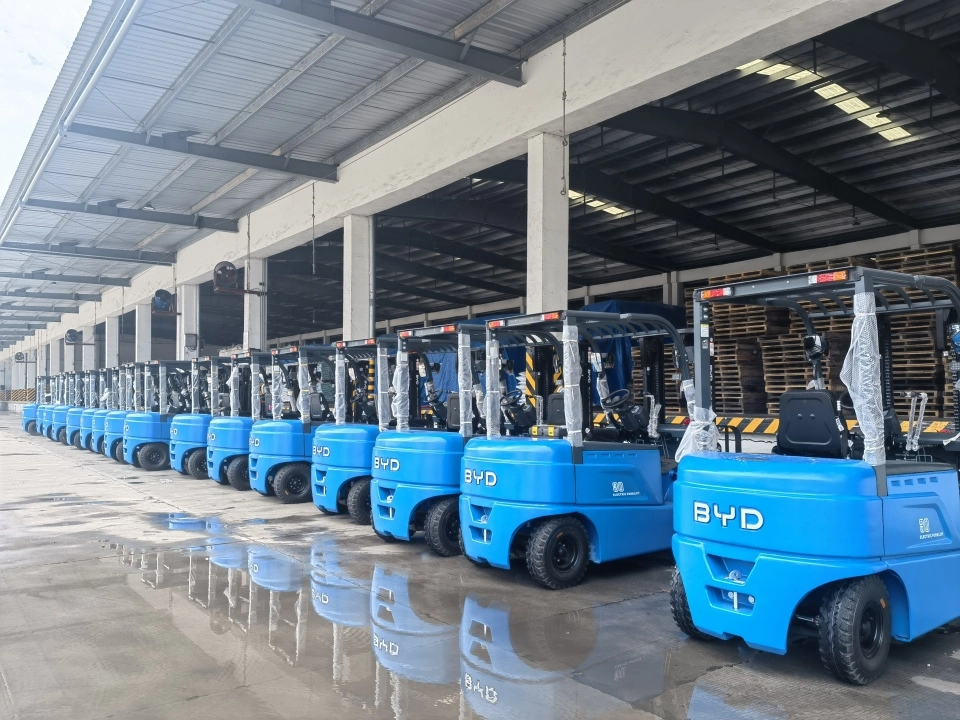
When purchasing a lithium-ion counterbalance forklift in the workshop, a reasonable matching of tonnage and lift height can effectively ensure operation efficiency, reduce equipment loss, and avoid waste of resources. First, it is necessary to clarify the core operating parameters and usage scenarios of the workshop, which is the basis for matching.
The first step is to sort out the average weight and maximum weight of the goods handled in a single time. The average weight determines the upper limit of the efficiency of daily operations to avoid frequent overloading of small-tonnage vehicles or idle power of large-tonnage vehicles. The maximum weight should consider the occasional handling of heavy pallets, whole boxes of goods, etc. Generally, it is recommended to choose the rated tonnage to cover the daily maximum handling needs while reserving a certain safety margin. The reserved safety margin does not need to be too large, usually an increase of 10% to 15% on the basis of the daily maximum handling volume. Excessive margin will increase procurement costs and energy consumption.
The second step is to determine the lifting height according to the lifting needs of the workshop. First measure the height of the top tray of the commonly used shelves, and the occasional maximum height required. The commonly used height determines the main range of daily operations, and the occasional maximum height determines the upper limit of the lifting capacity of the equipment. Make sure that the rated lifting height of the equipment is 150 mm to 200 mm higher than the measured maximum lifting height, and reserve enough safe operating space to prevent the goods from colliding with the top of the shelf. At the same time, the clearance height of the workshop should also be considered. The highest point of the equipment in the lifting state cannot exceed the clearance height of the workshop to avoid potential safety hazards or inability to operate.
In addition to the single handling weight and lifting height, we should also pay attention to the working channel width of the workshop. The channel width will affect the turning radius of the car, which in turn indirectly affects the choice of tonnage. Generally speaking, the turning radius of large tonnage cars is relatively large, and wider channels are required. If the workshop channel width is limited, on the premise of meeting the weight and lifting needs, small wheelbase models can be given priority.
Finally, it is necessary to combine its own budget and long-term use plan to balance procurement costs, energy consumption costs and operational efficiency, and choose the most suitable lithium-ion counterbalance forklift for the workshop.


