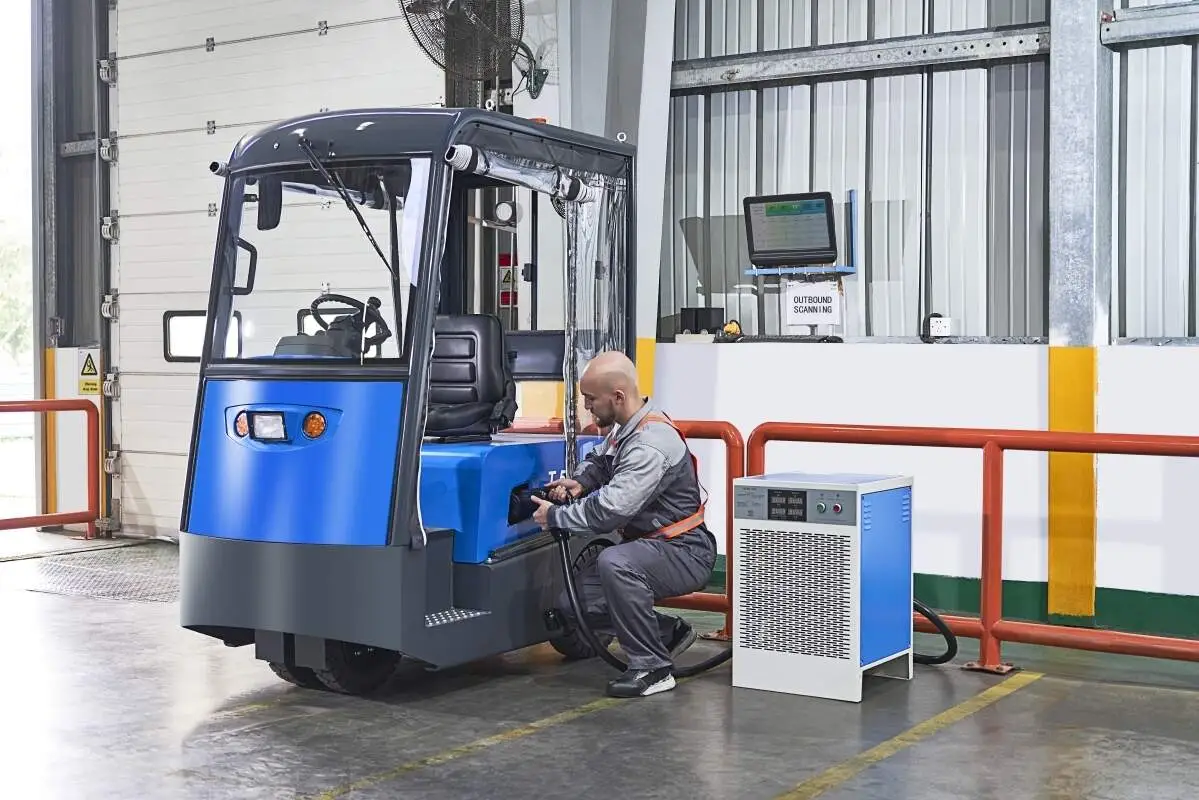
As electric forklifts become increasingly prevalent in industrial warehouses, distribution centers, and manufacturing facilities, the reliability and safety of their power sources—lithium batteries—have taken center stage. Among the international standards governing these batteries, IEC 62619 stands out as a critical framework designed to ensure consistent performance, reduce safety hazards, and support global operational compatibility. This guide explores the key components of IEC 62619, its relevance to forklift lithium batteries, and how businesses can navigate compliance to enhance their material handling operations.
What is IEC 62619?
Developed by the International Electrotechnical Commission (IEC), IEC 62619 is a dedicated standard for secondary lithium-ion batteries used in industrial and stationary applications, excluding portable consumer electronics. Unlike standards focused on small-scale batteries, this regulation addresses the unique demands of high-capacity power systems like those found in electric forklifts, which operate under heavy load cycles, varying environmental conditions, and continuous use. The standard was crafted to unify testing methodologies, safety thresholds, and performance criteria across global markets, eliminating regional disparities that could complicate cross-border operations for businesses.
Core Safety Requirements Under IEC 62619
Safety is the cornerstone of IEC 62619, with a suite of requirements tailored to mitigate the risks associated with lithium battery operation in forklifts. These requirements are structured to address potential failure modes that could lead to accidents, downtime, or equipment damage.
First, electrical safety measures focus on preventing overcharging, over-discharging, and short circuits. The standard mandates that forklift lithium batteries include protective devices that automatically interrupt power flow when voltage or current exceeds specified limits. For example, overcharge protection systems must activate before battery cells reach a voltage level that could cause electrolyte decomposition or thermal runaway. Similarly, over-discharge protection ensures that cells do not drop to a voltage that could result in permanent capacity loss or internal damage.
Mechanical safety requirements are designed to withstand the physical stresses of forklift operation, which includes frequent starts, stops, and movement across uneven surfaces. IEC 62619 specifies testing protocols for impact resistance, vibration tolerance, and crush resistance. Batteries must undergo controlled impact tests to simulate accidental collisions or drops, ensuring that their casings remain intact and internal components do not shift or short circuit. Vibration testing replicates the constant movement of forklifts in industrial settings, verifying that connections and components stay secure over prolonged use.
Thermal safety is another critical component, as lithium batteries are susceptible to thermal runaway if not properly managed. The standard requires temperature monitoring systems that trigger cooling or shutdown mechanisms when battery temperatures rise above safe thresholds. Additionally, batteries must be tested for resistance to external heat sources, such as nearby equipment or environmental conditions, to prevent ignition or explosion. This includes tests where batteries are exposed to elevated temperatures for extended periods to evaluate their thermal stability.
Finally, chemical safety requirements focus on preventing electrolyte leaks, which can cause corrosion, electrical shorts, or environmental harm. IEC 62619 mandates that battery enclosures be sealed to contain electrolyte under normal operating conditions and during minor accidents. Leakage tests involve subjecting batteries to pressure changes or physical stress to ensure that no hazardous fluids escape, protecting both personnel and equipment from potential harm.
Performance Testing Protocols
Beyond safety, IEC 62619 establishes rigorous performance testing protocols to ensure that forklift lithium batteries deliver consistent and reliable power over their lifecycle.
Cycle life testing is a key requirement, measuring how many charge-discharge cycles a battery can undergo before its capacity drops to a specified percentage of its original rating. This testing is conducted under controlled conditions that replicate real-world forklift operation, including varying load levels and charging frequencies. The results help businesses estimate battery lifespan and plan replacement schedules, reducing unexpected downtime.
Charge and discharge efficiency testing evaluates how effectively a battery converts electrical energy into usable power. The standard specifies procedures for measuring efficiency under different operating conditions, such as high-load and low-load scenarios, to ensure that batteries perform optimally across the range of tasks forklifts are required to complete. High efficiency translates to lower energy costs and reduced operational expenses for businesses.
Environmental adaptability testing ensures that batteries can function reliably in the diverse conditions of industrial facilities. This includes testing at extreme temperatures, both high and low, to verify that capacity and performance do not degrade beyond acceptable limits. Humidity testing is also required, as warehouses and distribution centers may have varying moisture levels that could impact battery performance over time. Additionally, some tests evaluate resistance to dust and water, depending on the specific operating environment of the forklift.
Steps to Achieve IEC 62619 Compliance
Navigating IEC 62619 compliance requires a structured approach that begins in the design phase and extends through the entire lifecycle of the battery.
First, businesses should work with battery manufacturers to integrate IEC 62619 requirements into the design of forklift lithium batteries. This includes selecting components that meet the standard’s safety and performance criteria, such as protective circuits and durable enclosures. Early collaboration ensures that batteries are built to comply with the standard from the start, reducing the need for costly modifications later.
Next, third-party testing and certification are essential to verify compliance. Independent testing laboratories accredited by relevant authorities conduct the tests specified in IEC 62619, evaluating safety performance, cycle life, and environmental adaptability. Once a battery passes all tests, it receives certification that confirms its adherence to the standard, which is often required for market access in many countries.
During production, businesses must implement quality control processes to ensure that every battery meets IEC 62619 standards. This includes regular inspections of components, assembly line checks, and batch testing to identify any deviations from the standard. Consistent quality control helps maintain compliance and reduces the risk of defective batteries entering the market.
Finally, ongoing maintenance and monitoring are critical to sustaining compliance throughout the battery’s lifecycle. Regular inspections of battery systems, including checking for damage, monitoring temperature and voltage, and conducting performance tests, can identify potential issues before they escalate. Businesses should also keep detailed records of maintenance activities and test results to demonstrate compliance during audits or inspections.
Practical Benefits of IEC 62619 Compliance
Complying with IEC 62619 offers numerous tangible benefits for businesses that rely on electric forklifts.
First and foremost, compliance reduces safety risks in the workplace. By adhering to the standard’s safety requirements, businesses can minimize the likelihood of battery-related accidents, such as fires, explosions, or electrolyte leaks, protecting both personnel and valuable equipment. This not only creates a safer work environment but also reduces the risk of costly downtime and liability claims.
Compliance also enhances the reliability of electric forklift operations. Batteries that meet IEC 62619 standards are designed to perform consistently under varying conditions, reducing the risk of unexpected failures during critical tasks. This reliability translates to improved productivity, as forklifts can operate without interruptions, ensuring that material handling processes run smoothly.
Additionally, IEC 62619 compliance facilitates global market access. Many countries require that industrial lithium batteries meet international standards like IEC 62619 before they can be sold or used in local operations. By ensuring compliance, businesses can expand their operations across borders without facing regulatory barriers, opening up new opportunities for growth.
Finally, compliance can extend the lifespan of forklift lithium batteries. The standard’s performance testing protocols ensure that batteries are built to withstand the stresses of daily use, reducing wear and tear and extending their operational life. This lowers the total cost of ownership for businesses, as they can replace batteries less frequently and reduce maintenance expenses.
Conclusion
IEC 62619 is a vital standard for ensuring the safety, reliability, and performance of lithium batteries used in electric forklifts. By understanding its core requirements, testing protocols, and compliance processes, businesses can enhance their material handling operations, reduce safety risks, and position themselves for global growth. As electric forklifts continue to play an increasingly important role in industrial logistics, adherence to IEC 62619 will remain a key priority for businesses looking to optimize their operations and ensure long-term success.