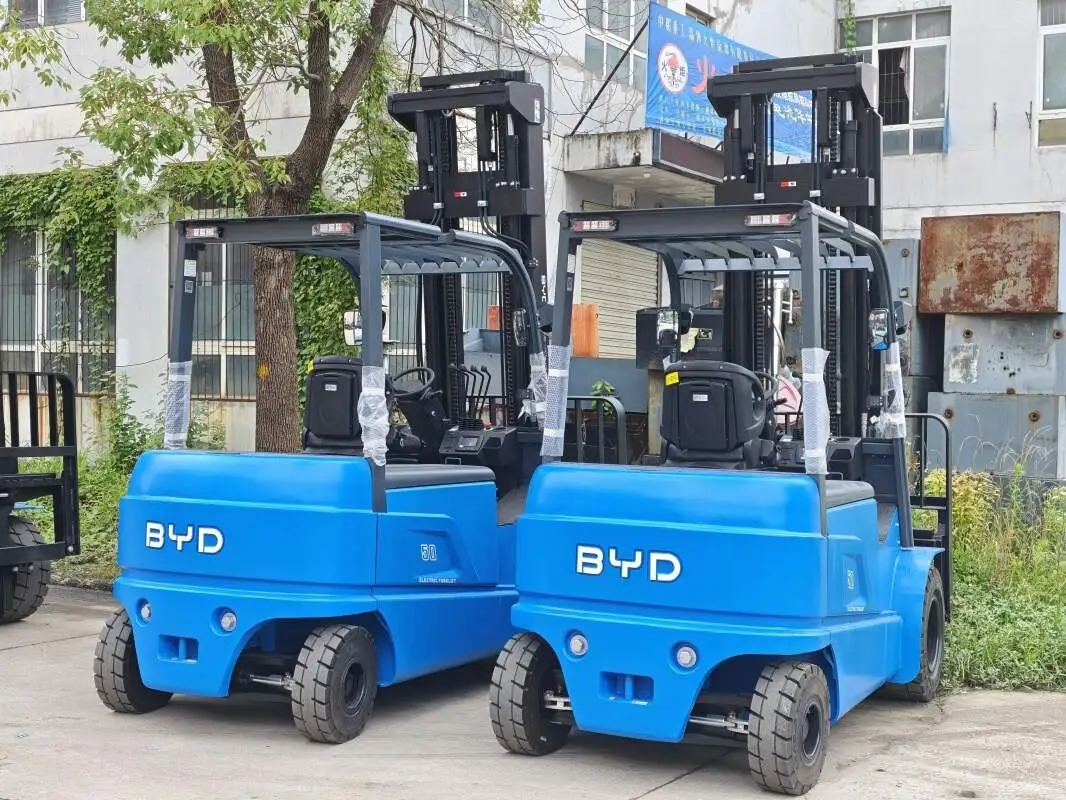
electric forklifts have become a staple in European industrial facilities, from warehouses and distribution centers to manufacturing plants, thanks to their efficiency, low emissions, and versatility. However, their widespread use brings inherent risks, including collisions, electrical hazards, and load-related incidents. To mitigate these risks and ensure a safe working environment, European regulatory bodies have established a comprehensive set of safety standards that all facilities must adhere to. These standards cover every aspect of electric forklift operation, from design and manufacturing to daily use, maintenance, and emergency response. Understanding and implementing these standards is not only a legal obligation but also a critical step in protecting workers, minimizing downtime, and maintaining operational efficiency.
At the core of electric forklift safety in Europe is the EU Machinery Directive 2006/42/EC, which sets out essential health and safety requirements for all machinery placed on the European market. This directive mandates that electric forklifts must undergo rigorous testing to demonstrate compliance before they can be used in any facility. A key component of this compliance is the CE marking, which indicates that the forklift meets all relevant EU safety, health, and environmental protection standards.
In addition to the Machinery Directive, specific European Norm (EN) standards apply directly to electric forklifts. EN 1726-1, for example, outlines safety requirements for electric counterbalance trucks, covering aspects such as structural integrity, braking systems, visibility, and electrical safety. EN 1726-2 focuses on electric reach trucks, addressing unique considerations like mast stability and load handling in narrow spaces. These standards are regularly updated to reflect technological advancements and emerging safety concerns, so facilities must stay informed about the latest revisions to ensure ongoing compliance. Beyond these pan-European regulations, individual European countries may have additional national requirements that align with EU directives but add specific local provisions. For example, some countries mandate more frequent equipment inspections or additional training modules for operators working in high-risk environments such as cold storage facilities or hazardous material warehouses. It is the responsibility of facility managers to research and adhere to both EU-wide and national regulations applicable to their operations.
One of the most critical safety standards for electric forklifts in Europe is the requirement for properly trained and certified operators. According to EU regulations, no individual may operate an electric forklift unless they have completed a formal training program that covers both theoretical and practical components. The theoretical training must include instruction on the principles of electric forklift operation, load capacity calculations, risk assessment, understanding of safety signs and signals, and knowledge of relevant regulations. Practical training, on the other hand, focuses on hands-on skills such as maneuvering in tight spaces, lifting and lowering loads safely, navigating slopes, and performing pre-use inspections.
Training programs must be delivered by qualified instructors who have expertise in electric forklift safety and operation. Upon successful completion of the training, operators receive a certification that is valid across the EU. However, certification is not a one-time requirement; operators must undergo regular refresher training, typically every three to five years, to update their knowledge of new regulations, technological changes, and best practices. Additionally, operators who are assigned to operate a different type of electric forklift (e.g., moving from a counterbalance truck to a reach truck) must complete additional training specific to that equipment.
Regular inspections and maintenance are essential to ensuring the safe operation of electric forklifts in European facilities. EU regulations mandate that operators perform a pre-use inspection before each shift to identify any potential issues that could compromise safety. The pre-use inspection checklist typically includes checking the battery for signs of damage or leakage, testing the brakes and steering systems to ensure they are functioning correctly, inspecting the forks for cracks or wear, verifying that all lights and horn are working, and checking the tires for proper inflation and tread depth. Any defects identified during the inspection must be reported immediately, and the forklift must be taken out of service until repairs are completed by a qualified technician.
In addition to daily pre-use inspections, facilities must implement a preventive maintenance schedule tailored to the specific make and model of each electric forklift. This schedule should include regular servicing by certified technicians, which may involve checking and replacing worn parts, testing electrical systems, and calibrating safety features such as load limiters. All maintenance activities must be documented, including dates, work performed, and the name of the technician, to demonstrate compliance with regulatory requirements. Failure to maintain proper records can result in fines or legal action if an incident occurs.
Even with well-trained operators and properly maintained equipment, safe operation of electric forklifts requires adherence to strict operational protocols. European standards outline several key guidelines to minimize risks during daily use. First and foremost, operators must always adhere to the forklift’s rated load capacity. Overloading can lead to instability, tipping, or damage to the forklift, all of which pose significant safety hazards. Operators should also ensure that loads are properly secured and balanced before lifting, using appropriate attachments if necessary.
When operating the forklift, operators must maintain a safe speed, adjusting for factors such as the weight of the load, the condition of the floor, and the presence of pedestrians. In areas with high foot traffic, facilities should implement designated pedestrian zones and forklift routes to minimize the risk of collisions. Operators must also use horns and lights to alert pedestrians and other equipment operators of their presence, especially when turning corners or entering blind spots. Slope operation is another critical area of focus. Electric forklifts should only be driven on slopes that are within their rated capacity, and operators must follow specific procedures when ascending or descending. When traveling up a slope, the load should be kept facing uphill to maintain stability, while descending, the load should face downhill. Operators should never turn on a slope, as this can cause the forklift to tip over.
Charging areas for electric forklifts also require strict safety protocols. Facilities must provide well-ventilated charging stations to prevent the buildup of potentially explosive gases from lead-acid batteries. Operators must follow proper charging procedures, including disconnecting the battery correctly and avoiding overcharging. Additionally, charging areas should be clearly marked and restricted to authorized personnel only.
Electric forklifts rely on electrical power, which introduces unique safety hazards that must be addressed in compliance with European standards. One key consideration is electrical insulation; forklifts must be equipped with proper insulation to prevent electric shocks to operators. Regular inspections of electrical components, including wiring and connectors, are essential to identify any signs of wear or damage that could compromise insulation. Facilities must also consider the environmental impact of electric forklift operation, particularly when using lead-acid batteries. European regulations require proper handling and disposal of batteries to prevent environmental contamination. Used batteries must be recycled by authorized facilities that comply with EU waste management regulations. In addition, noise pollution is a concern in many industrial facilities. European standards set limits on the noise levels produced by electric forklifts, and facilities must ensure that their equipment meets these limits to protect workers from hearing damage. If noise levels exceed regulatory limits, facilities may need to implement additional measures such as sound barriers or provide hearing protection for workers.
Despite strict adherence to safety standards, incidents can still occur. European regulations require facilities to have a comprehensive emergency response plan in place to handle forklift-related incidents effectively. The emergency plan should include procedures for dealing with forklift fires, which can be particularly dangerous due to the risk of battery explosions. Facilities should have appropriate fire extinguishers designed for electrical fires readily available near forklift operating areas. In the event of a battery leak, operators must know how to contain the leak and dispose of any contaminated material safely.
First aid procedures are also a critical component of the emergency plan. Facilities should have trained first aid personnel on site and ensure that first aid kits are easily accessible in forklift operating areas. Operators should be trained to provide basic first aid in the event of an injury, such as cuts or crush injuries. In the event of an incident, facilities are required to report it to the relevant national regulatory body, depending on the severity of the incident. Incident reports must include details such as the date and time of the incident, the cause, any injuries or damage sustained, and the actions taken to prevent similar incidents from occurring in the future. Facilities must also conduct a thorough investigation to identify the root cause of the incident and implement corrective measures to address any gaps in their safety protocols.
Adhering to essential safety standards for electric forklifts in European industrial facilities is a multifaceted responsibility that requires commitment from facility managers, operators, and maintenance personnel. From complying with EU regulations and national requirements to ensuring proper training, regular maintenance, and strict operational protocols, every aspect of forklift operation must be aligned with safety best practices. By prioritizing safety, facilities can protect their workers from harm, avoid costly fines and downtime, and maintain a productive and efficient working environment. As technology continues to evolve and regulations are updated, it is essential for facilities to stay informed and adapt their safety protocols to ensure ongoing compliance and the highest level of safety for all personnel.