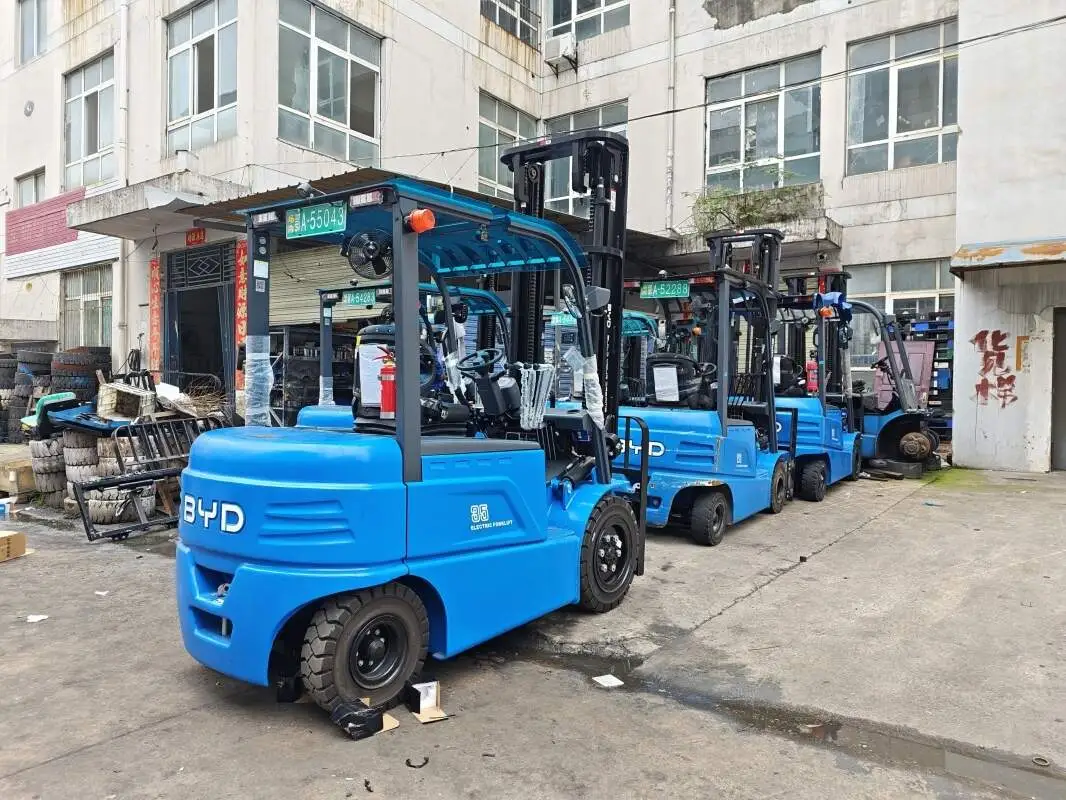
The European Union’s commitment to reducing greenhouse gas emissions and improving air quality has led to stringent regulations governing non-road mobile machinery, including forklifts used in warehouses, distribution centers, and industrial sites. While electric forklifts are widely recognized as a low-emission alternative to their diesel-powered counterparts, ensuring an entire fleet complies with EU emission rules requires more than just choosing electric models. From understanding the regulatory framework to implementing proactive maintenance and operational strategies, businesses must take a holistic approach to meet compliance standards and support sustainable operations. This guide outlines key steps to help you align your electric forklift fleet with EU emission regulations, minimizing environmental impact while avoiding potential penalties and operational disruptions.
To ensure compliance, the first step is to familiarize yourself with the specific EU regulations that apply to electric forklift fleets. The primary framework governing non-road mobile machinery is the EU Stage V emissions standard, which sets limits for exhaust pollutants from combustion engines. Unlike diesel forklifts, electric forklifts produce no tailpipe emissions, so they automatically meet the zero-emission requirements of Stage V for exhaust pollutants. However, compliance extends beyond tailpipe emissions to other aspects of the vehicle’s lifecycle and operation.
In addition to Stage V, the EU’s Ecodesign Directive sets minimum energy efficiency requirements for a range of products, including forklifts. This directive aims to reduce energy consumption and associated greenhouse gas emissions by improving the design and performance of electric forklifts. Compliance with the Ecodesign Directive involves ensuring that your forklifts meet specified energy efficiency criteria, such as reduced power consumption during operation and standby modes.
Furthermore, businesses must adhere to regulations related to battery disposal and recycling. The EU’s Battery Regulation mandates proper collection, treatment, and recycling of lithium-ion and other types of batteries used in electric forklifts. This includes ensuring that old batteries are not sent to landfill and that recycling processes recover valuable materials, reducing the environmental impact of battery production and disposal.
It is also important to ensure that all electric forklifts in your fleet carry the CE marking, which indicates that the product meets EU health, safety, and environmental protection standards. Without the CE marking, forklifts cannot be legally used within the EU, so verifying this certification for each vehicle is a critical compliance step.
Even though electric forklifts have fewer moving parts than diesel models, regular maintenance is essential to ensure they operate efficiently and remain compliant with EU regulations. A well-structured maintenance program not only extends the lifespan of your forklifts but also reduces energy consumption, which in turn lowers the indirect greenhouse gas emissions associated with charging.
Battery maintenance is a key component of electric forklift upkeep. Lithium-ion and lead-acid batteries require specific care to maintain their performance and longevity. For lead-acid batteries, this includes regularly checking electrolyte levels, cleaning terminals to prevent corrosion, and ensuring proper charging cycles to avoid overcharging or undercharging. For lithium-ion batteries, it is important to monitor temperature during charging and operation, as extreme temperatures can reduce battery life and increase energy loss. Implementing a battery management system can help track battery health, optimize charging schedules, and identify potential issues before they lead to costly replacements.
In addition to battery care, routine inspections of the forklift’s mechanical and electrical components are necessary. This includes checking the motor, control systems, brakes, tires, and steering mechanisms. Worn tires, for example, can increase rolling resistance, leading to higher energy consumption. Regularly replacing tires and ensuring proper inflation can help maintain efficient operation. Similarly, inspecting the motor and control systems for signs of wear or damage ensures that the forklift operates at peak efficiency, reducing unnecessary energy use.
Scheduling regular professional servicing is also recommended. Qualified technicians can perform comprehensive checks, identify hidden issues, and ensure that all components are functioning as intended. Keeping detailed records of maintenance activities is not only helpful for tracking fleet performance but also provides evidence of compliance in the event of an audit.
While electric forklifts produce no tailpipe emissions, the environmental impact of their operation depends heavily on the source of the electricity used for charging. To fully align with EU emission rules, businesses must take steps to minimize the carbon footprint of their charging infrastructure.
One of the most effective ways to reduce indirect emissions is to use renewable energy sources for charging. Installing solar panels at your warehouse or distribution center allows you to generate clean electricity on-site, reducing reliance on grid power that may come from fossil fuels. Many EU member states offer incentives for businesses to invest in renewable energy systems, making this a cost-effective option for long-term sustainability.
If on-site renewable energy is not feasible, you can opt for green energy tariffs from your utility provider. These tariffs ensure that the electricity you purchase comes from renewable sources such as wind, solar, or hydroelectric power. By choosing green energy, you can significantly reduce the carbon emissions associated with charging your electric forklift fleet.
Implementing smart charging systems is another key strategy. Smart chargers can automatically adjust charging times to take advantage of periods when grid electricity has a lower carbon intensity, such as during nighttime when demand is lower and more renewable energy is available. Additionally, smart charging can prevent overcharging, which not only extends battery life but also reduces energy waste.
Proper maintenance of charging infrastructure is also important. Regularly inspecting charging stations for damage, ensuring that cables are in good condition, and cleaning connectors can help maintain efficient charging and reduce energy loss. Faulty charging equipment can lead to inefficient energy transfer, increasing both operational costs and indirect emissions.
EU regulations require businesses to monitor and report their greenhouse gas emissions, including those associated with electric forklift operations. Establishing a system to track emissions data is essential for demonstrating compliance and identifying areas for improvement.
Start by calculating the indirect emissions from charging your forklift fleet. This involves measuring the amount of electricity used for charging and multiplying it by the carbon intensity of the electricity source. For example, if you use grid power with a carbon intensity of 0.3 kg CO2 per kWh, and your fleet uses 10,000 kWh of electricity per month, your monthly indirect emissions would be 3,000 kg CO2.
Many businesses also choose to track the lifecycle emissions of their electric forklifts, including emissions from battery production, manufacturing, and disposal. While these emissions are not directly regulated under EU Stage V, they are important for meeting broader sustainability goals and reporting requirements such as the EU Corporate Sustainability Reporting Directive (CSRD).
Once you have collected emission data, it is important to maintain accurate records and report this information as required. Depending on the size of your business, you may need to include this data in your annual sustainability report or submit it to relevant regulatory bodies. Regularly reviewing emission data can also help you identify trends and implement strategies to reduce emissions over time. For example, if you notice that charging during peak hours leads to higher carbon intensity, you can adjust your charging schedule to use more clean energy.
The way electric forklifts are operated has a significant impact on their energy efficiency and associated emissions. Training operators to use forklifts in an efficient and compliant manner is therefore a critical step in ensuring fleet compliance with EU emission rules.
Operator training should cover basic best practices for energy-efficient operation. This includes avoiding unnecessary acceleration and deceleration, which can increase energy consumption. Operators should also be trained to maintain a steady speed and avoid idling, as even short periods of idling can waste energy. Additionally, proper load handling techniques, such as ensuring that loads are balanced and not overloaded, can reduce energy use and prevent unnecessary wear on the forklift’s components.
Training should also include guidance on proper charging procedures. Operators should know how to connect and disconnect chargers safely, how to monitor charging progress, and how to identify signs of battery issues. Proper charging not only extends battery life but also ensures that the forklift is ready for use when needed, reducing operational downtime.
Furthermore, operators should be educated about the importance of compliance with EU emission regulations. This includes understanding the consequences of non-compliance, such as fines or operational restrictions, and how their daily actions contribute to meeting compliance goals. Regular refreshers and ongoing training can help reinforce these practices and ensure that operators stay up to date with the latest requirements.
Ensuring that your electric forklift fleet meets EU emission rules requires a comprehensive approach that combines regulatory knowledge, proactive maintenance, optimized charging infrastructure, emission tracking, and operator training. By taking these steps, businesses can not only avoid penalties and ensure legal compliance but also reduce their environmental impact, improve operational efficiency, and enhance their reputation as sustainable organizations. As the EU continues to strengthen its environmental regulations, investing in compliance today will help businesses stay ahead of future requirements and support the transition to a low-carbon economy.