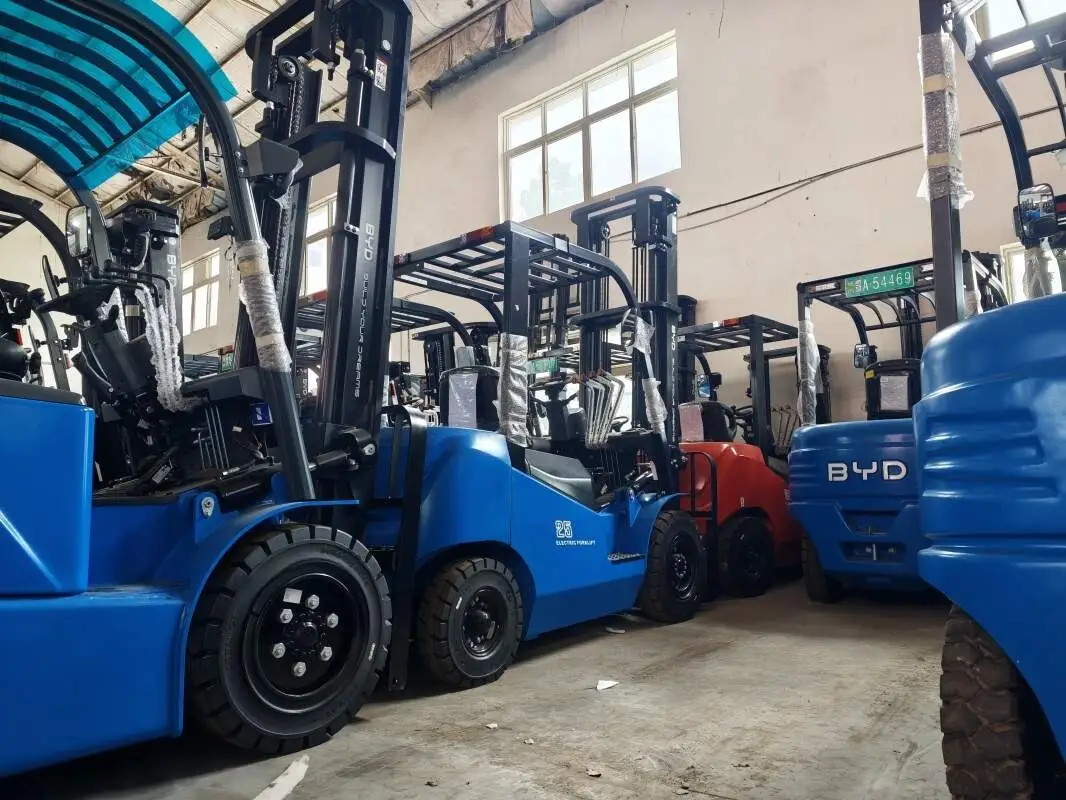
Operating forklifts outdoors presents unique challenges that differ from indoor warehouse settings, including uneven terrain, variable weather conditions, and increased exposure to dust and debris. To ensure safe, efficient, and long-lasting performance, forklift operators and managers need to implement targeted adaptation strategies tailored to these outdoor environments.
One of the primary considerations for outdoor forklift operation is adjusting to rough or uneven terrain. Forklifts designed for indoor use may struggle on gravel, dirt, or sloped surfaces, so it’s critical to assess the terrain before deployment. For mild unevenness, checking and adjusting tire pressure can improve traction—lower pressure increases the tire’s contact area, enhancing stability on soft ground. For more challenging terrains, ensuring the forklift is equipped with appropriate tires, such as heavy-duty, deep-tread options, can prevent slippage and reduce wear. Additionally, operators should reduce travel speed when navigating uneven surfaces, maintain a wider turning radius, and avoid sudden acceleration or braking to minimize the risk of tipping.
Weather conditions can significantly impact forklift performance and safety. In rainy or snowy environments, wet surfaces increase the risk of skidding, so operators should slow down and increase following distances from other vehicles. It’s also important to inspect brake systems regularly, as moisture can reduce braking efficiency. For hot, sunny conditions, protecting the forklift’s electrical components from direct sunlight can prevent overheating and malfunctions. Covering the operator’s cabin with a sunshade can improve comfort and reduce fatigue, allowing operators to maintain focus. In cold weather, preheating the engine before operation ensures smooth startup, and using winter-grade fuel prevents fuel line freezing.
Outdoor exposure accelerates wear and tear on forklift components, so a robust maintenance routine is essential. Regularly cleaning the forklift to remove dust, mud, and debris prevents buildup in critical parts like the engine, brakes, and hydraulic systems. Inspecting fluid levels—including oil, coolant, and hydraulic fluid—on a daily basis ensures the forklift operates smoothly. It’s also important to check for rust and corrosion, especially on metal components exposed to moisture, and apply protective coatings as needed. Scheduling periodic professional inspections can identify potential issues before they escalate, reducing downtime and extending the forklift’s lifespan.
Proper operator training is a cornerstone of safe outdoor forklift operation. Operators should receive specialized training on outdoor-specific hazards, such as terrain-related risks, weather impacts, and visibility challenges. They should be trained to conduct pre-operation inspections, checking for tire damage, brake functionality, and fluid leaks. Additionally, teaching operators to read and understand outdoor environment cues—like changing weather patterns or unstable terrain—helps them make informed decisions to avoid accidents. Regular refresher courses can reinforce best practices and keep operators updated on new adaptation techniques.
By implementing these adaptation tips, businesses can optimize forklift performance in outdoor settings, reduce the risk of accidents, and extend the equipment’s lifespan. Whether navigating rough construction sites, loading docks exposed to the elements, or storage yards with uneven ground, taking proactive steps to adapt forklifts to outdoor conditions ensures safe and efficient operations year-round.