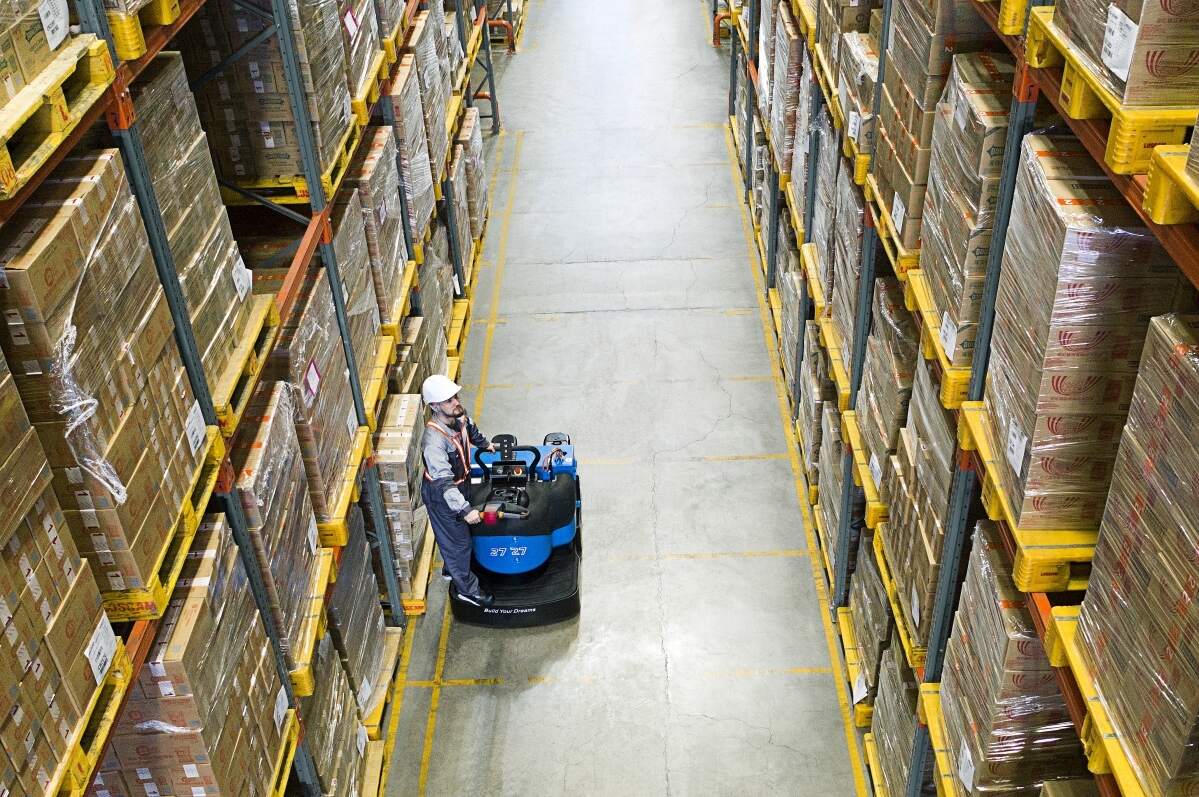
forklift-compatible lift straps play a critical role in safe and efficient heavy object handling across industrial settings, warehouses, and construction sites. These specialized straps are designed to work seamlessly with forklifts, helping distribute load weight evenly and reduce the risk of damage to both the load and equipment. Following proper application notes is essential to maintain workplace safety, comply with industry standards, and optimize operational performance.
Selection Guidelines
When choosing forklift-compatible lift straps, start by matching the strap’s working load limit (WLL) to the weight of the object being lifted. Always select a strap with a WLL that exceeds the load’s total weight to account for unexpected stresses. Material selection is also key: polyester straps offer excellent resistance to UV rays and moisture, making them suitable for outdoor use, while nylon straps provide superior shock absorption for fragile or uneven loads. Additionally, ensure the strap length is appropriate for the load size and forklift configuration, avoiding straps that are too short to secure the load properly or too long that they risk tangling during operation.
Pre-Use Inspection
A thorough pre-use inspection is non-negotiable before each lift. Begin by checking the strap for visible signs of damage, such as fraying, cuts, tears, or worn stitching. Pay close attention to areas that come into contact with sharp edges or heavy pressure. Verify that the strap’s WLL and manufacturer’s markings are legible and intact; faded or unreadable markings mean the strap should not be used. Also, inspect any hardware attached to the strap, such as hooks or buckles, for cracks, bending, or corrosion. If any damage is detected, remove the strap from service immediately to prevent lift failures.
Proper Attachment Techniques
Correctly attaching lift straps to the forklift and load is crucial for stability. Position the straps around the load at balanced points to ensure even weight distribution, avoiding off-center lifts that can cause the load to shift or tip. When securing the straps to the forklift’s lifting points, ensure they are properly seated and not twisted, as twisted straps can reduce load-bearing capacity and increase wear. For loads with sharp edges, use edge protectors to prevent the strap from being cut or damaged during lifting. Never wrap straps around sharp corners without protection, as this can compromise the strap’s integrity.
Operational Best Practices
During lifting operations, maintain slow and steady movements with the forklift to avoid sudden jolts that can strain the straps or destabilize the load. Keep the load as low as possible while transporting to minimize swaying, and avoid turning or maneuvering at high speeds. Ensure that no personnel are standing near the load or in the path of the forklift during lifting and transport, as falling objects or shifting loads pose serious safety risks. Communicate clearly with any ground personnel using hand signals or two-way radios to coordinate movements safely.
Post-Use Care
After completing a lift, properly clean and store the lift straps to extend their lifespan. Remove any dirt, debris, or moisture from the strap using a mild detergent and water, then allow it to air dry completely before storage. Avoid storing straps in areas exposed to direct sunlight, extreme temperatures, or chemicals, as these can degrade the material over time. Store straps in a cool, dry location, hanging them or rolling them loosely to prevent creases or kinks that can weaken the fabric.
By following these application notes, operators can ensure the safe and effective use of forklift-compatible lift straps for heavy object handling. Adhering to selection, inspection, attachment, and maintenance guidelines not only protects personnel and equipment but also enhances overall operational efficiency in industrial and warehouse environments.