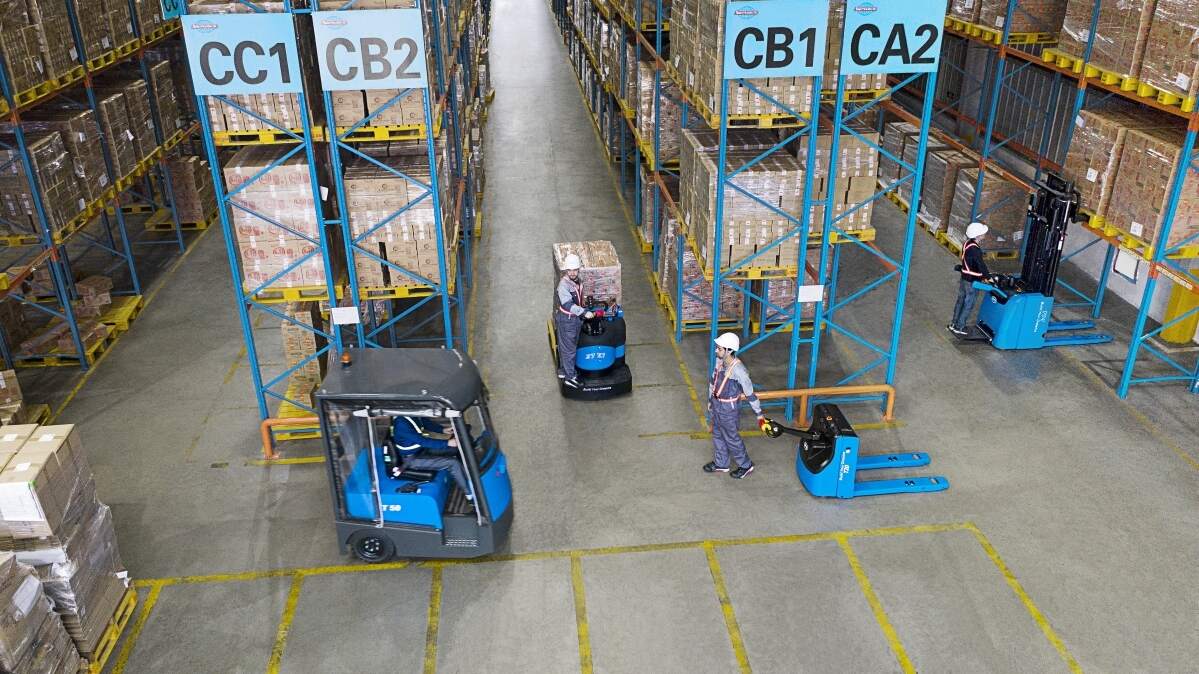
Retail operations depend on smooth inventory flow and timely goods movement to meet customer demand, especially amid fluctuating foot traffic and seasonal peaks. forklift equipment, once confined to off-site warehouses, has evolved into a vital tool within retail store premises, tailored to diverse layouts and operational needs. Below are real-world deployment cases that illustrate how forklifts optimize workflows while prioritizing safety and customer experience.
Large-format grocery stores often face the challenge of replenishing shelf stock efficiently without disrupting shoppers. In these settings, forklifts are deployed in backroom storage areas during non-peak hours—such as early mornings or late evenings—to move full pallets of goods from delivery docks to staging zones. Trained operators then use forklifts to transfer smaller batches to replenishment carts, cutting down manual labor time by up to 40% compared to hand-only handling. Strict safety protocols, including marked forklift lanes and barrier separators between storage and customer areas, ensure shoppers remain unharmed during operations. This deployment reduces stockout rates and ensures popular items are consistently available on sales floors.
Warehouse-style retail outlets, which combine storage and sales spaces, leverage forklifts for cross-floor inventory transfers. During promotional periods, when demand for bulk items surges, forklifts work in tandem with cargo elevators to move pallets of goods from upper-level storage to ground-floor sales zones. This eliminates the need for multiple staff members to carry heavy items, reducing the risk of workplace injuries and speeding up restocking by 30%. Operators are trained to navigate narrow aisles and avoid customer foot traffic, with motion sensors installed on forklifts to alert nearby shoppers and staff.
For specialty retail chains with limited backroom space, compact electric forklifts are the ideal solution. These smaller models can maneuver through narrow corridors between storage areas and sales floors, making them suitable for clothing, electronics, and home goods stores. Deployed during slow business hours, they move small pallets of new inventory or restock high-demand items without blocking customer pathways. The quiet operation of electric forklifts also ensures they do not disrupt the shopping atmosphere, a key consideration for customer-centric retail environments.
Across all deployment cases, safety and space optimization remain top priorities. Retailers invest in regular operator training, mandatory safety certifications, and routine forklift maintenance to prevent accidents. They also conduct layout assessments to identify optimal forklift routes, ensuring minimal overlap with customer areas. By aligning forklift deployment with store-specific needs, retailers can reduce labor costs, improve inventory turnover, and maintain a seamless shopping experience for their customers. These cases prove that forklifts are not just warehouse tools—they are versatile assets that drive efficiency in modern retail operations.