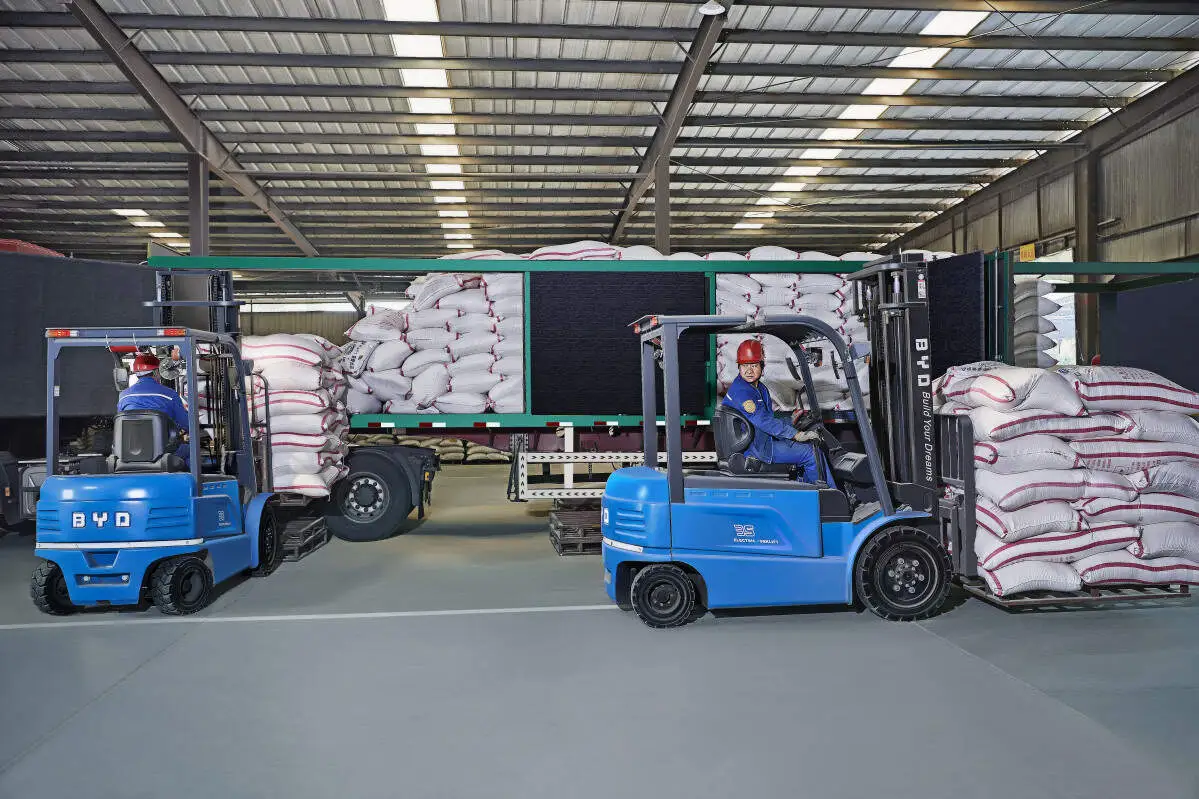
Short-term forklift rentals offer flexibility for businesses needing temporary material handling solutions, but understanding the variables that drive their costs is crucial for budgeting effectively. Several key factors play a significant role in determining the final expense of these rental arrangements.
The type of forklift selected is one of the most impactful variables. Forklifts come in various configurations, such as counterbalance, reach, and pallet jacks, each designed for specific tasks. Larger capacity forklifts, capable of lifting heavier loads, typically command higher rental rates than smaller, lighter models. Additionally, power sources matter—electric forklifts, ideal for indoor use due to lower emissions, may have different pricing compared to internal combustion engine forklifts suited for outdoor applications, based on maintenance and operational requirements.
Rental duration directly influences pricing structures. Generally, longer rental periods, such as weekly or monthly agreements, offer lower daily rates compared to short-term daily rentals. Suppliers often provide volume discounts for extended rentals, as it reduces their downtime between clients and streamlines scheduling. Conversely, last-minute or same-day rentals may incur premium charges due to logistical challenges of accommodating urgent requests.
Specific usage demands can also affect rental costs. If a business requires a forklift operator to be included with the rental, this will add to the overall expense, as labor costs are factored in. Operating conditions are another consideration—forklifts needed for specialized environments like cold storage facilities or outdoor construction sites may require modified features, such as insulated components or rugged tires, which increase the rental price. High-intensity usage, involving long hours or heavy daily loads, might also lead to additional fees to cover accelerated wear and tear.
Geographical location plays a role in rental pricing. Areas with high demand for forklifts, such as industrial hubs or regions with active construction projects, may have higher rates due to limited availability. Conversely, regions with surplus equipment may offer more competitive pricing. Additionally, delivery and pickup costs can vary based on the distance between the supplier’s location and the rental site, adding to the total expense if these services are included.
Extra services provided by the rental supplier can impact the final cost. Services like routine maintenance, emergency repairs, and insurance coverage are often optional but can add significant amounts to the rental fee. Some suppliers include basic maintenance in their standard packages, while others charge separately. Similarly, opting for extended warranty coverage or on-site support will increase the overall expense but may provide peace of mind for businesses relying on the forklift for critical operations.
By understanding these key variables, businesses can make informed decisions when arranging short-term forklift rentals, ensuring they select the right equipment and terms that align with their budget and operational needs. Taking the time to evaluate each factor allows for more accurate budgeting and avoids unexpected costs throughout the rental period.