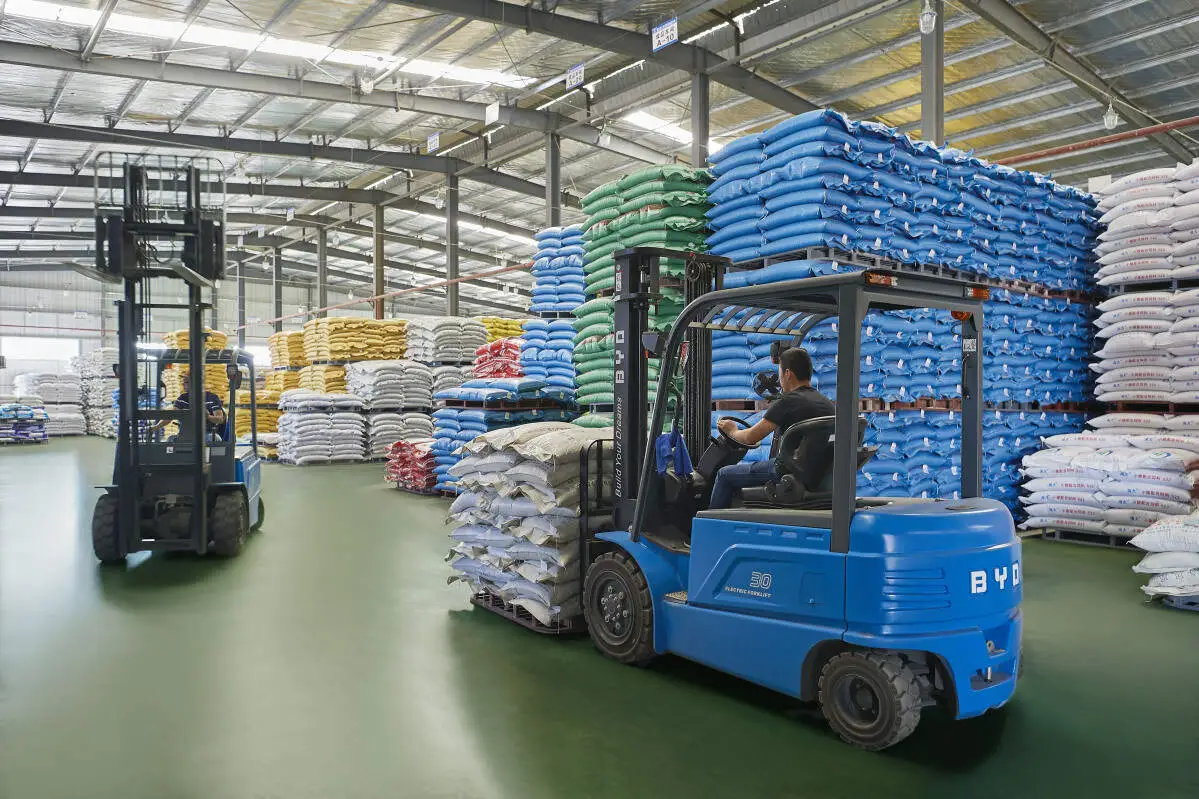
In modern manufacturing plants, smooth internal material flow is the backbone of operational efficiency, directly impacting production cycles and overall output. For decades, internal material handling relied heavily on internal combustion forklifts, but shifting industry demands and evolving environmental standards have pushed electric forklifts to the forefront of material handling solutions.
One of the most significant advantages of electric forklifts lies in their eco-friendliness and compliance with regulatory standards. Unlike their fuel-powered counterparts, electric forklifts produce zero tailpipe emissions, making them ideal for indoor operations where air quality is critical for worker health. This zero-emission performance helps manufacturing plants meet strict environmental regulations, reducing the risk of non-compliance penalties while creating a cleaner, safer work environment for employees.
Operational efficiency is another key benefit of electric forklifts. These vehicles operate with lower noise levels, minimizing workplace distractions and allowing teams to communicate more effectively during material handling tasks. Their smooth acceleration and precise control enable faster and more accurate movement of materials, reducing wait times at production lines and storage areas. With advanced battery technologies, modern electric forklifts can support multi-shift operations with quick charging or battery swapping options, ensuring minimal downtime and continuous material flow.
When it comes to long-term cost management, electric forklifts offer notable advantages. They have fewer moving parts compared to internal combustion models, reducing the frequency of maintenance needs and associated costs. There is no need for oil changes, filter replacements, or tune-ups related to fuel systems, cutting down on both maintenance time and expenses. Additionally, electricity is generally more cost-stable than fossil fuels, providing manufacturing plants with predictable operational costs over the lifespan of the equipment.
Safety is a top priority in manufacturing environments, and electric forklifts contribute to a safer workplace in multiple ways. The absence of toxic fumes eliminates the risk of carbon monoxide poisoning, especially in enclosed spaces. Their quiet operation reduces worker fatigue from constant noise exposure, helping maintain focus during critical handling tasks. Electric forklifts also tend to have a lower center of gravity, improving stability and reducing the risk of tip-overs, while precise controls make them easier to maneuver in narrow production aisles.
As manufacturing plants increasingly adopt smart logistics and automated systems, electric forklifts integrate seamlessly with these modern setups. Their compatibility with warehouse management systems and automated guided vehicle (AGV) technologies allows for more streamlined, data-driven material handling processes. Whether navigating tight spaces between production lines or moving heavy loads across large warehouses, electric forklifts adapt to diverse internal material flow needs with versatility.
At尖树新能源, we specialize in providing high-quality electric forklift solutions tailored to manufacturing plant requirements. Our offerings include reliable models designed to support efficient internal material handling, with professional support to help you select, maintain, and operate your equipment effectively. For more information about how electric forklifts can optimize your plant’s material flow, reach out to us at 17399989919@163.com.