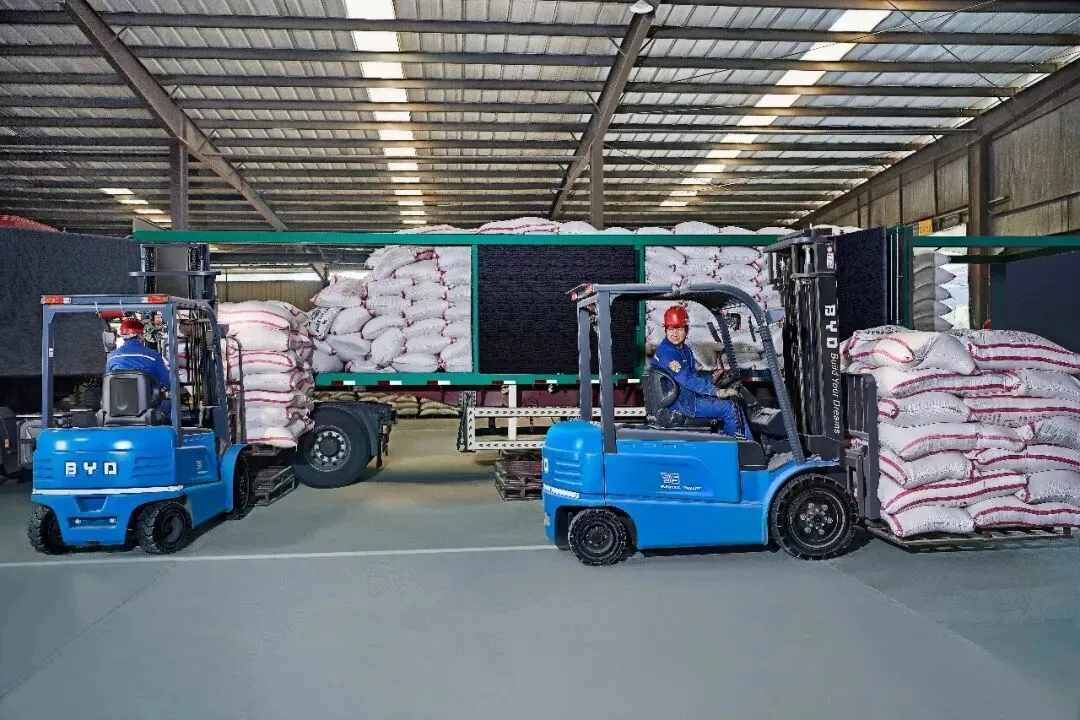
Bulk bag lifter forklift attachments are designed to streamline the handling of large bulk bags, commonly used in industries like agriculture, construction, and manufacturing. Proper operation and adherence to load safety protocols are critical to prevent equipment damage, workplace injuries, and ensure efficient material movement. Below are comprehensive operational procedures and essential load notes for using these attachments.
Before using the bulk bag lifter attachment, conduct a thorough pre-operation inspection to ensure it is in safe working condition. Examine all connection points between the attachment and the forklift to confirm they are secure and free from corrosion or excessive wear. Check the lifting hooks, straps, or clamps for signs of fraying, cracks, or deformation. Verify that all control mechanisms on the forklift and attachment are functioning correctly, with no delays or unresponsive movements.
When operating the attachment, start by positioning the forklift carefully near the bulk bag, ensuring there is ample space for maneuvering. Align the attachment’s lifting points with the bag’s loops or handles, making sure each point is securely engaged. Slowly raise the forklift’s forks to lift the bag off the ground, keeping movements smooth to avoid sudden jolts that could shift the load. Once lifted, maintain a safe height above the ground, ensuring the bag does not swing or collide with nearby objects. When transporting the load, travel at a steady speed, avoiding sharp turns or sudden stops. Upon reaching the destination, lower the bag gently to the ground before disengaging the attachment’s lifting points.
Always follow operational best practices to enhance safety and efficiency. Operate the forklift and attachment at a speed appropriate for the environment, especially in crowded areas or on uneven surfaces. Maintain clear visibility of the load and surrounding area at all times; if visibility is obstructed, use a spotter to guide movements. Avoid overreaching with the forklift, as this can compromise stability. After use, clean the attachment to remove any residual material and store it in a dry, secure location to prevent damage.
When it comes to load safety, never exceed the rated load capacity of the bulk bag lifter attachment or the forklift itself. The rated capacity accounts for the maximum weight the attachment can safely lift, including the bulk bag and its contents. Always verify the weight of the bulk bag before lifting; if the weight is unknown, use a scale to confirm it falls within allowable limits. Overloading can lead to structural failure of the attachment, forklift instability, or load collapse, posing severe safety risks.
Ensure the bulk bag is evenly balanced on the attachment to maintain forklift stability. If the bag is loaded unevenly, it can shift during lifting or transportation, causing the forklift to tip over. Center the bag’s weight over the attachment’s lifting points, and avoid lifting bags that are damaged or have unevenly distributed contents. When lifting, keep the load as close to the forklift’s mast as possible to reduce instability risks.
Take environmental and load conditions into consideration during handling. On uneven or slippery surfaces, reduce travel speed and avoid sudden movements to prevent the load from shifting. Ensure the bulk bag is in good condition, with no tears or holes that could cause material spillage. If the bag is damaged, do not lift it until contents are transferred to a secure container. Additionally, be mindful of overhead obstacles such as beams or pipes when lifting the load to avoid collisions.
By following these operational procedures and load safety notes, operators can ensure the safe and efficient use of bulk bag lifter forklift attachments. Regular training and consistent adherence to safety protocols are essential to minimize risks and maintain optimal equipment performance.