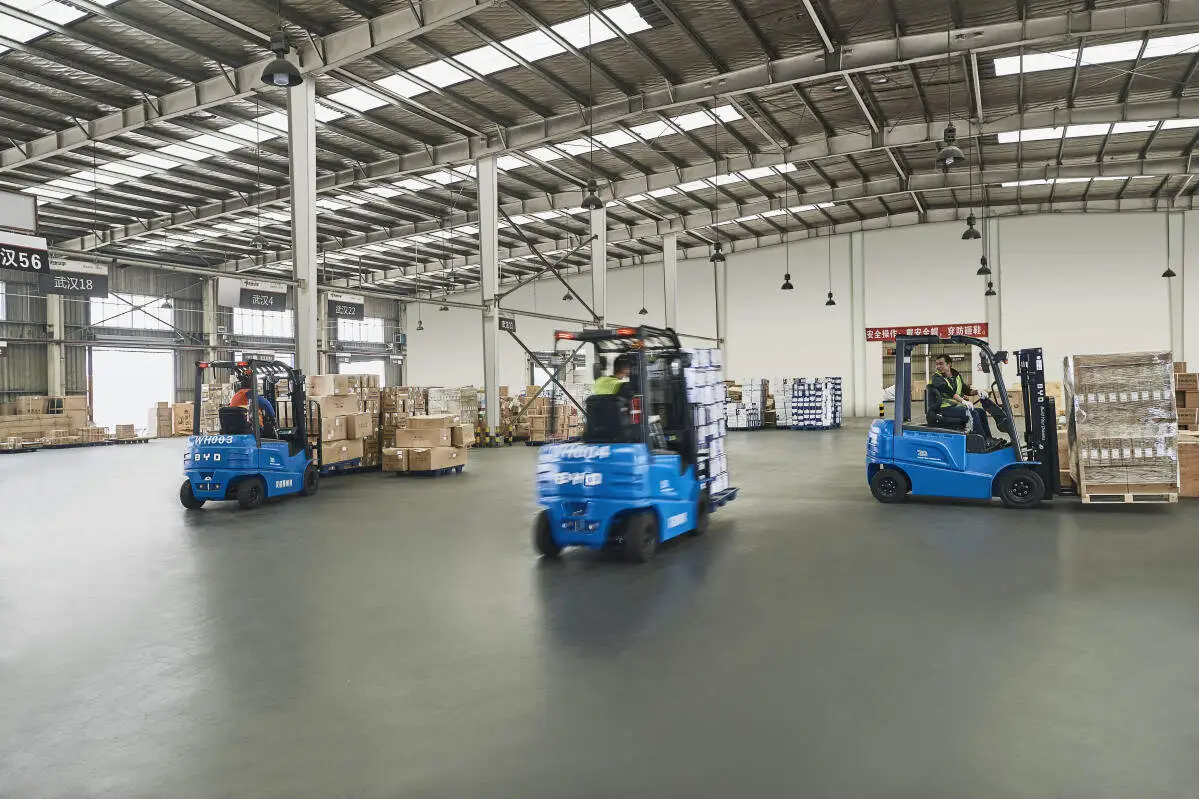
Attending forklift auction events can be a cost-effective way to acquire equipment for your business, but making an informed purchase requires thorough pre-auction checks. Skipping these assessments may lead to unexpected repair costs, safety risks, and operational downtime. Below are the essential checks to perform before bidding on a forklift at an auction.
Start with a comprehensive exterior and body inspection. Examine the forklift’s frame for signs of heavy impacts, cracks, or excessive rust, as these can indicate past accidents or poor maintenance. Inspect the forks for bending, cracks, or uneven wear—damaged forks can compromise load stability and pose safety hazards. Check the tires for tread depth, cuts, or bulges; worn or damaged tires affect maneuverability and increase the risk of blowouts during operation.
Next, focus on mechanical components, which are the backbone of the forklift’s performance. For internal combustion models, start the engine and listen for unusual knocking or grinding noises. Check for leaks in the engine, transmission, and hydraulic systems; fluid leaks often signal underlying issues that could lead to costly repairs. Test the hydraulic lift system by raising and lowering the forks multiple times, ensuring it operates smoothly without delays or jerks. Assess the steering system to confirm it responds promptly and doesn’t feel loose or unresponsive.
For electric forklifts, pay close attention to the electrical system. Verify the battery’s condition by checking its charge level and looking for signs of corrosion on terminals. Ensure all electrical components, including headlights, taillights, horn, and dashboard indicators, function correctly. Inspect wiring harnesses for fraying, cuts, or loose connections, as damaged wiring can cause sudden power failures or electrical fires.
Never overlook safety device inspections, as these are critical for protecting operators and preventing workplace accidents. Check that the seatbelt is intact and retracts properly. Test the reverse alarm, emergency stop button, and fork positioner to confirm they activate as intended. Verify the presence and functionality of overload protection systems, which prevent the forklift from carrying loads beyond its capacity—ignoring this check could lead to tip-overs or structural damage.
Whenever possible, conduct a test drive to evaluate the forklift’s real-world performance. Operate the forklift in a designated area, testing acceleration, braking, and turning capabilities. If allowed, test it with a loaded pallet to assess how it handles under weight, looking for signs of instability or reduced power. Note any unusual vibrations, noises, or handling issues that weren’t apparent during static checks.
Taking the time to complete these checks before participating in a forklift auction can save you from making a costly mistake. By thoroughly evaluating the forklift’s condition, you can bid with confidence, knowing you’re investing in equipment that meets your operational needs and safety standards. Remember, a few minutes of inspection can prevent hours of downtime and thousands of dollars in repairs down the line.