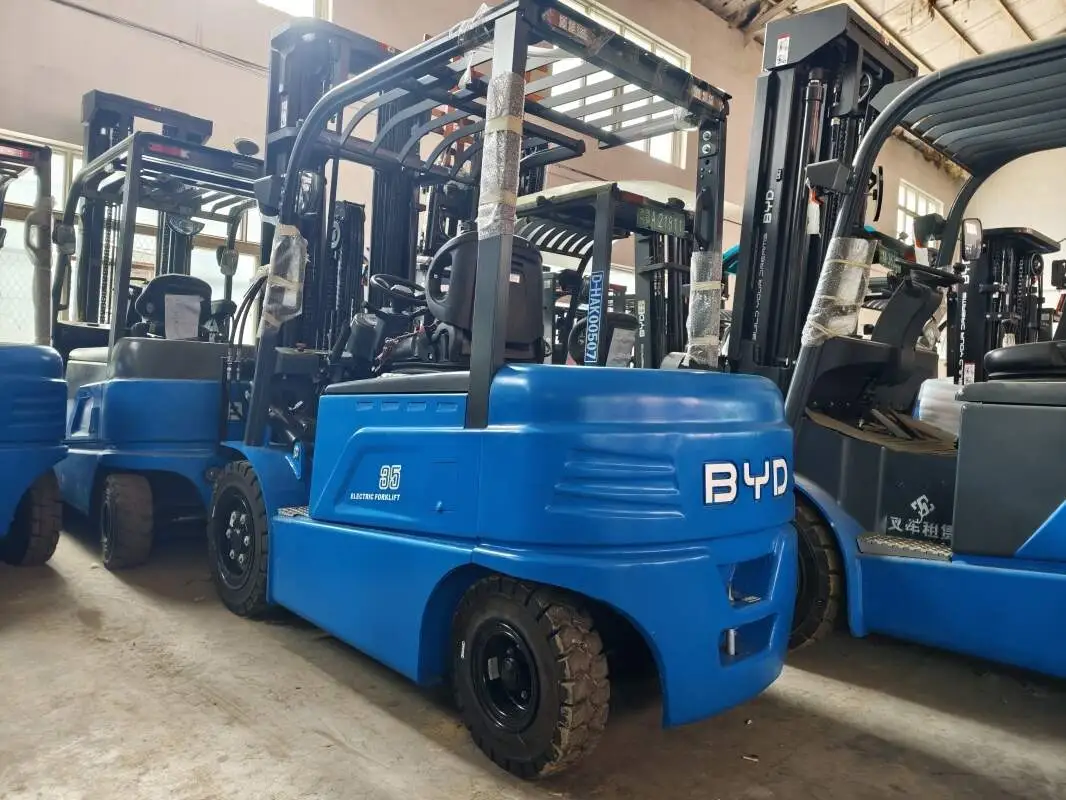
When outfitting a small-scale warehouse, choosing the right 2-ton forklift is critical to balancing operational efficiency, space constraints, and long-term cost-effectiveness. Unlike larger facilities, small warehouses often have narrow aisles, limited storage height, and lighter average load weights, making a 2-ton electric forklift an ideal fit for most daily tasks. To ensure you select a model that aligns with your needs, follow this structured buying checklist.
Start by assessing your warehouse’s unique operational requirements. Measure aisle widths and turning radii to confirm the forklift can navigate tight spaces without disrupting workflow. Consider the types of goods you handle—if you regularly move palletized items, verify that the forklift’s fork dimensions match your standard pallet sizes. Additionally, evaluate daily operation hours: if your warehouse runs multiple shifts, prioritize a model with extended battery life or quick-charging capabilities to minimize downtime.
Next, evaluate core performance parameters that directly impact productivity. While the 2-ton load capacity is a baseline, ensure the forklift can handle your maximum expected load with a small margin of safety to avoid overstraining. Check the maximum lift height to match your warehouse’s shelving systems; a lift height that falls short will limit your storage utilization. Pay attention to battery type: lead-acid batteries are cost-effective upfront but require regular maintenance and longer charging times, while lithium-ion batteries offer faster charging and longer lifespans, making them suitable for high-demand operations.
Safety should never be overlooked, especially in small warehouses where staff and equipment operate in close proximity. Look for essential safety features such as seatbelts, anti-slip flooring in the operator compartment, and bright LED lights for visibility in dimly lit areas. Models with rearview cameras or proximity sensors can reduce the risk of collisions with racks or personnel. Additionally, ensure the forklift has a reliable emergency brake system and load stabilizers to prevent tipping when lifting heavy items at height.
Consider long-term maintenance and operational costs beyond the initial purchase price. Research the availability of replacement parts and the manufacturer’s service network to ensure you can get timely repairs. Ask about warranty coverage for key components like the battery and hydraulic system. Calculate estimated operational costs, including electricity for charging and routine maintenance fees, to avoid unexpected financial burdens down the line.
Finally, test the forklift in your actual warehouse environment before making a final decision. Many suppliers offer on-site demos, allowing you to evaluate how the forklift maneuvers through your aisles, lifts loads to your shelving height, and handles daily tasks. This hands-on test will reveal any compatibility issues that might not be apparent on paper.
By following this checklist, you can select a 2-ton electric forklift that meets your small-scale warehouse’s specific needs, enhancing operational efficiency while ensuring a safe and cost-effective working environment.