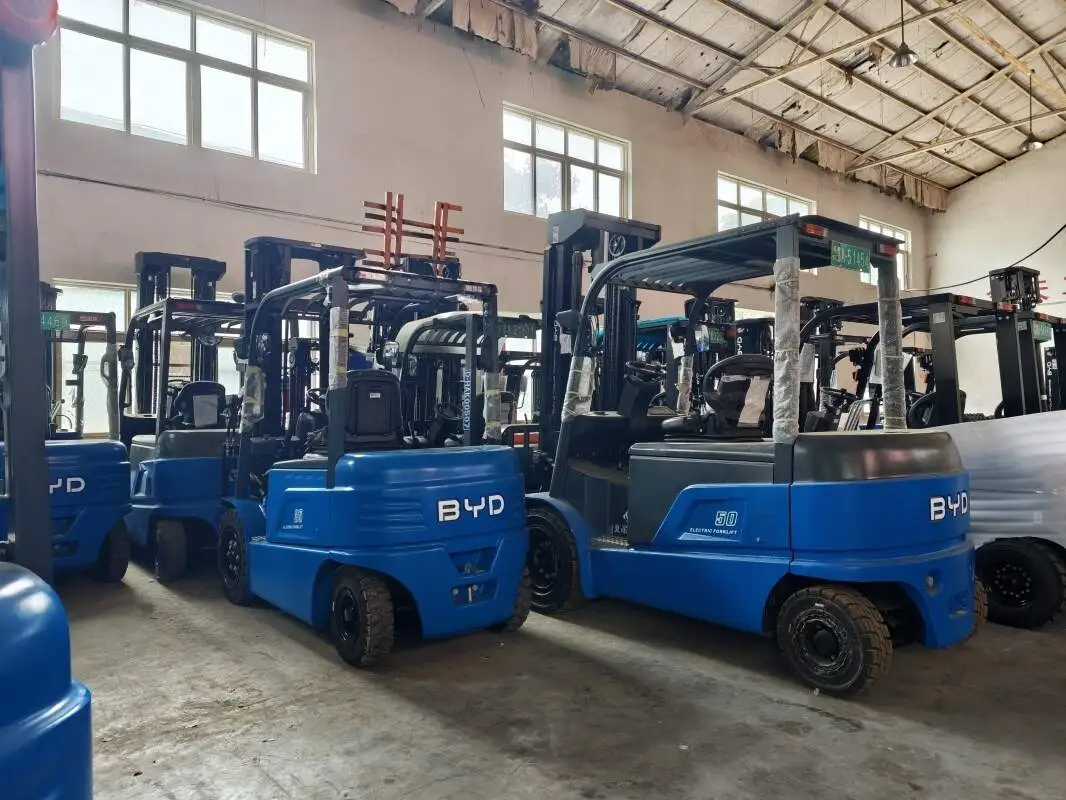
When creating quotation lists for heavy-duty forklifts, it is essential to anchor pricing in objective market reference points to ensure fairness and competitiveness. These points serve as a foundation for both sellers to set reasonable prices and buyers to evaluate quotations effectively.
Raw material costs form the backbone of heavy-duty forklift pricing. The production of these machines relies heavily on high-strength steel for load-bearing structures, advanced battery systems for electric models, and precision hydraulic components. Fluctuations in global steel prices, lithium-ion battery material costs, and hydraulic part supply chains directly impact the overall manufacturing expense. For instance, a sustained rise in steel futures can increase production costs by 5-10%, which is typically reflected in quotation adjustments to maintain reasonable profit margins without overcharging.
Performance and configuration specifications are another critical reference point. Heavy-duty forklifts vary widely in load capacity, ranging from 10 tons to over 50 tons, and lifting heights that can reach up to 12 meters or more. Electric models with longer battery life, fast-charging capabilities, and intelligent features like automatic obstacle avoidance also command higher prices. Each configuration upgrade corresponds to additional R&D and production costs, so quotations must align with these functional enhancements to reflect their actual value.
Market supply and demand dynamics play a significant role in shaping quotation lists. During peak seasons, such as the end-of-year logistics surge, demand for heavy-duty forklifts often outpaces supply, leading to moderate price adjustments. Conversely, in off-peak periods, sellers may offer competitive pricing to maintain sales volume. Regional market differences also matter—areas with high industrial activity and logistics hubs tend to have more stable pricing due to consistent demand, while regions with lower industrial output may see more flexible quotation terms.
Compliance with industry standards and regulatory requirements is an often-overlooked but vital reference point. Heavy-duty forklifts must meet strict safety standards, including load stability tests, operator protection systems, and emission regulations for hybrid models. Adhering to these standards requires additional testing and certification costs, which are incorporated into the final quotation. Failure to account for these compliance costs can lead to underpricing and potential legal risks for sellers.
After-sales service and warranty terms also influence quotation structures. Forklift buyers prioritize reliable after-sales support, including on-site maintenance, spare parts availability, and extended warranty periods. Sellers that offer comprehensive service networks and longer warranties may include these costs in their quotations, ensuring buyers receive ongoing support throughout the machine’s lifecycle. This not only adds value to the quotation but also builds trust between buyers and sellers.
In summary, heavy-duty forklift quotation lists are not arbitrary; they are crafted by integrating multiple market reference points. By considering these factors, both parties can engage in transparent and mutually beneficial pricing discussions that reflect the true value of the equipment.