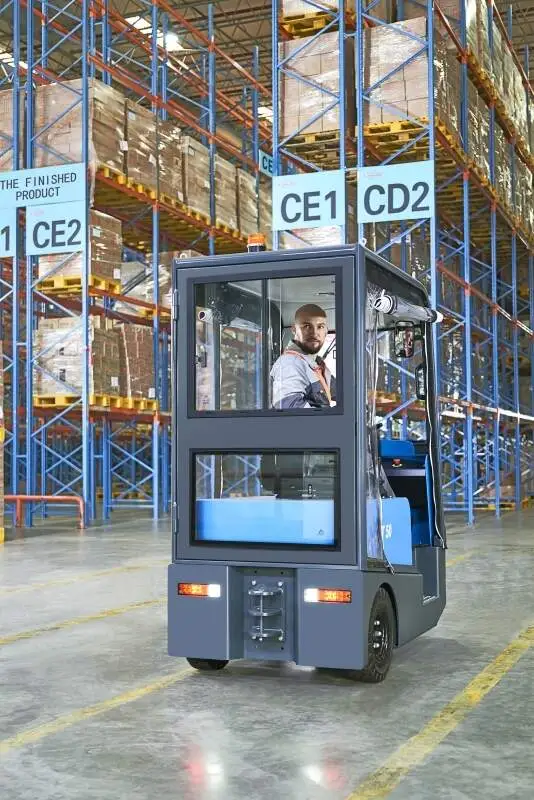
Telehandler forklifts, versatile heavy equipment designed to lift and move loads across varying heights and distances, play a critical role in both construction sites and warehouse operations. Renting these machines instead of purchasing offers flexibility for short-term projects or fluctuating workloads, but making the right rental choice requires careful evaluation of several key factors.
First and foremost, assess the load capacity and vertical/horizontal reach needed for your specific tasks. Construction projects may require lifting heavy building materials like steel beams or concrete blocks to upper floors, while warehouses often handle palletized goods at high storage racks. Ensure the rented telehandler can safely manage the maximum weight you’ll be moving and reach the required heights without straining the equipment. Overloading or insufficient reach can lead to safety hazards and project delays.
Next, consider the terrain and working environment. Construction sites typically feature uneven ground, mud, or gravel, so a telehandler with rugged tires and stable suspension is essential. For indoor warehouse work, opt for models with smooth tires to protect flooring and lower noise levels. Weather conditions should also be taken into account—telehandlers equipped with enclosed cabs can provide comfort and protection for operators in extreme heat or cold.
Rental duration is another important factor. Short-term rentals are ideal for one-off projects or peak seasons, while long-term rentals may offer cost savings for ongoing operations. Discuss flexible terms with the rental provider, such as extending the rental period if the project takes longer than expected or adjusting the equipment model if your needs change mid-project. Clear communication about delivery and pickup schedules ensures the equipment is available when you need it.
Safety should never be overlooked. Verify that the rented telehandler comes with essential safety features, including load indicators, stability controls, and backup cameras. Additionally, ensure your operators have proper training to operate the equipment safely. Some rental providers offer training services, which can be a valuable addition to your rental package to reduce the risk of accidents.
Before finalizing the rental agreement, inquire about maintenance and support services. Reliable rental providers will perform regular inspections and maintenance to keep the telehandler in optimal condition. Ask about their response time for repairs in case of equipment breakdowns—minimizing downtime is crucial for keeping your project on track. Understanding who is responsible for maintenance costs during the rental period can also prevent unexpected expenses.
Finally, evaluate the overall cost of the rental. Compare quotes from different providers, but don’t base your decision solely on price. Consider the included services, such as delivery, maintenance, and training, as well as the condition of the equipment. A slightly higher-priced rental that includes comprehensive support may be more cost-effective in the long run than a cheaper option with hidden fees or unreliable equipment.
By carefully considering these factors—load capacity, terrain adaptability, rental duration, safety features, maintenance support, and cost—you can select the right telehandler forklift rental for your construction or warehouse needs. Taking the time to make an informed choice ensures efficient operations, enhanced safety, and successful project outcomes.