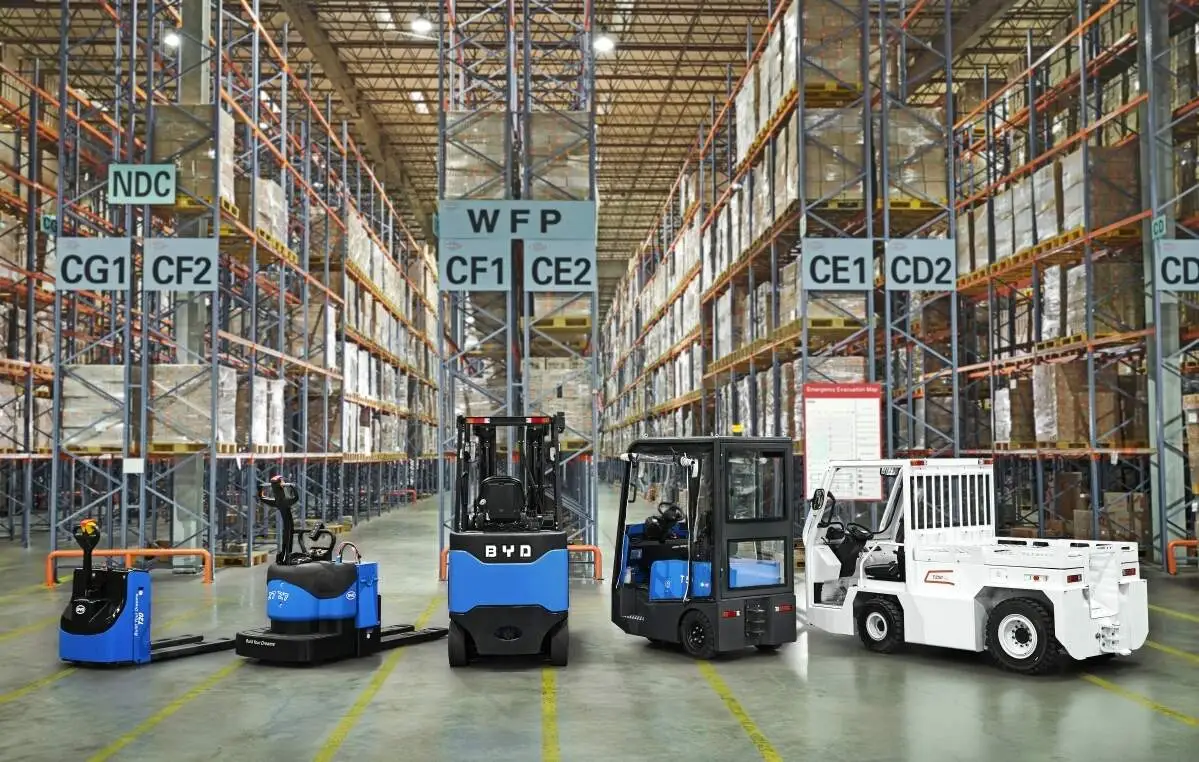
Long forklift forks are critical attachments for electric forklifts, enabling operators to handle longer loads such as timber, pipe sections, or large pallets efficiently. Whether you’re upgrading existing forks or purchasing new ones for your electric forklift, making the right choice requires careful evaluation of several key factors to ensure safety, performance, and cost-effectiveness.
Match Load Capacity to Operational Needs
The primary consideration when selecting long forklift forks is their load-bearing capacity. Long forks have different weight distribution compared to standard-length forks, so you must ensure the forks can safely support the maximum weight of the loads you typically handle. Refer to your electric forklift’s specifications to avoid exceeding its rated lifting capacity, as overloading long forks can lead to structural failure or unstable handling, posing safety risks to operators and damaging goods. Calculate the combined weight of your heaviest long load and confirm the forks’ capacity aligns with this figure, accounting for any dynamic forces during lifting and transportation.
Prioritize Material Durability and Construction
The material and build quality of long forklift forks directly impact their lifespan and performance. Look for forks made from high-strength steel alloys, which offer excellent resistance to bending, impact, and wear—critical for handling heavy, long loads regularly. Pay attention to the manufacturing process; forks with uniform heat treatment are more likely to maintain structural integrity under stress. Inspect the fork surface for signs of cracks, deformations, or uneven wear if considering used options, as these can compromise safety. Additionally, consider forks with protective coatings to reduce corrosion, especially if operating in humid or outdoor environments.
Align Fork Length with Application Scenarios
Long forklift forks come in various length options, and selecting the right length depends on your specific application. For warehouses handling oversized pallets or long inventory items, longer forks provide better stability and coverage. However, excessively long forks can reduce maneuverability in tight spaces, such as narrow aisles or crowded storage areas. Evaluate your workspace dimensions and typical load sizes to strike a balance between reach and maneuverability. If your operations involve both standard and long loads, consider adjustable-length forks or dedicated sets for different tasks to optimize efficiency.
Ensure Compliance with Safety Standards
Safety should always be a top priority when purchasing long forklift forks. Verify that the forks meet relevant industry safety standards, which set guidelines for design, material quality, and load testing. These standards help ensure forks can withstand operational stresses without failing. Additionally, check that the forks are designed to work with your electric forklift’s attachment system to prevent accidental detachment during use. Properly installed forks should fit securely and align correctly with the forklift’s carriage. Regular maintenance, including inspections for wear and tear, is essential to maintain compliance and safety over time.
Verify Compatibility with Your Electric Forklift
Not all long forklift forks are compatible with every electric forklift model. Before purchasing, confirm the fork’s mounting dimensions match your forklift’s carriage, including hook size, pin diameter, and spacing. Mismatched forks can lead to unstable attachment, increasing accident risks. Some forklifts may require additional adapters to accommodate longer forks, so factor these into your purchase decision if needed. Consult your forklift’s user manual or a qualified technician to ensure the forks you select are a proper fit for your specific model.
By taking these factors into account—load capacity, material durability, application suitability, safety compliance, and compatibility—you can select long forklift forks that enhance your electric forklift’s performance, improve operational efficiency, and maintain a safe working environment. Investing in high-quality, well-matched long forks will not only reduce the risk of equipment damage and accidents but also provide long-term value for your operations.