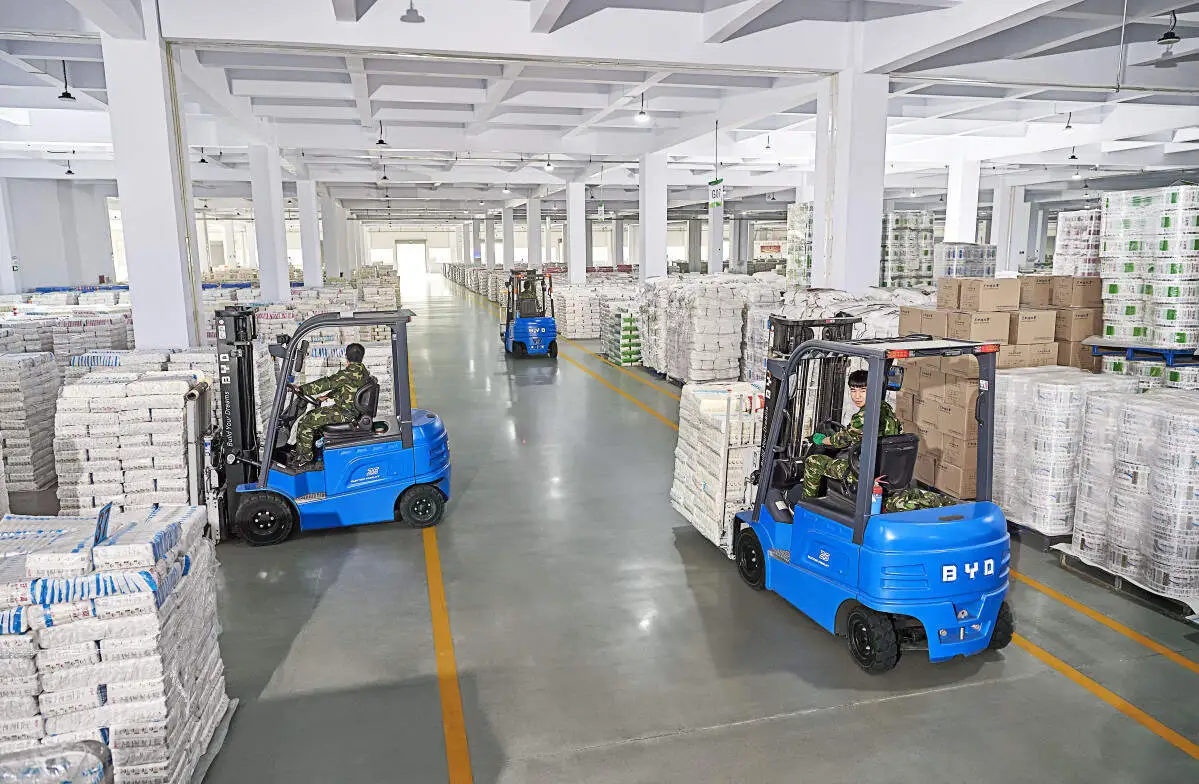
Professional forklift service is a critical investment to ensure the longevity, reliability, and safety of your electric forklift. Unlike basic DIY checks, professional service includes a comprehensive breakdown of targeted items designed to address both visible and hidden issues before they escalate into costly repairs or safety hazards. Below is a detailed look at the key service items included in a standard professional forklift service package.
Preventive maintenance forms the foundation of professional forklift service. This segment includes routine checks and replacements to keep the forklift running smoothly. Technicians will inspect and top up or replace essential fluids such as hydraulic oil and coolant, ensuring optimal performance of hydraulic systems and preventing overheating. For electric forklifts, this also involves thorough battery maintenance: checking terminal connections for corrosion, testing battery voltage and capacity, and cleaning battery components to extend its lifespan. Additionally, air filters and oil filters are inspected and replaced as needed to prevent contaminants from entering the engine or electrical systems, which can cause premature wear.
Safety inspections are a core component of professional forklift service, prioritizing workplace safety and compliance. Technicians will examine critical safety components such as brake systems, ensuring pads are in good condition and brakes respond effectively to avoid sudden stops or loss of control. They will also check lighting systems—including headlights, taillights, and turn signals—to ensure visibility in low-light or enclosed environments. Other safety checks include inspecting seat belts for wear and proper functionality, testing horn functionality, and verifying the condition of stability features like mast locks and load backrests. Any identified defects are addressed promptly to mitigate accident risks.
Component servicing and replacement targets parts prone to regular wear from daily operations. Technicians assess the hydraulic system for leaks or damaged hoses, repairing or replacing components to maintain consistent lifting and lowering capabilities. Tire condition is evaluated closely; worn or punctured tires are replaced to preserve traction and stability, especially on uneven warehouse floors. The steering system is inspected for loose parts or excessive play, with adjustments or repairs made to ensure precise control. For electric forklifts, the motor and wiring are checked for signs of damage or overheating, ensuring electrical components operate safely and efficiently.
Performance calibration ensures the forklift operates at peak efficiency. Technicians calibrate the lift mast to ensure it rises and lowers at the manufacturer-recommended speed, adjusting hydraulic settings as needed. They also test and calibrate the weight capacity indicator to prevent overloading, which can lead to structural damage or tipping incidents. Steering sensitivity is adjusted to provide smooth, responsive control, enhancing operator comfort and reducing the risk of accidental collisions with racks or inventory.
After completing all service items, technicians conduct a final operational test to verify that all systems function correctly. This includes test drives to assess handling, braking, and lifting performance under normal operating conditions. A detailed service report is then provided to the client, outlining all work performed, components replaced, and recommendations for future maintenance. This documentation helps track the forklift’s service history and supports compliance with workplace safety regulations.
Investing in professional forklift service with a comprehensive item breakdown ensures your electric forklift remains a reliable, safe asset for your operations. By addressing routine maintenance, safety, component health, and performance, professional technicians help minimize downtime and extend the lifespan of your equipment, delivering long-term value for your business.