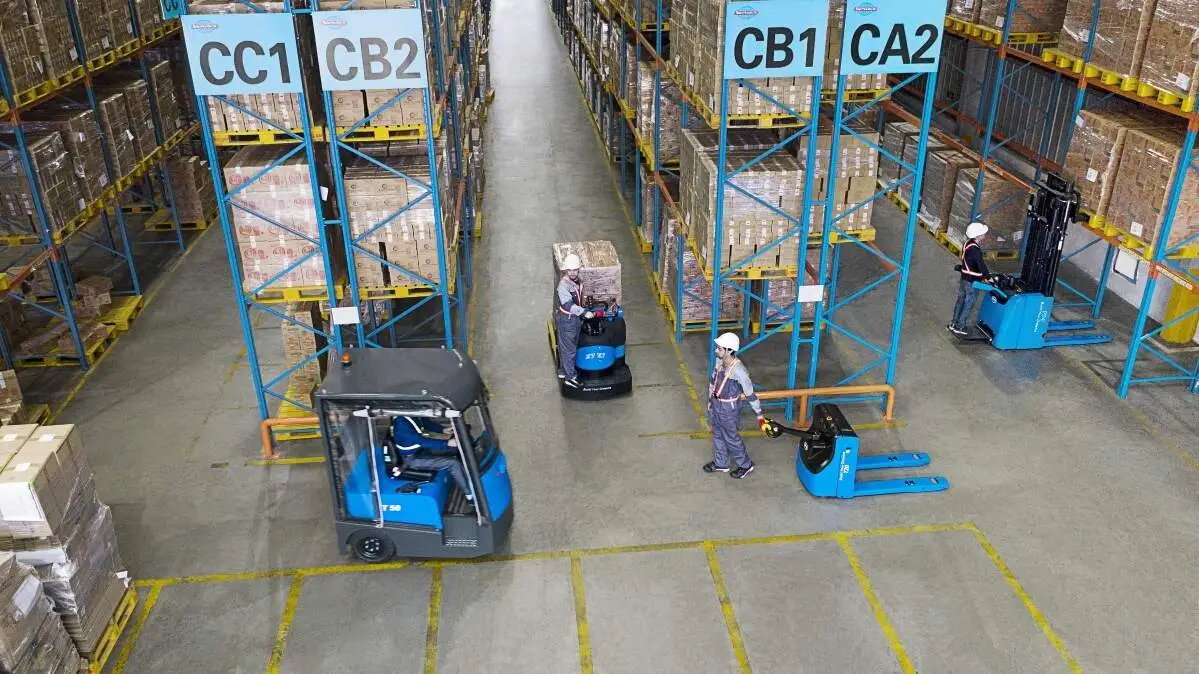
Cherry-picker-style forklifts are versatile pieces of equipment tailored for a wide range of elevated work tasks, from retrieving inventory in high-rise warehouse racks to performing maintenance on outdoor construction sites or utility poles. Investing in the right unit requires careful consideration of several key factors to ensure it aligns with your operational needs, safety standards, and long-term budget. Below are essential buying tips to guide your decision-making process and help you select the optimal equipment for your high-access requirements.
Safety should be the top priority when selecting cherry-picker-style forklift equipment for elevated work. Look for models equipped with robust fall protection systems, such as secure, non-slip guardrails on the elevated platform and automatic locking mechanisms that engage firmly when the lift reaches a specified height. Additionally, check for easily accessible emergency stop buttons positioned both on the operator’s platform and the ground control station, allowing for immediate shutdown in case of unexpected issues. It’s also crucial to verify that the equipment meets all relevant industry safety regulations and standards, as compliance helps mitigate risks associated with high-access operations and ensures the well-being of your team.
Next, evaluate the load capacity and maximum working height to match your specific tasks. Different projects require varying levels of lifting power and reach—for example, a warehouse needing to access high storage racks may prioritize a lower load capacity but greater vertical reach, while a construction site might need a unit that can handle heavier materials at moderate heights. Be sure to account for not just the weight of the materials being lifted, but also the weight of any operators or tools on the platform to avoid overloading the equipment, which can lead to instability or mechanical failure that poses safety hazards.
Maneuverability is another critical factor, especially if you’ll be operating the forklift in tight spaces like narrow warehouse aisles or crowded construction zones. Look for models with compact turning radii and responsive steering systems that allow for precise navigation. For outdoor use, consider units with rugged, durable tires designed to handle uneven terrain, such as gravel, grass, or muddy job sites. Some models also offer adjustable outriggers that can be extended to enhance stability on uneven surfaces, which is essential for safe elevated work in outdoor environments where ground conditions may be unpredictable.
Don’t overlook the long-term maintenance requirements and operational costs. Opt for equipment with easily accessible components to simplify routine inspections and repairs, as this can reduce downtime and maintenance expenses over time. Additionally, consider the fuel source—electric models are quieter, produce zero emissions, and require less maintenance, making them ideal for indoor use, while diesel or gas-powered models offer greater power and range for heavy-duty outdoor tasks. Compare the upfront cost with the expected lifespan and operational efficiency to ensure you’re getting a cost-effective solution that fits your budget without compromising on performance.
Finally, assess the ease of operation for your team. Look for intuitive control panels on both the platform and ground station, with clear labeling and simple, responsive controls that minimize the learning curve for new operators. Some models offer ergonomic seating for ground-based operators and adjustable platform heights to enhance comfort during long shifts. It’s also beneficial to choose a unit that comes with comprehensive training materials or access to operator training programs, as proper training is key to safe and efficient use of the equipment, reducing the risk of accidents and improving overall productivity.
By taking these factors into account, you can select a cherry-picker-style forklift that meets your immediate elevated work needs and delivers reliable performance, safety, and long-term value.