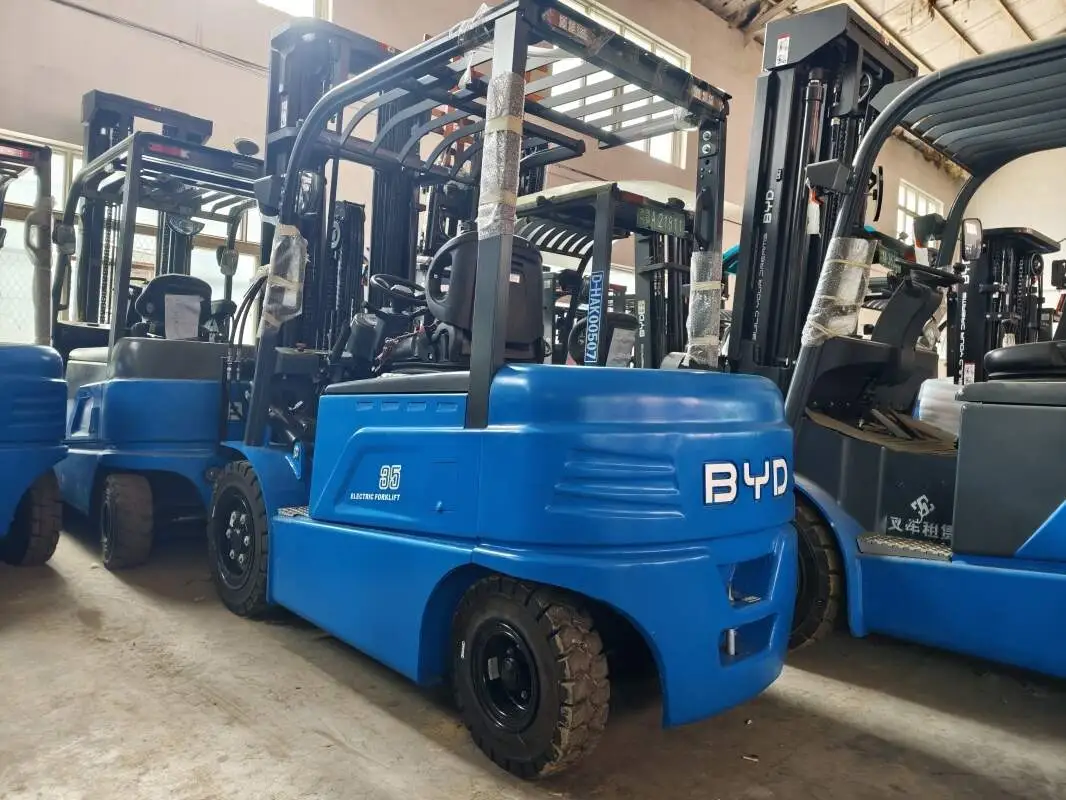
Heavy-duty piggyback forklift trucks are specialized material handling solutions designed to tackle demanding load transport and lifting tasks across various industries. Unlike traditional forklifts, these units are engineered to mount directly onto the back of trucks or trailers, offering unique mobility and operational flexibility that addresses specific logistical challenges.
First, exceptional load capacity stands as a defining core feature. Built with reinforced frames and robust lifting mechanisms, these forklifts can handle heavy loads ranging from several tons to over 10 tons, making them suitable for moving bulky, heavy-duty cargo such as steel beams, industrial machinery components, and large palletized goods.
Second, unmatched portability is a key advantage. By piggybacking on trucks, these forklifts eliminate the need for separate transport vehicles, allowing operators to move the forklift alongside cargo to remote or job site locations where traditional forklifts cannot easily access. This integration reduces transit time and operational costs significantly.
Third, enhanced maneuverability in confined spaces sets them apart. Equipped with compact designs and responsive steering systems, heavy-duty piggyback forklifts can navigate narrow warehouse aisles, construction site pathways, and crowded terminal yards with ease. Their ability to make tight turns and operate in limited areas ensures efficient material handling even in constrained environments.
Fourth, rugged construction for harsh environments is essential. Constructed with durable materials like high-grade steel and corrosion-resistant components, these forklifts are built to withstand extreme weather conditions, rough terrain, and continuous heavy usage. Features like sealed electrical systems and reinforced tires further enhance their longevity and reliability in challenging work settings.
Fifth, versatile attachment compatibility expands their functionality. They can be fitted with a range of attachments, including fork extensions, clamps, and lifting hooks, allowing operators to handle different types of cargo beyond standard pallets. This adaptability makes them a multi-purpose tool for diverse material handling needs.
In logistics and warehousing, heavy-duty piggyback forklifts streamline the loading and unloading of heavy cargo at distribution centers and cross-docking facilities. Their portability enables quick deployment to different loading bays, reducing wait times and improving overall operational efficiency.
On construction sites, these forklifts play a critical role in transporting building materials like concrete blocks, steel structures, and prefabricated components across uneven terrain. They can move directly from delivery trucks to specific work zones, eliminating the need for intermediate handling equipment and speeding up project timelines.
Port and terminal operations benefit greatly from these forklifts as well. They efficiently handle heavy containers, bulk cargo, and oversized freight, operating seamlessly in busy terminal areas where space is limited and time is a critical factor. Their ability to travel alongside truck trailers ensures smooth transfer of goods between ships, trucks, and storage facilities.
In heavy manufacturing plants, they assist in moving large machinery parts and finished products within production facilities. Their maneuverability allows them to navigate around production lines and equipment, supporting efficient workflow and reducing manual labor requirements.
Overall, heavy-duty piggyback forklift trucks combine strength, mobility, and versatility to meet the most demanding material handling needs across multiple industries. Their core features make them a reliable solution for businesses looking to enhance efficiency, reduce costs, and tackle heavy load tasks with ease.