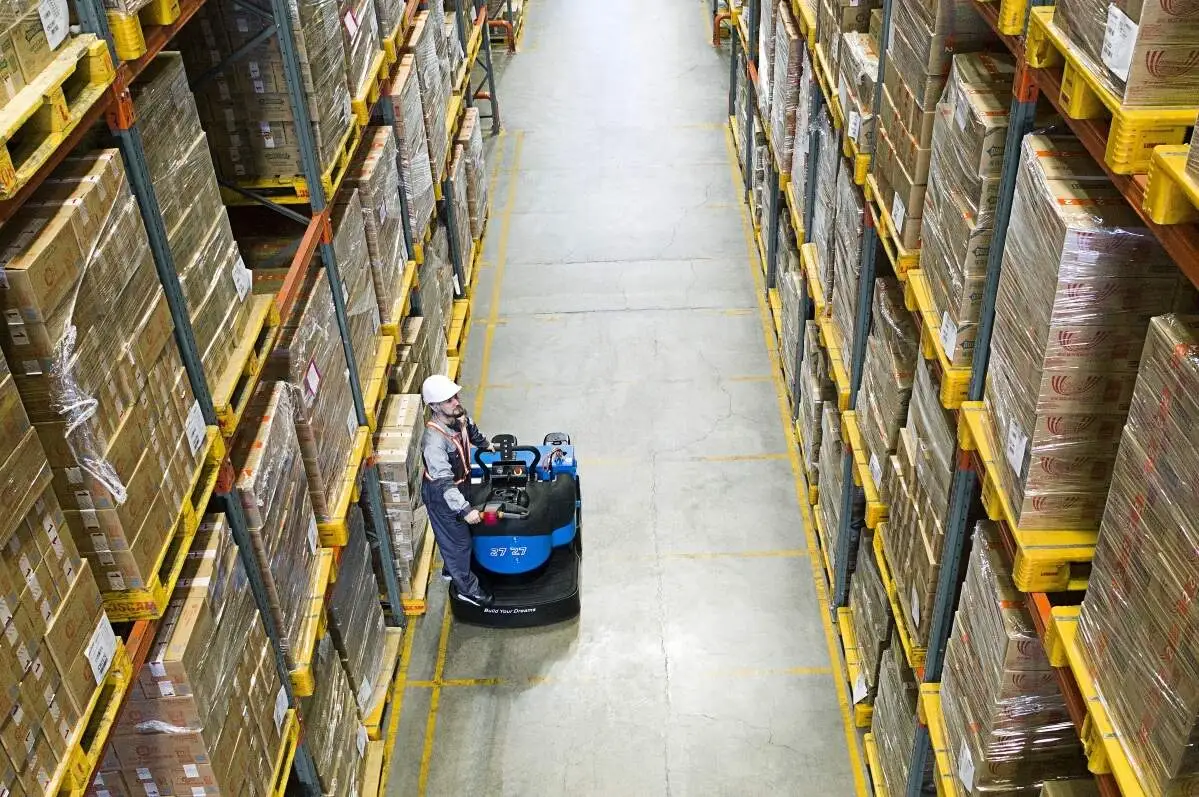
Long forklift forks are essential for handling oversized or heavy loads in warehouses, distribution centers, and industrial environments. Adhering to strict compliance specifications for these forks is critical to protect personnel, prevent equipment damage, and meet regulatory obligations. Below is a structured breakdown of core compliance requirements for commercially available long forklift forks.
First, design and manufacturing must align with established industry standards. These standards define load capacity calculations, maximum deflection limits under rated loads, and structural design features to minimize stress concentrations. For example, forks must be engineered to distribute load evenly across their length, eliminating weak points that could lead to operational failure. Manufacturers must follow regional or international safety regulations for lifting equipment, which outline specific design criteria to ensure long-term structural integrity.
Material selection and fabrication processes are also key compliance factors. Long forklift forks should be constructed from high-strength, ductile materials such as alloy steel, which provides the durability needed to withstand repeated heavy load cycles. Fabrication methods, including welding and heat treatment, must adhere to recognized guidelines to avoid defects like cracks, porosity, or inconsistent material hardness. Welded joints, in particular, must be thoroughly inspected to ensure they meet strength requirements and do not compromise the fork’s overall structure.
Comprehensive inspection and testing protocols are mandatory to verify compliance. Before commercial release, forks must undergo load testing to confirm they can safely handle their rated capacity without excessive deformation. Non-destructive testing methods, such as magnetic particle inspection, may be used to detect hidden cracks or material flaws that could lead to unexpected failure. Additionally, regular in-service inspections are required; operators should check for signs of wear, bending, or cracking before each use, while certified inspectors must conduct periodic detailed assessments to ensure ongoing compliance.
Operational practices must also follow safety guidelines to maintain compliance. Users must never exceed the fork’s rated load capacity, and should avoid lifting unbalanced loads that could cause the forks to bend or break. Regular maintenance, including lubrication of pivot points and replacement of worn components, helps preserve the fork’s structural integrity and extend its lifespan. Operators should receive proper training on safe fork usage and compliance requirements to minimize the risk of accidents or non-compliance.
Documentation and record-keeping are integral to sustaining compliance. Manufacturers must provide customers with compliance certificates, test reports, and technical specifications that demonstrate adherence to relevant standards. Users should maintain detailed records of inspections, maintenance, and any modifications made to the forks. These records serve as proof of compliance during regulatory audits and help track the fork’s condition over time, supporting proactive maintenance and safety measures.
By following these compliance specifications, businesses can ensure the safe and legal use of commercially available long forklift forks. Prioritizing compliance not only reduces the risk of workplace accidents but also avoids potential fines and penalties associated with non-compliance, supporting a secure and efficient operational environment.