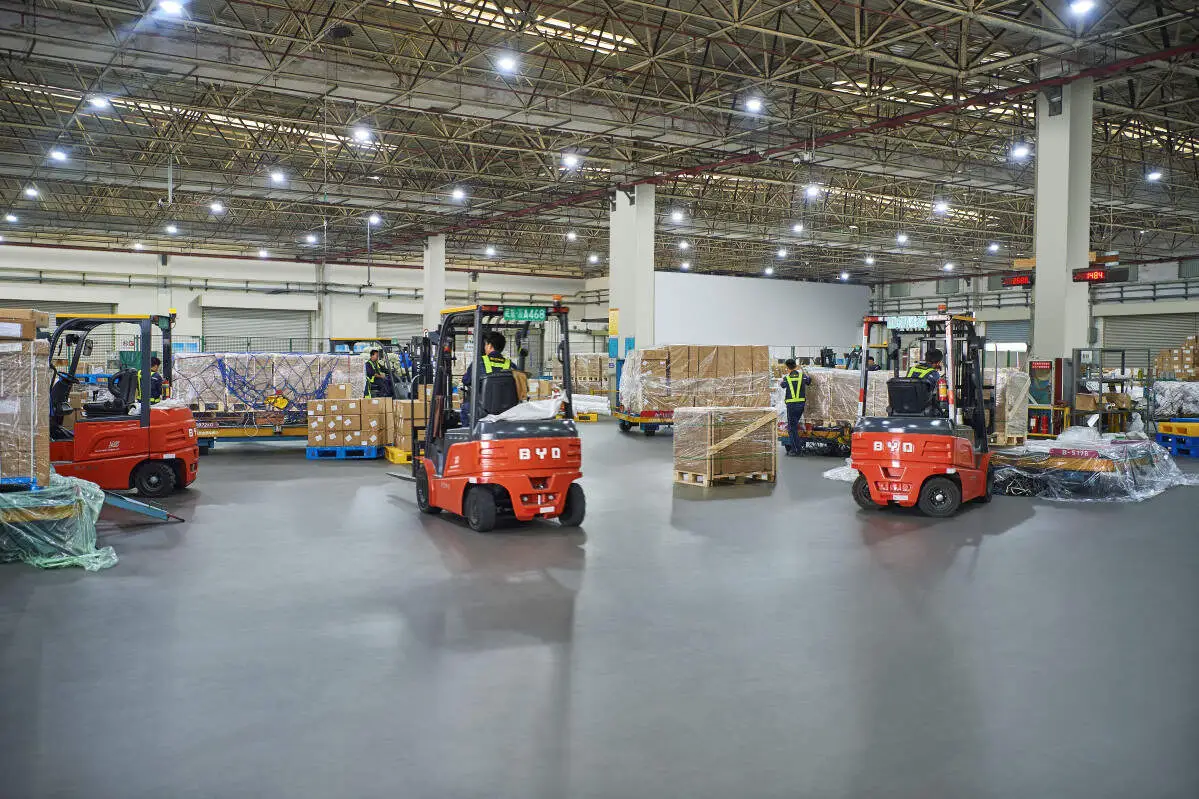
Determining the right forklift service frequency is critical to maintaining operational safety, extending equipment lifespan, and minimizing unexpected downtime. Unlike a one-size-fits-all approach, service schedules should be tailored directly to your forklift’s usage intensity, as heavier or more frequent use accelerates wear on key components like batteries, hydraulic systems, and tires.
For low-intensity usage scenarios—typically defined as forklifts operated 1-2 times per week for light-duty tasks such as moving small loads in indoor warehouses—less frequent but consistent service is sufficient. A monthly visual inspection should cover basic checks: battery fluid levels, tire pressure, brake responsiveness, and loose bolts. Every three months, a comprehensive service should be conducted to test hydraulic system functionality, lubricate moving parts, and calibrate controls. This schedule ensures minor issues are caught before they escalate without unnecessary maintenance costs.
Medium-intensity usage, where forklifts run 3-5 days a week for 4-6 hours daily handling moderate loads, requires a more proactive schedule. Bi-weekly inspections focus on high-wear areas: battery charging performance, hydraulic fluid leaks, and tire tread depth. A full preventive service should be performed monthly, including filter replacements, electrical system testing, and brake pad assessments. Quarterly, technicians should conduct a deep dive into transmission components and battery health to ensure long-term reliability. This balance between regular checks and thorough servicing addresses the steady wear from consistent operation.
High-intensity usage involves forklifts operating 6-7 days a week for 8+ hours daily, often handling heavy loads in demanding environments like construction sites or busy distribution centers. In these cases, weekly inspections are non-negotiable to monitor critical systems: battery temperature during charging, hydraulic pressure, and steering alignment. Twice-monthly preventive services include replacing worn filters, topping off fluids, and adjusting brake systems. Every quarter, a comprehensive overhaul is necessary to inspect motor components, replace worn tires, and perform a full diagnostic scan of electrical systems. This frequent servicing mitigates the rapid wear caused by constant heavy use, reducing the risk of breakdowns during peak operations.
Beyond usage intensity, environmental factors can impact service needs. Forklifts operating in dusty or outdoor environments may require more frequent filter changes and cleaning of electrical components. It’s also essential to keep detailed service records, tracking inspections, repairs, and part replacements to identify patterns in wear and adjust schedules accordingly. Always follow general maintenance guidelines provided by equipment designers, as they account for design-specific wear points.
By aligning your forklift service frequency with its usage intensity, you can optimize equipment performance, reduce long-term repair costs, and ensure a safe working environment. Taking a customized approach rather than relying on generic schedules ensures that your forklift receives the care it needs when it needs it, keeping operations running smoothly.