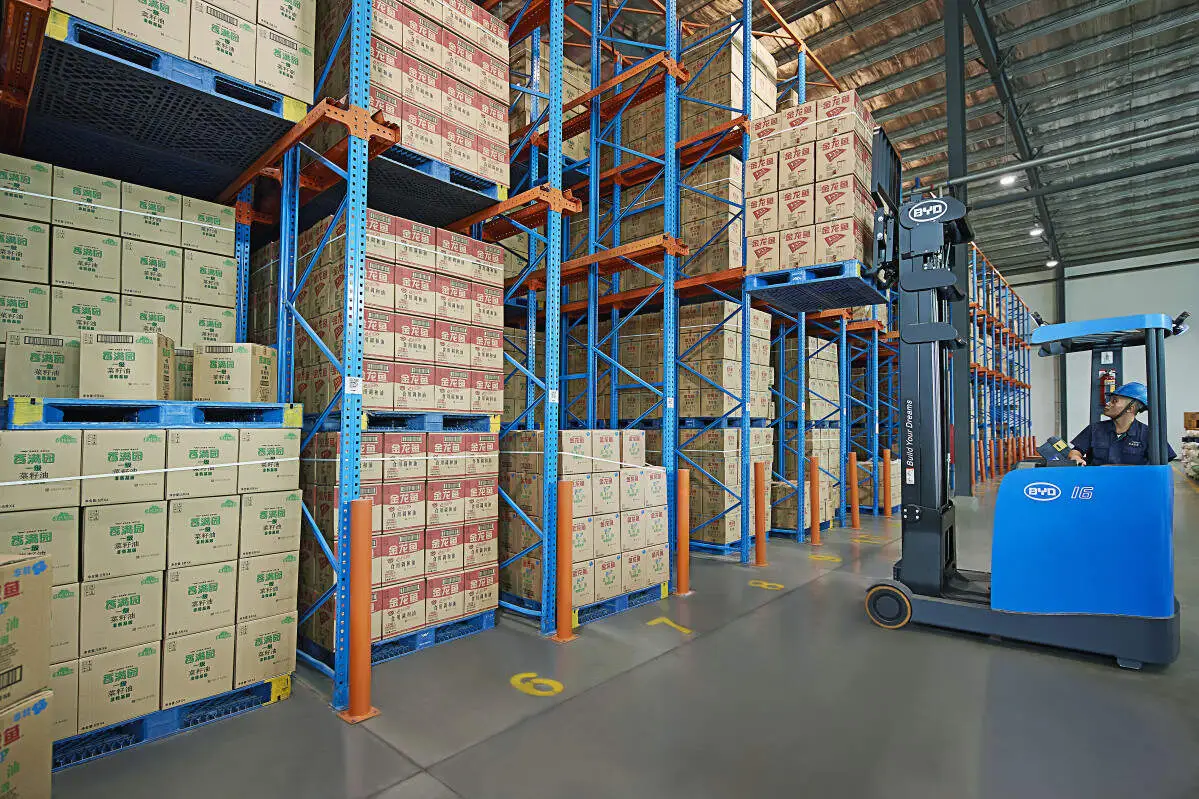
Small forklifts are indispensable tools in warehouses, distribution centers, and small-scale industrial settings, offering agile material handling solutions. When investing in a new small forklift, understanding how configuration choices shape price ranges is critical for making a cost-effective decision that aligns with operational needs. Unlike one-size-fits-all pricing, configuration-driven models allow buyers to tailor equipment to specific tasks, with costs adjusting accordingly based on selected features and components.
At the core of configuration-driven pricing are fundamental components that directly impact both performance and cost. For instance, the type of power source is a primary factor. Electric small forklifts, favored for indoor use due to zero emissions and low noise, have a higher upfront cost compared to internal combustion alternatives, though long-term operational savings may offset this. Within electric models, battery capacity plays a key role; larger batteries extending runtime will increase the price, while smaller batteries are more budget-friendly for short-shift operations. Load capacity is another critical variable: small forklifts with higher weight limits, ranging from 1,000 to 3,000 pounds, require reinforced frames and stronger lifting mechanisms, leading to a higher price point than models designed for lighter loads.
Customization options further expand price ranges, allowing buyers to add features that enhance functionality for specific workflows. Attachments like side shifters, fork positioners, or clamp attachments can streamline material handling tasks but will add to the overall cost. Ergonomic features, such as adjustable seats, intuitive control panels, and enhanced visibility systems, improve operator comfort and productivity, contributing to a higher price tag. Additionally, specialized navigation or safety features, like obstacle detection systems or backup cameras, are optional upgrades catering to high-safety environments, increasing the equipment's cost based on their complexity.
Budget considerations for configuration-driven small forklifts extend beyond the upfront purchase price. Buyers should evaluate long-term costs, including maintenance, battery replacement (for electric models), and energy consumption, when selecting a configuration. For example, a higher-priced electric forklift with a durable battery may lower annual maintenance costs compared to a cheaper internal combustion model requiring frequent fuel and engine servicing. It’s also important to assess operational needs carefully: over-configuring a forklift with unnecessary features can lead to wasted spending, while under-configuring may result in equipment that fails to meet productivity demands.
By understanding how each configuration choice influences price ranges, buyers can make informed decisions that balance functionality, performance, and budget. Whether prioritizing cost-effectiveness for basic tasks or investing in specialized features for complex operations, configuration-driven pricing ensures that new small forklift equipment is tailored to unique operational requirements, delivering optimal value over the equipment’s lifespan.