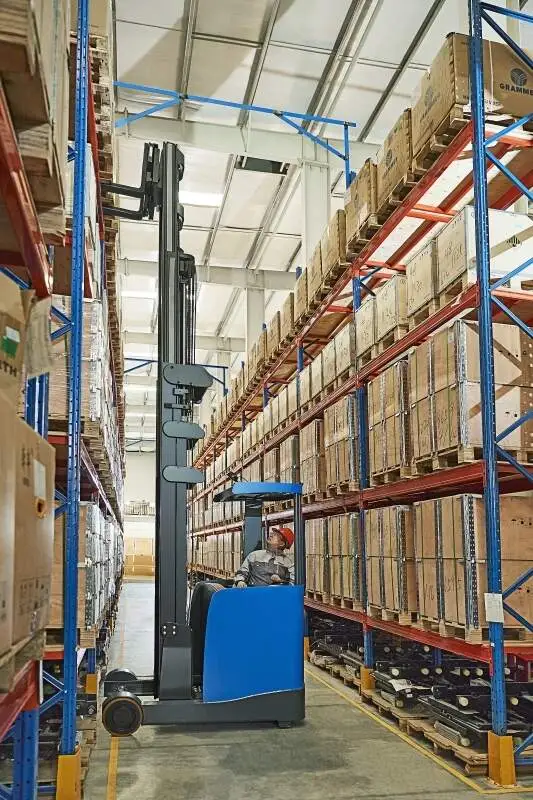
Monthly forklift rentals offer businesses a flexible solution for short-term material handling needs, eliminating the upfront costs of purchasing equipment. However, overlooking critical contract clauses can lead to unexpected expenses, liability disputes, and operational disruptions. Taking time to review these key terms before signing can protect your business’s bottom line and ensure a smooth rental experience.
One of the first clauses to prioritize is maintenance and repair responsibilities. Many rental agreements outline who is accountable for routine upkeep, such as oil changes and filter replacements, versus unexpected repairs from mechanical failures. If the contract shifts all repair costs to your business without clear thresholds, you could face hefty bills for issues stemming from pre-existing equipment wear. Look for language that specifies the rental provider’s obligation to handle manufacturer defects or normal wear-and-tear, and clarify how emergency repairs will be coordinated and billed.
Liability and insurance coverage are equally crucial. Forklift operations carry inherent risks, from workplace accidents to damage to third-party property. Review the contract to confirm what insurance the rental provider carries—typically general liability and equipment insurance—and whether you need to supplement this with your own coverage. Pay attention to indemnification clauses that could hold your business responsible for injuries or damages caused by operator error, and ensure you have the proper training protocols in place to minimize this risk.
Payment terms often hide unexpected costs that can strain your budget. Scrutinize the monthly rental rate to see if it includes fuel, routine maintenance, or delivery fees. Some agreements may add surcharges for extended usage hours, weekend operation, or equipment modifications. Additionally, clarify late payment penalties and the process for resolving billing discrepancies. Understanding these details prevents surprises when invoices arrive and helps you budget accurately for the rental period.
Termination and renewal conditions should also be carefully evaluated. Many contracts include automatic renewal clauses that extend the rental term unless you provide written notice within a specific window—often 30 to 60 days before the end of the current term. Failing to meet this deadline could lock you into an unwanted extension. Additionally, review the costs associated with early termination, such as penalty fees or requirements to pay the remaining rental balance. Negotiate flexible termination terms if your business needs the option to end the rental early due to changing operational demands.
Finally, pay close attention to equipment condition and return standards. Before signing, conduct a thorough inspection of the forklift and document any existing damage in the contract. This prevents disputes when returning the equipment, as rental providers may charge excessive fees for pre-existing scratches or mechanical issues. Clarify the acceptable level of wear and tear upon return, and ask about any cleaning or maintenance requirements that must be met to avoid additional charges.
By reviewing these critical contract terms, you can enter a monthly forklift rental agreement with confidence, knowing your business is protected from unnecessary risks and expenses. When in doubt, consult a legal professional to interpret complex clauses and ensure the agreement aligns with your operational needs and financial capabilities.